Digital Editions
Newsletters
Subscribe
Digital Editions
Newsletters
Art market
Museums & heritage
Exhibitions
Books
Podcasts
Columns
Art of Luxury
Adventures with Van Gogh
Venice Biennale
Art market
Museums & heritage
Exhibitions
Books
Podcasts
Columns
Art of Luxury
Adventures with Van Gogh
Venice Biennale
Museums
news

German parliament approves institute for photographic legacy based in Dusseldorf

Government says institute is necessary to address “considerable backlog in securing the visual memory of our society”

Catherine Hickley
19 November 2019
Share
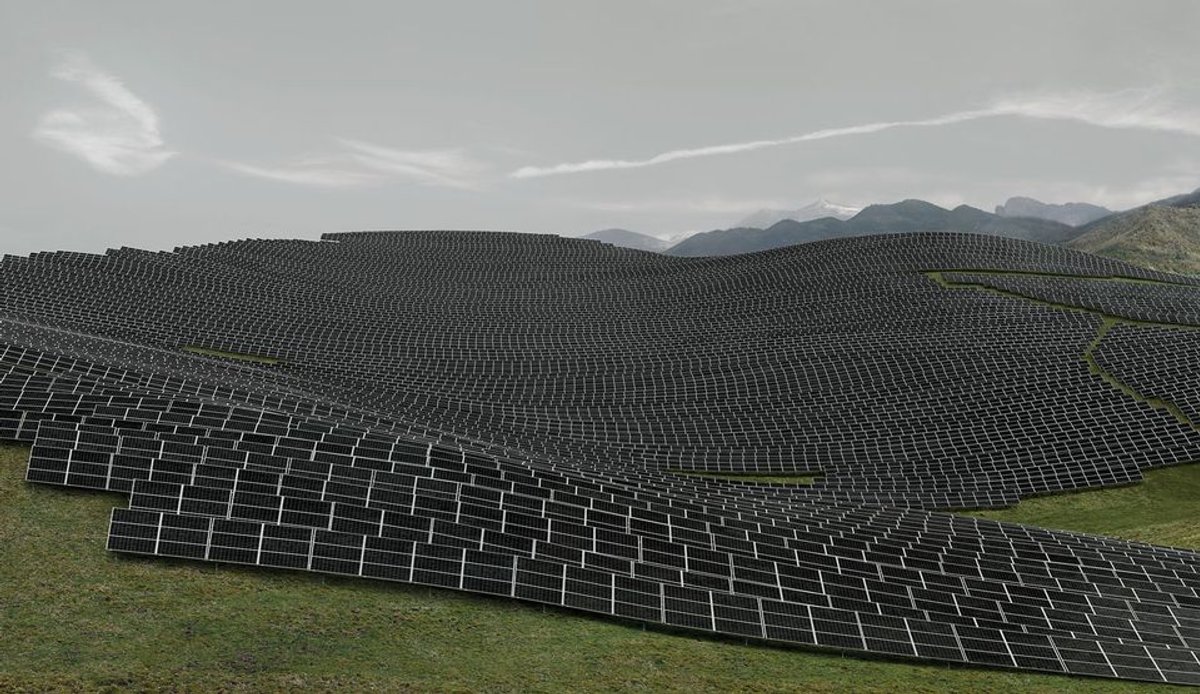
Dusseldorf has been home to several prominent German photographers including Andreas Gurksy. Shown here is his 2016 photograph Les Mées © Andreas Gursky / DACS, 2017, courtesy of Sprüth Magers

Dusseldorf has been home to several prominent German photographers including Andreas Gurksy. Shown here is his 2016 photograph Les Mées © Andreas Gursky / DACS, 2017, courtesy of Sprüth Magers

The German parliament’s budget committee has approved funding of €41 million for a new institution it intends to build in Dusseldorf to preserve, archive and publicise the nation's photographic cultural heritage.

The German culture minister, Monika Grütters, said in a statement that the preference to locate the institution in Dusseldorf “is a reference to the great photographic tradition of the city and region,” where photographers including Bernd and Hiller Becher, Andreas Gursky and Thomas Struth have worked and taught. Grütters said that a definite decision for the city depends on co-financing from the state of North Rhine-Westphalia, of which Dusseldorf is the capital.

Grütters has appointed a team of photography experts to determine the structure and tasks of the new institute, which she sees as necessary to address “a considerable backlog in securing the visual memory of our society.”

Neighbouring countries including the Netherlands, France, Austria and Switzerland have already established national institutions to manage the legacies of leading photographers.

In Germany, where cultural policy is primarily the task of the 16 states, the enormous task of preserving, organising and digitising photographers’ work has until now fallen to a number of diverse institutions, including museums and university and state archives. However, museums often lack resources and collections can fail to find a home causing many leading photographers to establish their own depots to manage their work.
Subscribe to our daily newsletter

MuseumsMuseums & Heritage
Share
Subscribe to The Art Newspaper’s digital newsletter for your daily digest of essential news, views and analysis from the international art world delivered directly to your inbox.
Newsletter subscribe
Information
About
Contact
Cookie policy
Data protection
Privacy policy
Frequently Asked Questions
Subscription T&Cs
Terms and conditions
Advertise
Sister Papers
Sponsorship policy
Follow us
Instagram
Bluesky
LinkedIn
Facebook
TikTok
YouTube
© The Art Newspaper

Related content

Museumsnews
4 March 2021

'It feels slightly surreal!' German museums can open from Monday—but with complicated caveats

In a surprise ruling, the government prioritises museum openings ahead of restaurants and sports facilities

Catherine Hickley
Museumsnews
27 September 2021

Geneva museum director fights attempt to oust him

Around 100 scholars have signed a petition to the city’s mayor arguing that Marc-Olivier Wahler is not the right person to run the Musée d’Art et d’Histoire

Catherine Hickley
Museums & Heritagenews
28 January 2022

Berlin's 'hidden museum' that championed forgotten women artists closes down after almost 40 years

Das Verborgene Museum is passing on its archive and research mission to the Berlinische Galerie

Catherine Hickley