

Digital Editions
Newsletters
Subscribe
Digital Editions
Newsletters
Art market
Museums & heritage
Exhibitions
Books
Podcasts
Columns
Art of Luxury
Adventures with Van Gogh
Venice Biennale
Art market
Museums & heritage
Exhibitions
Books
Podcasts
Columns
Art of Luxury
Adventures with Van Gogh
Venice Biennale
Politics
news

Labour leader Jeremy Corbyn pledges to return Parthenon sculptures to Greece

Comments come after Unesco calls for “mutually acceptable” solution to 200-year-old issue

Anny Shaw. with additional reporting by Gareth Harris
4 June 2018
Share
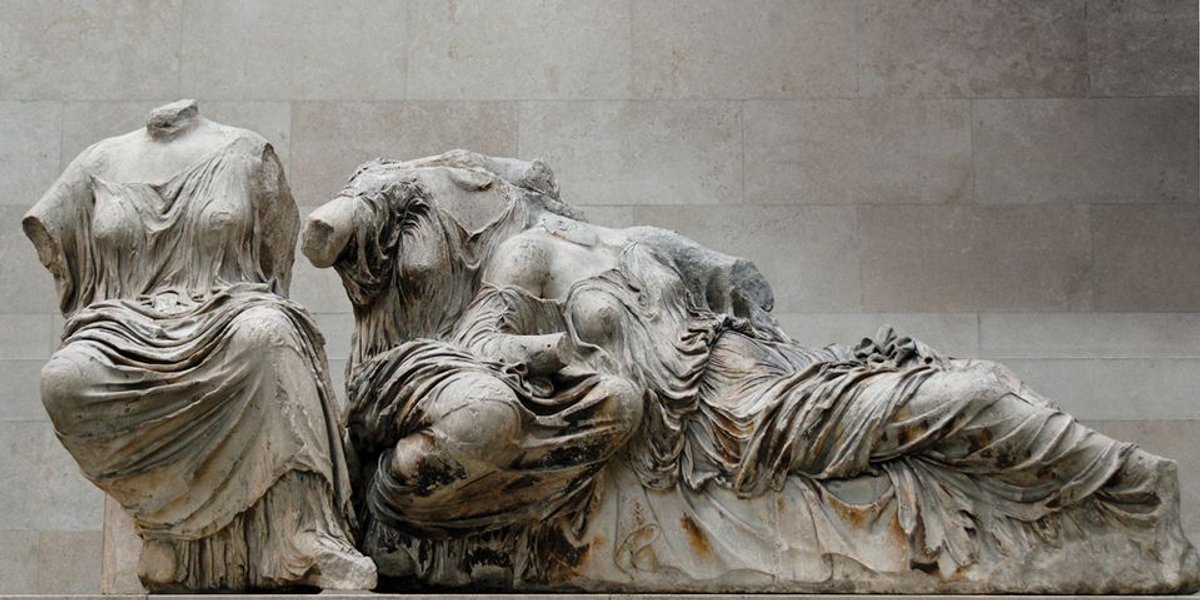
A sculpture, possibly of Hestia, Dione and Aphrodite, from the Parthenon in the British Museum Marie-Lan Nguyen

A sculpture, possibly of Hestia, Dione and Aphrodite, from the Parthenon in the British Museum Marie-Lan Nguyen

The Labour Party leader Jeremy Corbyn says he will work to return the Parthenon sculptures to Greece if elected as British prime minster.

Corbyn says the antiquities were “made in and belong to Greece” and that, on entering Downing Street, he would begin “constructive talks” with the Greek government to secure their repatriation.

His comments, first made to the Greek newspaper Ta Nea, come days after Unesco called for talks between the two nations. Twelve countries, including for the first time France, backed Unesco's stance. The United Nations agency said both sides need “to find a mutually acceptable solution to this long-term issue”.

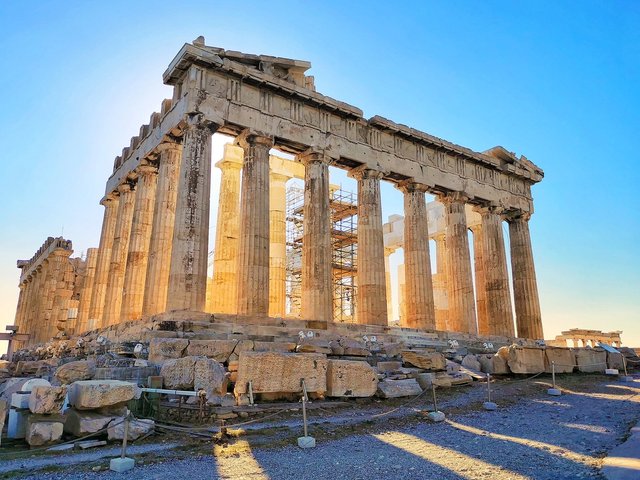
The fifth century BC statues have been housed in the British Museum since 1816 after they were removed from the Parthenon temple on the Acropolis in Athens by the Scottish nobleman Lord Elgin, the then Ottoman ambassador.

The removal of the sculptures and subsequent debates about their return has long divided opinion. According to the British Museum’s website, Lord Elgin applied to the Ottoman government for a licence to remove the sculptures, which was granted in 1801. A second licence was issued in 1810, which allowed Elgin to ship the remainder of his collection to England. In 1816, the UK government found that the collection had been legitimately acquired.

The museum’s website says: “The Trustees remain convinced that the current division allows different and complementary stories to be told about the surviving sculptures, highlighting their significance for world culture and affirming the universal legacy of ancient Greece.”

However, calls for their return have been amplified in recent months, with some calling for the issue to be part of Brexit negotiations. “The Parthenon Marbles are considered as the greatest symbol of European culture. Therefore, reuniting the marbles would be both a sign of respect and civilised relationship between Great Britain and the EU, and much more [than] a legal necessity,” the European Parliament member Stelios Kouloglou told the British press in August.

Vocal opponents to the repatriation of the antiquities include the foreign secretary Boris Johnson, who previously said they “belong and shall remain in London”.

Describing the Parthenon sculptures as an “emotive issue”, a Labour Party spokesman says “it is in the interests of both Britain and Greece to have a constructive dialogue about them”.
Subscribe to our daily newsletter

PoliticsBritish MuseumParthenon sculptures
Share
Subscribe to The Art Newspaper’s digital newsletter for your daily digest of essential news, views and analysis from the international art world delivered directly to your inbox.
Newsletter subscribe
Information
About
Contact
Cookie policy
Data protection
Privacy policy
Frequently Asked Questions
Subscription T&Cs
Terms and conditions
Advertise
Sister Papers
Sponsorship policy
Follow us
Instagram
Bluesky
LinkedIn
Facebook
TikTok
YouTube
© The Art Newspaper

Related content

Parthenonarchive
1 November 2002

No solution for Parthenon conundrum as British Museum unpersuaded by arguments for restitution of architectural components

The reconstruction of the Acropolis requires the capital and drum back from Britain to be completed, whilst the rightful custody of the marbles is still in question

Martin Bailey
Parthenon Marblesnews
8 March 2021

George Clooney wades into Parthenon Marbles debate—again

The actor first stated that the Ancient Greek sculptures should be returned to their site of origin in 2014 after filming The Monuments Men

Gareth Harris
Parthenonarchive
31 August 2003

The British Museum dismisses Parthenon Marbles loan rumours, although they are willing to make alternative concessions to Greece

Athens are still hopeful that the marbles will be returned, to be be housed in the currently unfinished New Acropolis Museum

Martin Bailey
Restitutionnews
6 January 2022

Your move, British Museum: Sicily sends back Parthenon fragment to Athens

Acropolis Museum director says the move could pave the way for reunification of works held in London

Gareth Harris