Digital Editions
Newsletters
Subscribe
Digital Editions
Newsletters
Art market
Museums & heritage
Exhibitions
Books
Podcasts
Columns
Art of Luxury
Adventures with Van Gogh
Venice Biennale
Art market
Museums & heritage
Exhibitions
Books
Podcasts
Columns
Art of Luxury
Adventures with Van Gogh
Venice Biennale
Openings
news

Nigeria plans museum for art looted from Benin

Benin Dialogue Group announces three-year schedule for new Royal Museum to display looted objects now in European collections

Catherine Hickley
22 October 2018
Share
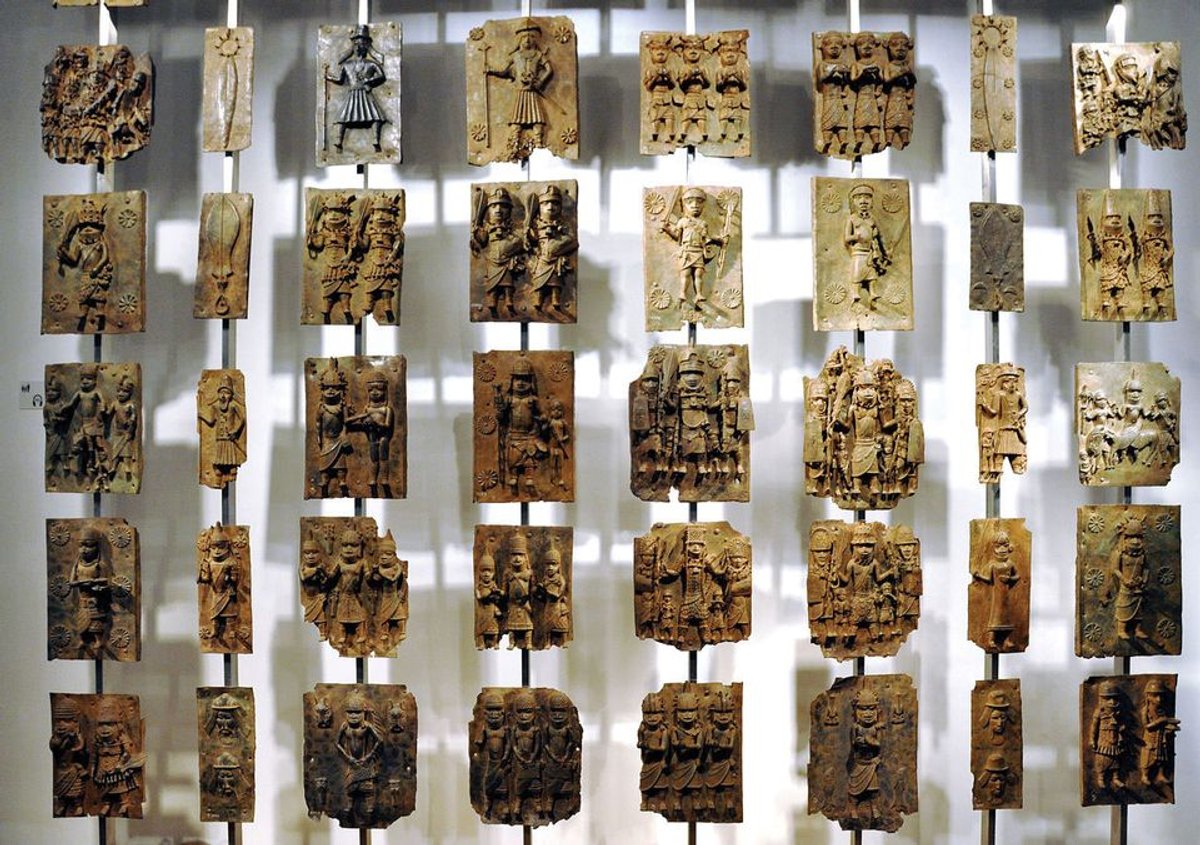
Cast brass plaques, known as “bronzes”, are among around 700 Benin objects in the British Museum’s collection © Andreas Praefcke

Cast brass plaques, known as “bronzes”, are among around 700 Benin objects in the British Museum’s collection © Andreas Praefcke

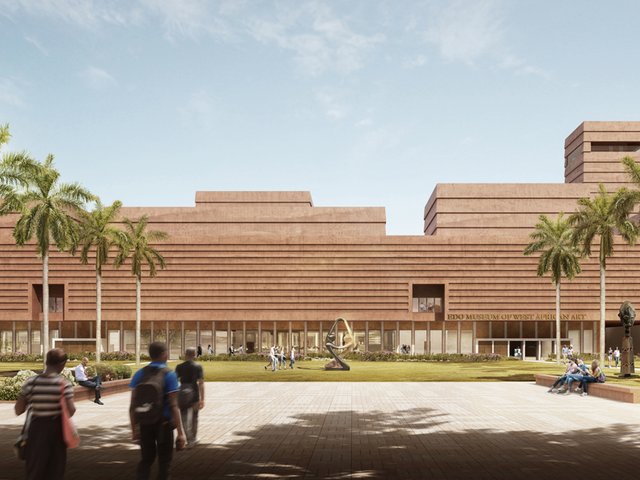
Nigeria has presented plans for a new Benin Royal Museum that would permanently display historic art from the region, including bronze sculptures plundered from the Benin palace by British troops in 1897 that have since found their way into European public collections.

The Benin Dialogue Group, bringing Nigerian representatives together with museum officials from Austria, Germany, the Netherlands, Sweden and the UK, said they agreed on a three-year time-frame for a permanent display in a new museum at a meeting in the Dutch city of Leiden on 19 October.

“I am happy that we are making progress in the effort to give our people the opportunity to once more access our heritage that was looted,” said Prince Gregory Akenzua (Enogie of Evbobanosa) of the Benin royal family.

British troops launched a “punitive expedition” to take Benin City in 1897 and plundered the royal palace, seizing an estimated 4,000 pieces, including bronze reliefs, shrines, and artefacts carved out of ivory. The Benin Dialogue Group comprises European museums that later acquired these works, including the British Museum, Berlin’s Ethnology Museum, Vienna’s Weltmuseum and the National Museum of World Cultures in Leiden. The Nigerian members represent the Edo State government, the Royal Court of Benin and the National Commission for Museums and Monuments.

The museums have all agreed to contribute artefacts to the Benin Royal Museum on a rotating basis, to provide advice as requested on building and exhibition design, and to cooperate with the Nigerian partners in developing training, funding and a legal framework for the display in the new museum.

The dialogue does not include permanent repatriation of the looted objects, a statement from the Benin Dialogue Group said. “Questions of return are bilateral issues and are best addressed with individual museums within their national systems of governance.”

The Benin Dialogue Group met in Cambridge in 2017 and will meet again in 2019 in Benin City, in 2020 at the British Museum, and in 2021 in Hamburg.
Subscribe to our daily newsletter

OpeningsNigeriaPost-colonialism
Share
Subscribe to The Art Newspaper’s digital newsletter for your daily digest of essential news, views and analysis from the international art world delivered directly to your inbox.
Newsletter subscribe
Information
About
Contact
Cookie policy
Data protection
Privacy policy
Frequently Asked Questions
Subscription T&Cs
Terms and conditions
Advertise
Sister Papers
Sponsorship policy
Follow us
Instagram
Bluesky
LinkedIn
Facebook
TikTok
YouTube
© The Art Newspaper

Related content

Benin Bronzesnews
7 January 2022

Nigeria seeks to calm tensions over return of Benin bronzes

Government museums body takes control of repatriated artefacts after ruler of Benin challenges new trust set up to unify Nigerian claimants

Catherine Hickley
Benin Bronzesnews
29 April 2021

Global survey: where in the world are the Benin bronzes?

Around 160 institutions hold looted Benin artefacts, but how many are prepared to give them back? We asked museums in five countries for their position on restitution

Catherine Hickley
Museumsnews
13 November 2020

First look at David Adjaye's planned museum for Benin City

Ghanaian-British architect is working with the British Museum and Nigerian organisations to show “the most comprehensive display in the world of Benin Bronzes”

Martin Bailey