Digital Editions
Newsletters
Subscribe
Digital Editions
Newsletters
Art market
Museums & heritage
Exhibitions
Books
Podcasts
Columns
Art of Luxury
Adventures with Van Gogh
Venice Biennale
Art market
Museums & heritage
Exhibitions
Books
Podcasts
Columns
Art of Luxury
Adventures with Van Gogh
Venice Biennale
News

Nefertiti tomb theory greeted with scepticism

Zahi Hawass questions claim that queen was buried near Tutankhamun

Martin Bailey
31 August 2015
Share

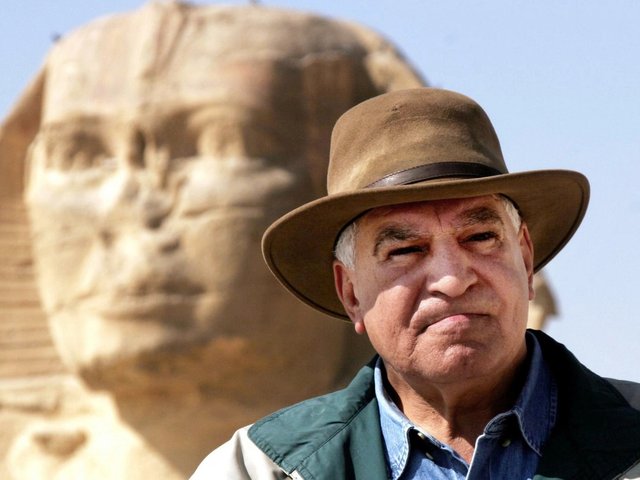
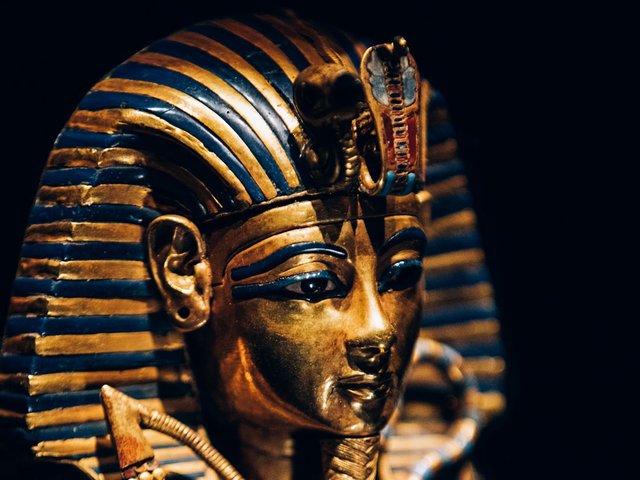
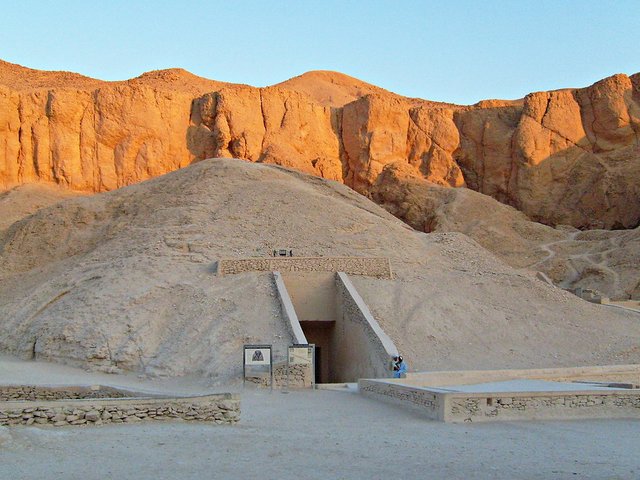
Zahi Hawass, Egypt’s leading archaeologist, has dismissed the theory that Nefertiti is buried next to Tutankhamun’s tomb. In August, the British specialist Nicholas Reeves claimed that there is a hidden doorway in Tutankhamun’s burial chamber that could lead to the tomb of Nefertiti, the chief consort of Pharaoh Akhenaten, Tutankhamun’s father. She died in around 1330BC and her tomb has never been found.

Reeves, who is based at the University of Arizona, made his case in a paper published by the Amarna Royal Tombs Project, which he set up in

1998. A painstaking examination of

high-definition colour images of Tutankhamun’s burial chamber led Reeves to identify two previously undetected, plastered-over doorways, untouched since antiquity. An examination of the paint on the north wall suggests that it was decorated earlier than the other three walls in the tomb.

Hawass believes, however, that there is “very little evidence” for Reeves’s theory, and told us that it will “die”.

A detailed geophysical survey of Tutankhamun’s tomb should now be “one of Egyptology’s highest priorities”, Reeves says. The first step would be to use radar, “which should tell us relatively quickly and easily whether there is a void beyond the west and north walls”. If a void

were detected, it would theoretically be possible to drill a small hole through the walls to insert a fibre-optic camera.

Despite his scepticism, Hawass, who previously served as the head of Egypt’s Supreme Council of Antiquities, suggests that a committee should now be appointed to examine Reeves’s evidence.

Reeves has long believed that Nefertiti’s tomb is in the Valley of the Kings. In 2000, he carried out a radar survey of a site near a storage chamber, close to Tutankhamun’s burial chamber. This revealed a void, but subsequent investigation showed no trace of a tomb. Reeves now says that “perhaps archaeologists were not digging in quite the right place”
Subscribe to our daily newsletter

NewsAntiquities & Archaeology
Share
Subscribe to The Art Newspaper’s digital newsletter for your daily digest of essential news, views and analysis from the international art world delivered directly to your inbox.
Newsletter subscribe
Information
About
Contact
Cookie policy
Data protection
Privacy policy
Frequently Asked Questions
Subscription T&Cs
Terms and conditions
Advertise
Sister Papers
Sponsorship policy
Follow us
Instagram
Bluesky
LinkedIn
Facebook
TikTok
YouTube
© The Art Newspaper

Related content

Antiquities & Archaeologynews
9 April 2021

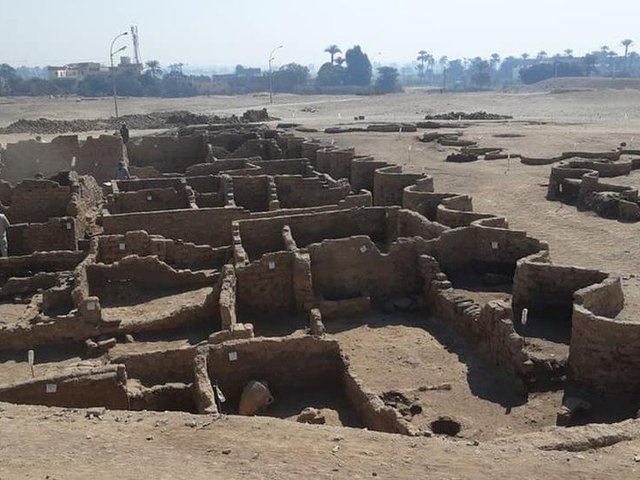
Egyptian archaeologists uncover ‘lost golden city of Luxor’

The 3,000-year-old site is remarkably preserved, with pottery, daily tools and human remains found among its intact walls

Wallace Ludel
Antiquities & Archaeologynews
20 August 2015

‘Very little evidence’ that Nefertiti is buried near Tutankhamun

Egypt’s leading archaeologist Zahi Hawass throws cold water on the recent theory that a hidden door in the boy king’s tomb could lead to the queen’s long-lost burial chamber

Martin Bailey
Antiquities & Archaeologynews
17 March 2016

Egypt announces ‘discovery of the century’ hidden behind King Tut’s tomb

Radar scans reveal metallic and organic objects that might be preserved grave goods—perhaps even the secret burial chambers of Queen Nefertiti

Garry Shaw
Tutankhamunnews
1 November 2019

Archaeologist Zahi Hawass creates Tutankhamun opera to mark opening of Grand Egyptian Museum

Outspoken former minister also wants to stage the show in Valley of the Kings in 2022

Gareth Harris