In an age when the risks faced by wartime photojournalists have become all too apparent, two Dutch organisations are joining forces with a Dhaka-based picture agency to preserve the photography archive of Rashid Talukder (1939-2011), who is known for his defining images of Bangladesh’s struggle for independence from Pakistan.
The award-winning photographer gave 156,000 negatives, many dating from the country’s bloody Liberation War of 1971, to the Drik Picture Library in 2010, a year before his death. Around 18,000 of the most fragile negatives are being archived and digitised, thanks to funding from the Prince Claus Fund, an Amsterdam-based grant-making body, and the European Fine Art Foundation, which runs the Tefaf art fair.
Talukder began his career in the 1950s and chronicled key moments in his country’s push for freedom. His early pictures capture events such as the Language Movement, a campaign against a law that enshrined Urdu as the sole national language despite the fact that the majority of people in East Bengal—later to become Bangladesh—spoke Bengali. He went on to photograph the Liberation War, producing “numerous iconic photos” that “still stand as strong visual evidence of one of the unforgettable brutalities of the century”, says Reshad Kamal, the head of Drik’s photo library. He also captured the rise and fall of Bangladesh’s founding father, Sheikh Mujibur Rahman, the famine of 1974 and the military regime of General Ziaur Rahman, among other pivotal moments—often at great personal risk.
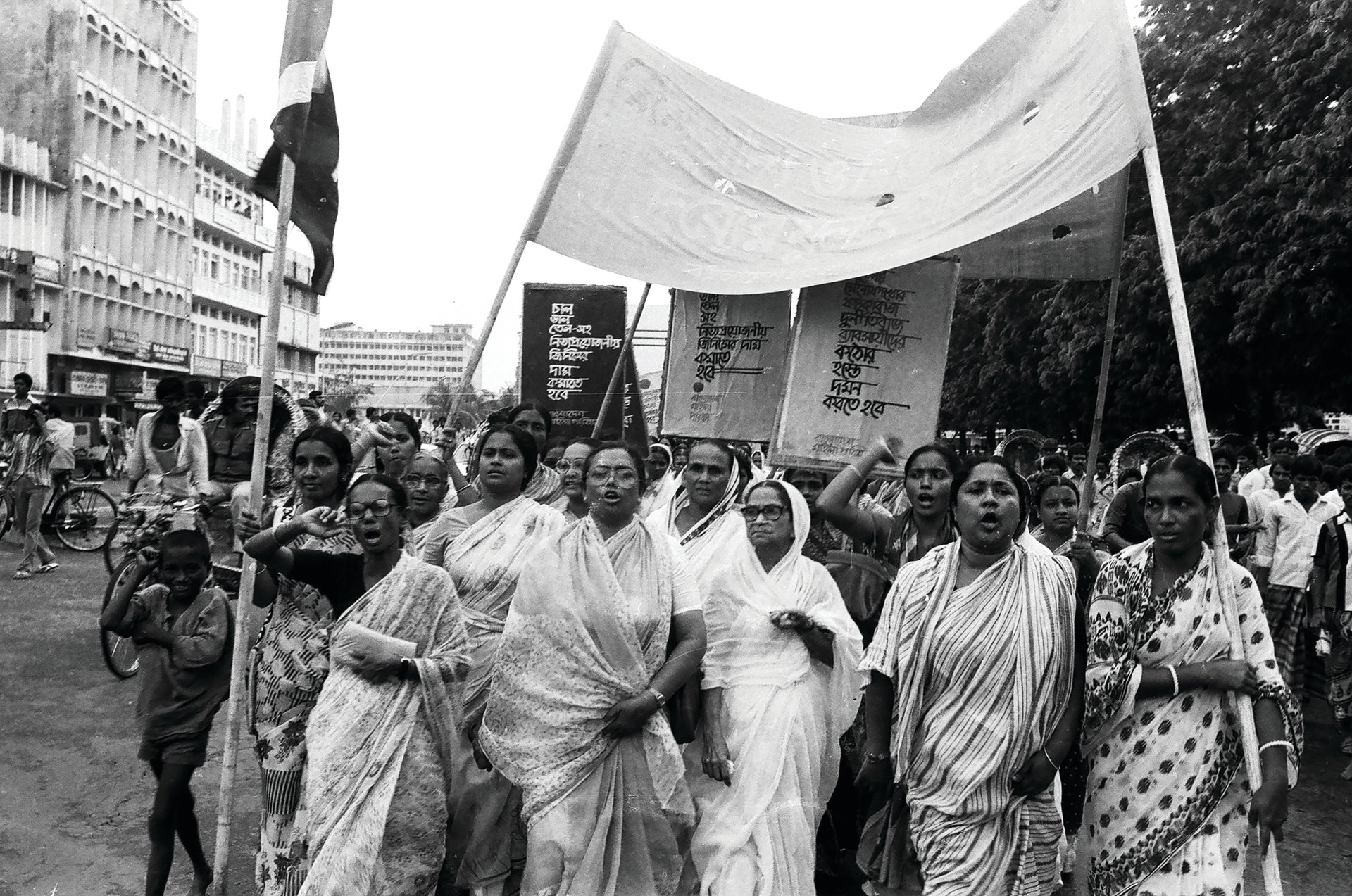
Talukder did not publish his pictures “because the risk of being identified as the author of such politically sensitive images was too great”, says Joumana El Zein Khoury, the director of the Prince Claus Fund. Instead, he put the negatives and photographs in steel trunks and buried them, “like a sort of buried treasure”. Kamal, who describes Talukder as a “brave, uncompromising man”, says the collection includes “a large number of scarred negatives; hidden from the military, wrapped in old cloth, buried underground, also bearing the wounds of war”.
The conditions in which this hidden collection was kept were not ideal, and around one-sixth of the negatives were infected with a fungus that is accelerating the process of emulsion decay. The 18,000 images that are being digitised, representing around 12% of the collection, were selected both for their socio-cultural importance and for their state or risk of decay. The fungus will be treated before the images are scanned and archived. Around 13,500 have already been digitised and processed, and archiving is also under way.
“In terms of social, historical and artistic value, this collection is incredibly special. I can’t stress the importance of Rashid Talukder’s work enough,” El Zein Khoury says. “It captures the first 40 years of a new nation’s history… it is an actual time capsule of the cultural memory of Bangladesh.”
Talukder was well aware of the historical importance of his photographs and of the preservation challenges associated with the medium. He wanted his images to be digitised, archived and shared with the public—to create a library that would, in his own words, “enable the memory of my country’s history to be preserved”.
Preserving 40 years of history
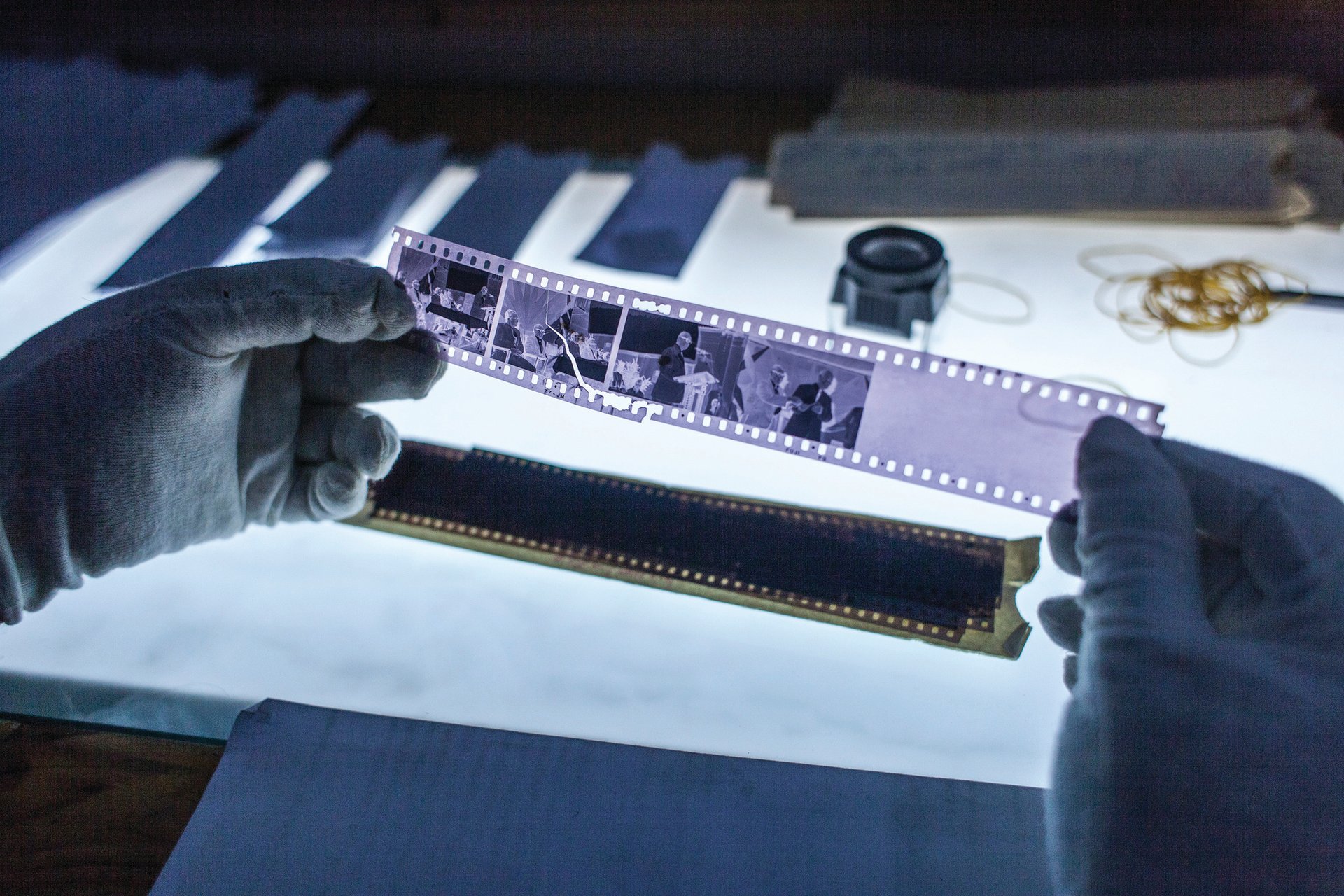
Digitising and archiving the photographic collection of Rashid Talukder is part of a larger initiative by the Dhaka-based Drik Picture Library to archive the complete visual history of Bangladesh since it was founded in 1971. The plan includes creating a publicly accessible website, producing publications and mounting exhibitions. Drik is currently looking for additional funding for this venture.