Digital Editions
Newsletters
Subscribe
Digital Editions
Newsletters
Art market
Museums & heritage
Exhibitions
Books
Podcasts
Columns
Art of Luxury
Adventures with Van Gogh
Venice Biennale
Art market
Museums & heritage
Exhibitions
Books
Podcasts
Columns
Art of Luxury
Adventures with Van Gogh
Venice Biennale
News

‘Rescue archaeologists’ head to Iraq

First group of Iraqis trained by British Museum staff return home

Tim Cornwell
30 September 2016
Share

As archaeologists and experts wrestle with how to respond to attacks on cultural heritage, the first six Iraqis trained in “rescue archaeology” by the British Museum have returned home.

They will now complete three more months of training, including instruction at two archaeological sites in the south and north of Iraq, which are not being identified for security reasons. They are the first of around 50 people expected to be trained under the UK’s Iraq Emergency Heritage Management scheme, in techniques such as data retrieval and digitisation.

Speaking at a forum on protecting cultural heritage, Jonathan Tubb, the keeper of the British Museum’s Middle East department, said: “We can’t stand in front of monuments and protect them. But what we can do is make sure that when our Iraq colleagues can get back into hideously disrupted sites like Nineveh or Nimrud, they will…be ready on the ground.”

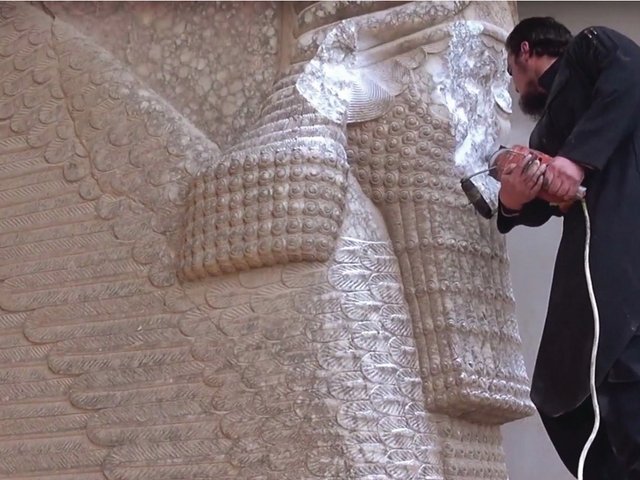
Tubb said it was “nonsense” to think that only people in the West cared about cultural sites. He cited the “poor guards” at Nineveh, “who literally stood in front of those remains, those reliefs, and tried to protect them against Isil. They were beheaded, and family who went to the funeral were rounded up and have not been seen since.”

He added: “To deprive people of their heritage is one of the most inhuman things you can actually do. And that’s why it’s right it should be a war crime.”

The UK has yet to sign up to the 1954 Hague Convention for the Protection of Cultural Property in the Event of Armed Conflict but there was hope that this might happen before the end of the year, Tubb said.
Subscribe to our daily newsletter

NewsConservation
Share
Subscribe to The Art Newspaper’s digital newsletter for your daily digest of essential news, views and analysis from the international art world delivered directly to your inbox.
Newsletter subscribe
Information
About
Contact
Cookie policy
Data protection
Privacy policy
Frequently Asked Questions
Subscription T&Cs
Terms and conditions
Advertise
Sister Papers
Sponsorship policy
Follow us
Instagram
Bluesky
LinkedIn
Facebook
TikTok
YouTube
© The Art Newspaper

Related content

Heritagenews
9 April 2015

Cultural heritage at heart of propaganda battle in Iraq

Following vandalism at Mosul museum and Nergal Gate, Iraqi government says IS has destroyed ancient sites at Nimrud, Hatra and Khorsabad

Martin Bailey
News
16 May 2016

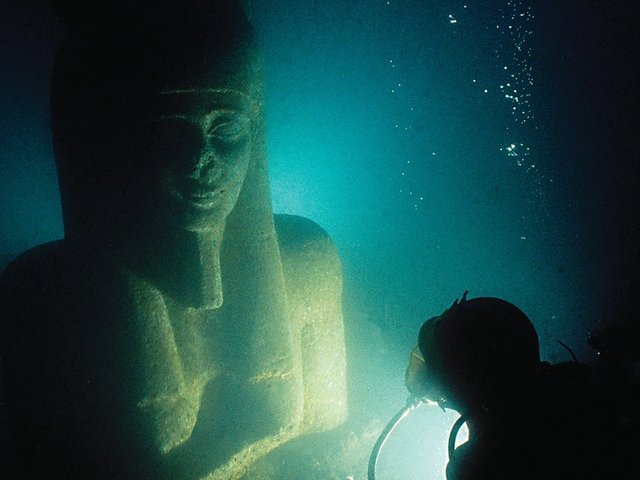
British Museum dips its toes into world of underwater archaeology

London institution’s new show explores Egypt’s lost cities<br>

Emily Sharpe
Archaeologynews
7 December 2022

First major dig in ancient Iraqi city since Isis destruction unearths ‘significant’ palace door sill

The artefact survived both Nimrud's decimation in 2016 and the fall of the Assyrian empire in the 7th century

Hadani Ditmars
Antiquities & Archaeologynews
2 June 2015

Updated emergency ‘Red List’ of Iraq antiquities at risk released

New publication includes cuneiform tablets, cylinder seals, Assyrian reliefs and coins

Martin Bailey