Digital Editions
Newsletters
Subscribe
Digital Editions
Newsletters
Art market
Museums & heritage
Exhibitions
Books
Podcasts
Columns
Art of Luxury
Adventures with Van Gogh
Venice Biennale
Art market
Museums & heritage
Exhibitions
Books
Podcasts
Columns
Art of Luxury
Adventures with Van Gogh
Venice Biennale
Exhibitions
preview

Munich exhibition uses X-rays to lay bare Anthony van Dyck's creative methods

Research project conducted by Alte Pinakothek reveals how the Flemish painter developed and reworked his canvases

Catherine Hickley
24 October 2019
Share
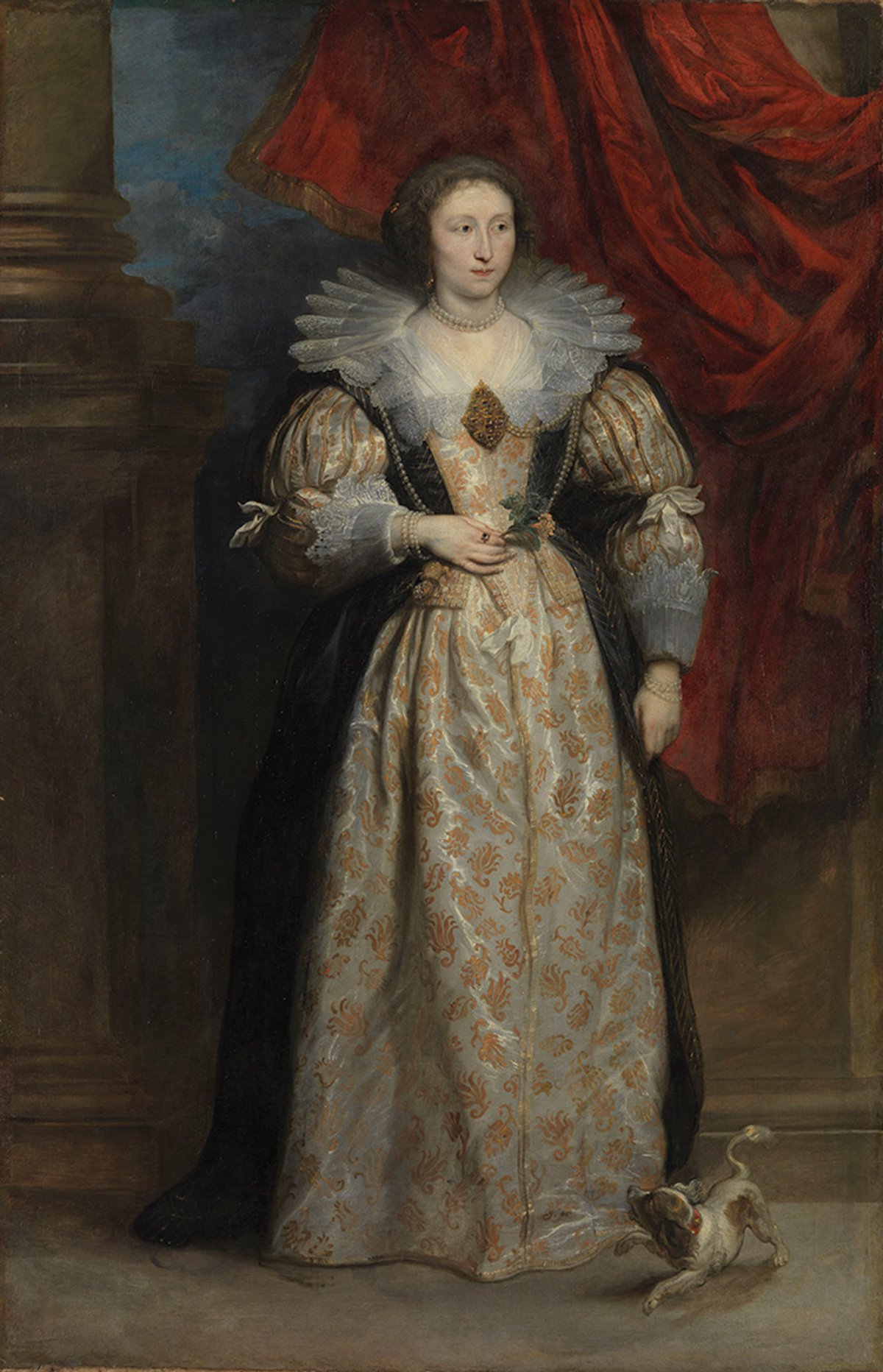
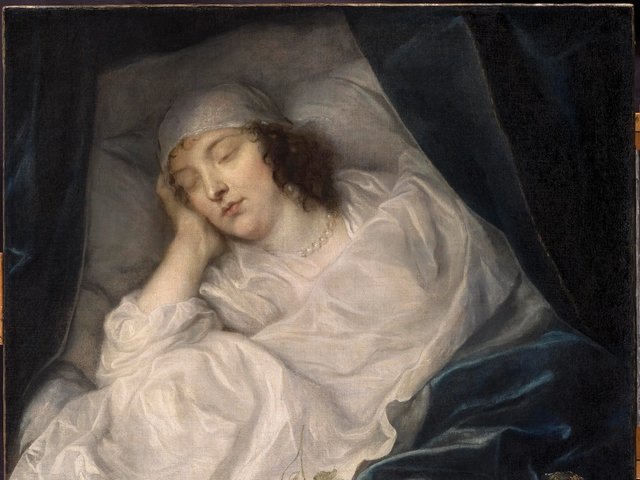
The background of Van Dyck’s Portrait  of Sebilla vanden Berghe (1630) was radically altered © Bayerische Staatsgemäldesammlungen, Alte Pinakothek

The background of Van Dyck’s Portrait of Sebilla vanden Berghe (1630) was radically altered © Bayerische Staatsgemäldesammlungen, Alte Pinakothek

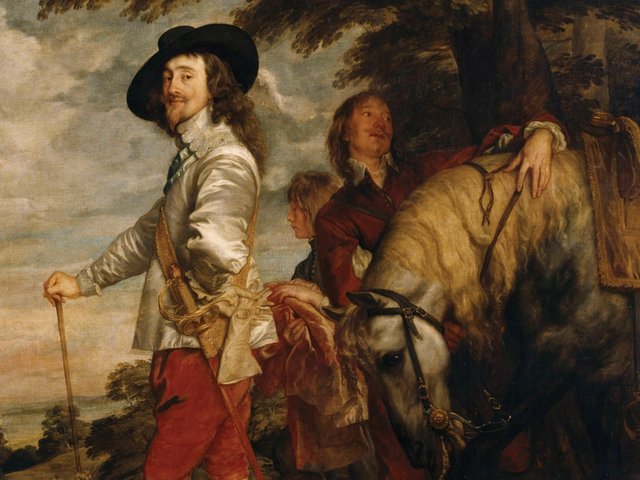
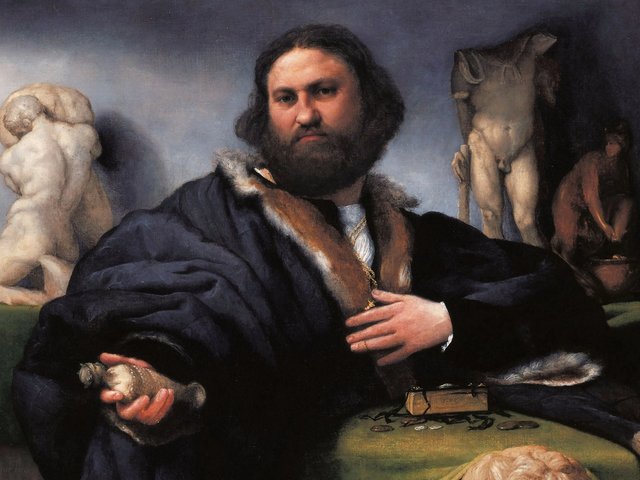
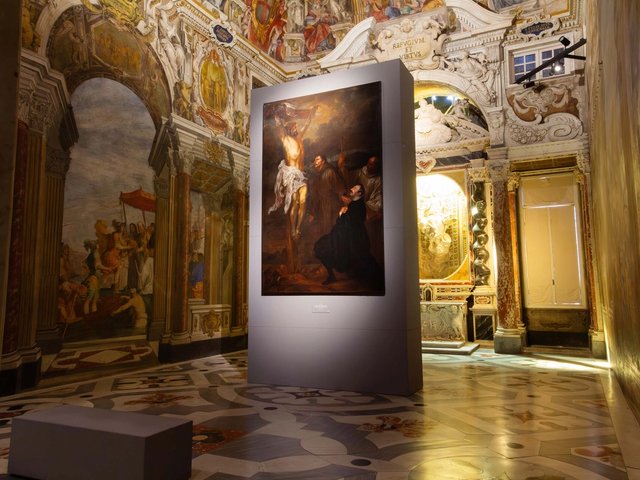
An exhibition of Anthony van Dyck, opening this week at Munich’s Alte Pinakothek, promises to deliver a luminous array of richly attired 17th-century aristocrats, as well as fresh insight into the working methods of the artist and his studio, thanks to a research project examining works in the Munich collection using X-ray and infrared reflectography.

The technical analyses reveal that Van Dyck developed, discarded and reworked his compositions in oil, says the show’s curator Mirjam Neumeister. An investigation of a portrait of Sebilla vanden Berghe, for instance, showed that Van Dyck radically altered the background, painting over a column and landscape view. “We don’t know whether it was at the request of the client or whether it was his own artistic decision,” she says. “But it shows that his paintings were prepared not just with drawing studies—they were also very intensely reworked during the painting process.”

The show aims to track Van Dyck’s artistic development with loans from museums and private collections across Europe and the US. Among the four sections of the exhibition there will be one devoted to Van Dyck’s early works—mostly religious and mythological paintings that reveal the debt he owed to Peter Paul Rubens, whose studio he worked in for two years—and one focusing on works created after Van Dyck’s journey to Italy in 1621, where he was inspired by Titian, Veronese and Bellini. Two self-portraits in particular will illustrate this point: one dated 1621, on loan from New York’s Metropolitan Museum of Art; and one from the Pinakothek’s own collection dated 1627. “Ours has a much more Italian look to it,” Neumeister says.

The exhibition is funded with support from the States’ Cultural Foundation and private sponsors.

• Van Dyck, Alte Pinakothek, Munich, 25 October-2 February 2020
Subscribe to our daily newsletter

ExhibitionsOld MastersMunichAnthony van DyckAlte Pinakothek
Share
Subscribe to The Art Newspaper’s digital newsletter for your daily digest of essential news, views and analysis from the international art world delivered directly to your inbox.
Newsletter subscribe
Information
About
Contact
Cookie policy
Data protection
Privacy policy
Frequently Asked Questions
Subscription T&Cs
Terms and conditions
Advertise
Sister Papers
Sponsorship policy
Follow us
Instagram
Bluesky
LinkedIn
Facebook
TikTok
YouTube
© The Art Newspaper

Related content

Book Clubfeature
6 February 2024

Why Anthony van Dyck was summoned to paint a recently deceased noblewoman

This extract from a new book about works in the Dulwich Picture Gallery by Helen Hillyard and Jennifer Scott reveals the story behind the artist's 1663 portrait of Lady Digby

Helen Hillyard and Jennifer Scott. With an introduction by José da Silva
Exhibitionspreview
22 January 2018

Royal Academy of Arts reunites masterpieces from Charles I's collection—many for first time since his execution

Exhibition will include paintings by Titian, Mantegna and Van Dyck

Martin Bailey
Exhibitionspreview
3 December 2020

Buckingham Palace masterpieces hop next door for exhibition at the Queen’s Gallery

While the royal residence is under repair, some of the Royal Collection’s most famous paintings have been relocated and displayed in a more convenient setting

Maev Kennedy
The Big Reviewreview
22 June 2026

The Big Review: Van Dyck, the European ★★★★½

Structured around the artist's time in Antwerp, Genoa and London, the show at Genoa's Palazzo Ducale offers a gorgeous overview, as well as revealing new research

J.S. Marcus