Digital Editions
Newsletters
Subscribe
Digital Editions
Newsletters
Art market
Museums & heritage
Exhibitions
Books
Podcasts
Columns
Art of Luxury
Adventures with Van Gogh
Venice Biennale
Art market
Museums & heritage
Exhibitions
Books
Podcasts
Columns
Art of Luxury
Adventures with Van Gogh
Venice Biennale
Archives
news

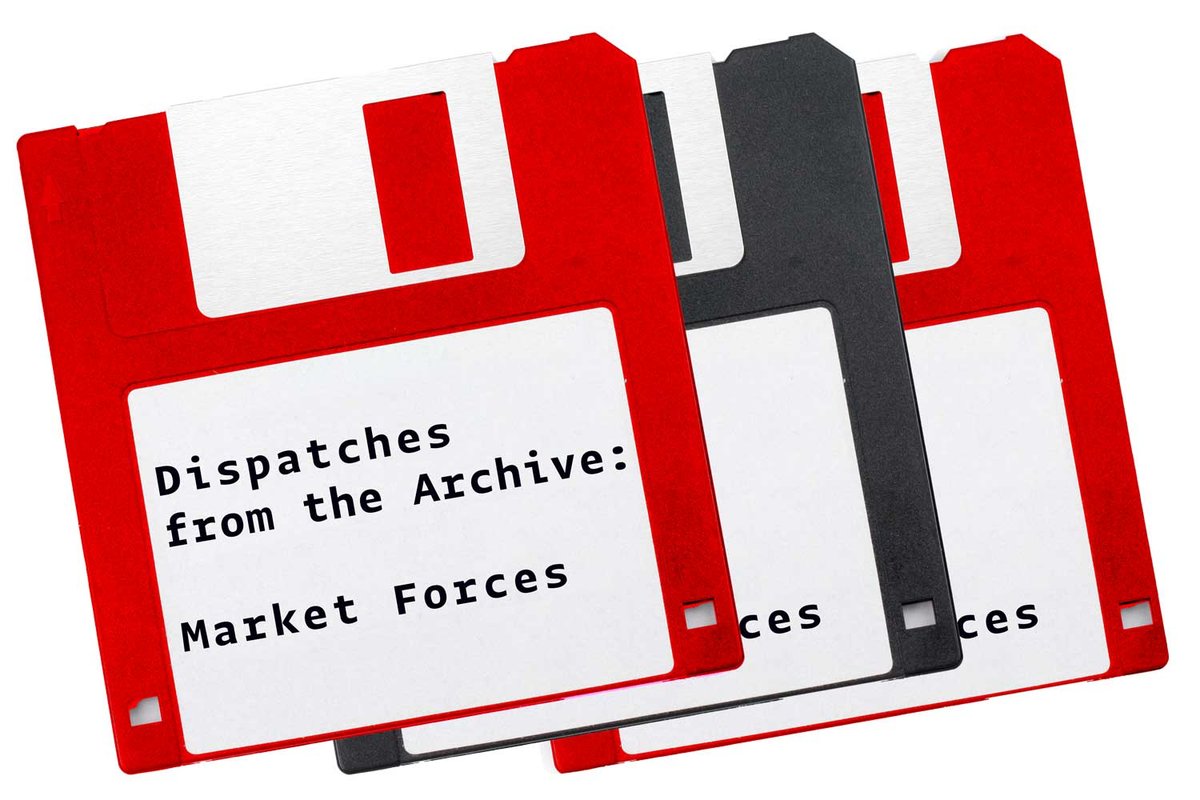
Market forces still at work: why we need to look to our past to understand our future

Our first collection of archival stories looks at the major financial shifts and trends that have impacted collectors and those in the trade since 1990—and continue to be relevant today

Helen Stoilas
29 April 2020
Share
Dispatches from The Art Newspaper archive

Dispatches from The Art Newspaper archive

For 30 years, The Art Newspaper has investigated the art world, analysed industry trends and spoken with leading decision-makers. Much has changed over the decades, but there is still a great deal to be learned from past events. As we prepare for our anniversary in October, we are delving into our archives to bring you insights that continue to be relevant.

Our first collection of stories, selected around the theme of “Market forces”, looks at the financial shifts that have had an impact on dealers, artists and collectors since 1990. As the art community tries to assess the severe economic and social fallout of the coronavirus pandemic, it is worth remembering how we have survived previous crises. On our website, you’ll find advice on how to weather a recession, an interview with a Yale economist on how art commerce and the financial markets are (and aren’t) connected, an early look at how the internet would change the business of selling art, and a feature by a future fair director on the lack of regulation in the market. We’ve also reached out to some of the original writers and asked our editors to reflect on what has changed since these stories were first published.

We are planning to pull together more collections in the coming months, in print and online. Future topics include our ongoing investigations into how the arts are funded, whether it is through private philanthropy as is prevalent in the US—and the ethical issues that can crop up from that model—or the often dwindling state support in the UK and Europe. As you might already see, there are many parallels to be drawn with current events. Because the arts matter now more than ever, and our coverage does not end with the next news cycle.
Subscribe to our daily newsletter

ArchivesArt marketmarket forces
Share
Subscribe to The Art Newspaper’s digital newsletter for your daily digest of essential news, views and analysis from the international art world delivered directly to your inbox.
Newsletter subscribe
Information
About
Contact
Cookie policy
Data protection
Privacy policy
Frequently Asked Questions
Subscription T&Cs
Terms and conditions
Advertise
Sister Papers
Sponsorship policy
Follow us
Instagram
Bluesky
LinkedIn
Facebook
TikTok
YouTube
© The Art Newspaper

Related content

April 2000archive
1 April 2000

How the internet will change the art market: the new kids on the block are smarter than you think

The advice on how to be successful in the online world offered here in 2000 centred on building a community and having a shared sense of purpose and trust

Andy Bottomley
July 2007archive
30 June 2007

It’s definitely a bubble, but when it will burst is anybody’s guess

The veteran dealer Richard Feigen on the state of the art market in 2007

Richard Feigen
May 2001archive
1 May 2001

Interview with economist William N. Goetzmann: 'The financial and the art markets do not crash at the same time'

In 2001, the Yale professor attributed the one- to two-year lag between crashes to the time it takes to liquidate assets

Brook Mason