Digital Editions
Newsletters
Subscribe
Digital Editions
Newsletters
Art market
Museums & heritage
Exhibitions
Books
Podcasts
Columns
Art of Luxury
Adventures with Van Gogh
Venice Biennale
Art market
Museums & heritage
Exhibitions
Books
Podcasts
Columns
Art of Luxury
Adventures with Van Gogh
Venice Biennale
Art market
news

Antiquities think tank pushes UK to impose tougher regulations to fight trade in looted art

Antiquities Coalition has published a policy brief urging government to seize the "window of opportunity" in wake of repealed EU Cultural Goods Regulations

Riah Pryor
4 November 2021
Share
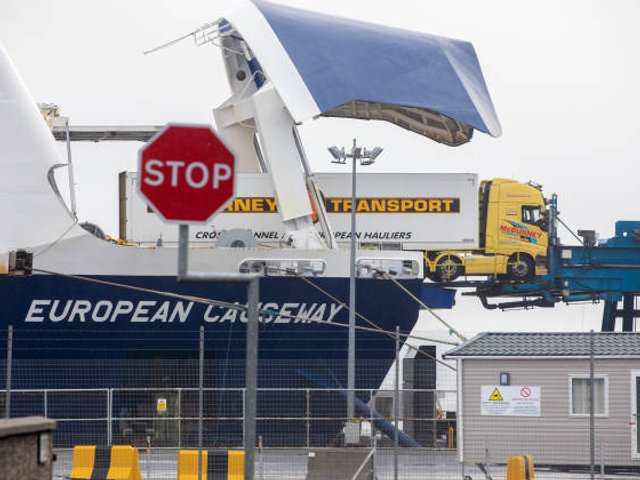
The Antiquities Coalition is recommending dedicated points of entry to the UK for antiquities and cultural goods, where staff can receive higher levels of training to help identify illicit items

Photo: Stijn te Strake

The Antiquities Coalition is recommending dedicated points of entry to the UK for antiquities and cultural goods, where staff can receive higher levels of training to help identify illicit items

Photo: Stijn te Strake

A think tank focused on the illicit trade in art and antiquities has published a policy brief advising the UK government to impose tighter measures, following its withdrawal from the EU Import of Cultural Goods Regulations (EU 2019).

The art market has long criticised the stringent EU regulations, which were designed to better determine whether cultural goods had been illicitly exported from their country of origin, as being cumbersome on trade.

Rather than challenging the decision to repeal the regulations, the Antiquities Coalition claims the void left in their absence creates a "window of opportunity" to address the situation, which continues to lack sufficient regulation.

"The UK has lost its balance and now risks losing its reputation and credibility as a country that is committed to cultural property protection and combating terrorist financing", the brief says.

Particular mention is made of an emerging situation in which "The [EU] Regulation will, therefore, apply in full in Northern Ireland and not at all in Great Britain, but the UK’s current position is that the UK will not change the way in which it handles cultural goods entering either jurisdiction." In addition to creating a confusing set of rules, there is mounting concern that this could result in Northern Ireland becoming a "gateway to the EU" for trafficked items.

“The purpose of the recommendations in the [paper] is to propose measures that would achieve the objective of the EU Regs in the UK through workable measures that would not unduly hinder the legitimate art market, most of whom are well aware of their legal obligations and their responsibilities to carry out due diligence,” says Fionnuala Rogers, who authored the brief and is the chair of the UK’s Committee of the Blue Shield.

Recommendations made in the paper include the creation of dedicated points of entry for antiquities and cultural goods, where staff can receive higher levels of training to help identify illicit items; greater requirements to provide information on import documents (including the believed origin and provenance of items); the inclusion of antiquities in Anti-Money Laundering Regulations; and a categorisation system for high-risk objects, to aid customs in their monitoring of imports.

Peter Herdrich, the co-founder of the Antiquities Coalition, says “plans are underway to host a webinar to solicit thoughts from all sides on the import regulations, in the next few weeks and invite all interested parties to join us online to share their expertise.”

The DCMS declined to comment.
Subscribe to our daily newsletter

Art marketAntiquitiesLooted art
Share
Subscribe to The Art Newspaper’s digital newsletter for your daily digest of essential news, views and analysis from the international art world delivered directly to your inbox.
Newsletter subscribe
Information
About
Contact
Cookie policy
Data protection
Privacy policy
Frequently Asked Questions
Subscription T&Cs
Terms and conditions
Advertise
Sister Papers
Sponsorship policy
Follow us
Instagram
Bluesky
LinkedIn
Facebook
TikTok
YouTube
© The Art Newspaper

Related content

Brexitcomment
31 January 2020

Brexit: what's next for the UK art market?

Leaving the EU will make business with its member states more difficult but is likely to offer opportunities further afield, says former MEP Daniel Dalton

Daniel Dalton
Art marketnews
25 October 2019

US House of Representatives passes an anti-money laundering bill that could affect art and antiquities dealers

Introduced in March, the Counter Act is the latest legislation that faces dealers with financial regulatory burden

Wallace Ludel and Margaret Carrigan
Art marketinterview
5 July 2023

'The most illiquid property you can have is a Greek vase': Vincent Geerling on the challenges facing the antiquities trade

The chairman of the International Association of Dealers in Ancient Art reflects on an increasingly scrutinised industry as the organisation marks its 30th anniversary

Riah Pryor
Art marketnews
19 October 2021

Northern Ireland's art market mired in post-Brexit confusion

Experts fear country could become "gateway to Europe for illicit cultural property", while new asset seizure powers—which include art—are being introduced to help criminal investigations into unexplained wealth

Riah Pryor