Digital Editions
Newsletters
Subscribe
Digital Editions
Newsletters
Art market
Museums & heritage
Exhibitions
Books
Podcasts
Columns
Art of Luxury
Adventures with Van Gogh
Venice Biennale
Art market
Museums & heritage
Exhibitions
Books
Podcasts
Columns
Art of Luxury
Adventures with Van Gogh
Venice Biennale
Museums & Heritage
news

Dresden museum returns four objects to Australia’s Kaurna community

The spear, digging stick, cudgel and net were brought home by German missionaries nearly 200 years ago

Catherine Hickley
17 August 2023
Share
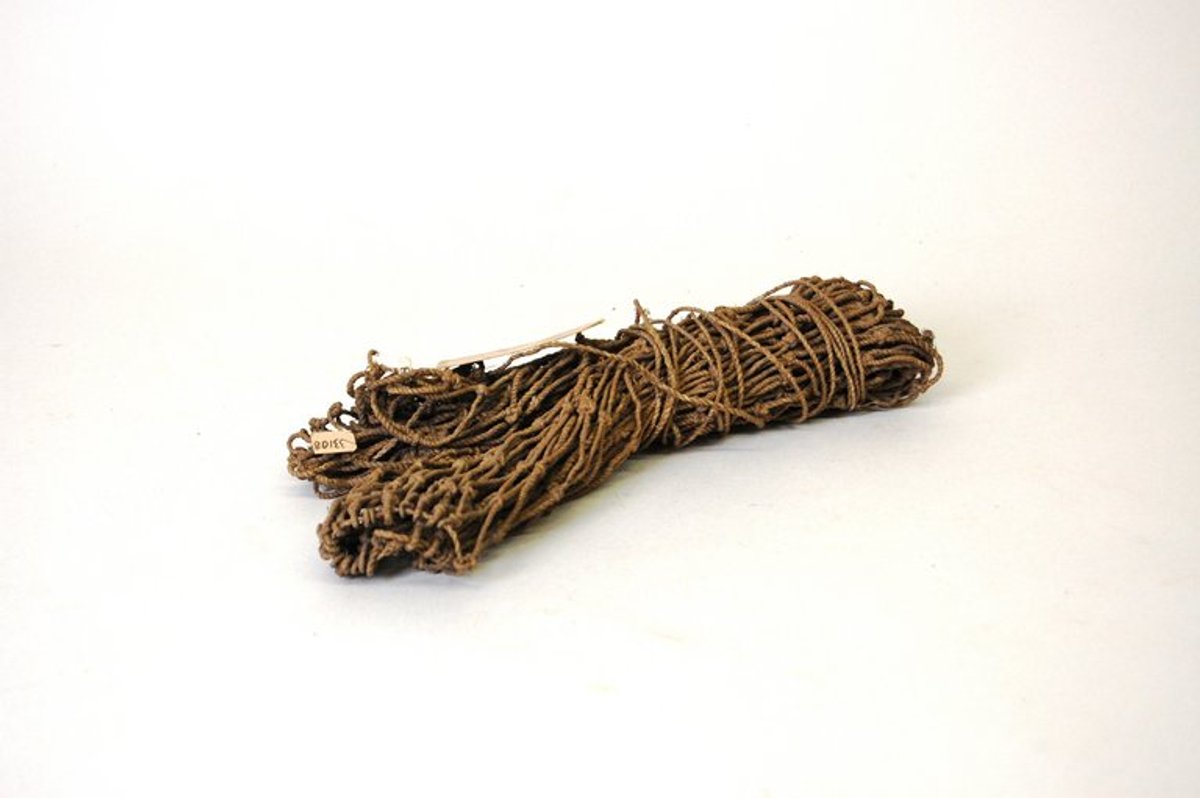
A plant fibre fishing net from the Kaurna community, South Australia before 1840 © SES

A plant fibre fishing net from the Kaurna community, South Australia before 1840 © SES

Dresden’s museum of world cultures returned a spear, a digging stick, a cudgel and a net that were brought home to Germany by missionaries almost 200 years ago to the Kaurna Aboriginal community of Australia at a ceremony in Sydney yesterday.

The Kaurna community submitted a request for the objects to be returned in 2019 after extensive provenance research, including important contributions by Kaurna scholars, the Dresden State Art Collections said in a statement.

“The reason behind the return is an acknowledgement that these objects contribute to the Kaurna community’s sense of identity, given their provenance, historical context and important role as historic witnesses of the material culture,” the statement said.

The everyday objects were brought to Germany between 1838 and 1839 by Clamor Wilhelm Schürmann and Christian Gottlob Teichelmann, protestant missionaries working in the region surrounding Adelaide. The two missionaries also researched the Kaurna language and published vocabulary lists.

This was “the era of the first colonial settlement of this territory, and it was marked by expulsions of indigenous people from their land, the loss of their languages and of their material culture,” the statement said.

The missionary society to which the two men belonged gave the four objects to Dresden’s historical museum in 1840. From there, they passed to the royal zoological and ethnographic museum collections in 1877.

At yesterday’s ceremony, the Kaurna community was represented by Mizi Nam of the Kaurna Yerta Aboriginal Corporation. The return ceremony was supported by the German embassy in Canberra, the Saxon culture ministry, and the Australian Institute of Aboriginal and Torres Strait Islander Studies.
Subscribe to our daily newsletter

Museums & HeritageRestitutionAboriginal artGermany
Share
Subscribe to The Art Newspaper’s digital newsletter for your daily digest of essential news, views and analysis from the international art world delivered directly to your inbox.
Newsletter subscribe
Information
About
Contact
Cookie policy
Data protection
Privacy policy
Frequently Asked Questions
Subscription T&Cs
Terms and conditions
Advertise
Sister Papers
Sponsorship policy
Follow us
Instagram
Bluesky
LinkedIn
Facebook
TikTok
YouTube
© The Art Newspaper

Related content

Australianews
5 September 2019

Can Australia support two new Aboriginal art museums?

Proposals for Alice Springs and Adelaide have political support but concerns have been raised over competing projects and lack of Indigenous involvement

Elizabeth Fortescue
Museumsnews
26 August 2022

Aboriginal art to take centre stage at $225m expansion of Sydney's Art Gallery of New South Wales

The Sydney Modern Project—due to open in December—is the Australian city’s largest cultural development since the creation of its opera house

Sarah Belmont
Openingsnews
23 November 2020

Boola Bardip: Perth’s revamped Western Australian Museum opens with new name and focus on Aboriginal heritage

The museum worked with around 60 Aboriginal language groups across the vast state to bring their perspectives into every gallery

Elizabeth Fortescue