The recent announcement by the Canadian Museum for Human Rights in Winnipeg, Manitoba, that it is planning an exhibition documenting the lived experience of the Nakba (Arabic for “catastrophe”)—the term used by Palestinians for their mass displacement and violent dispossession, which began with the 1948 Arab-Israeli war—has elicited both support and condemnation.
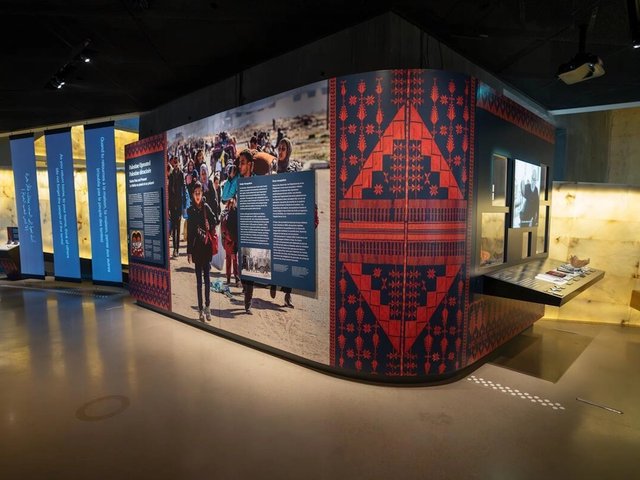
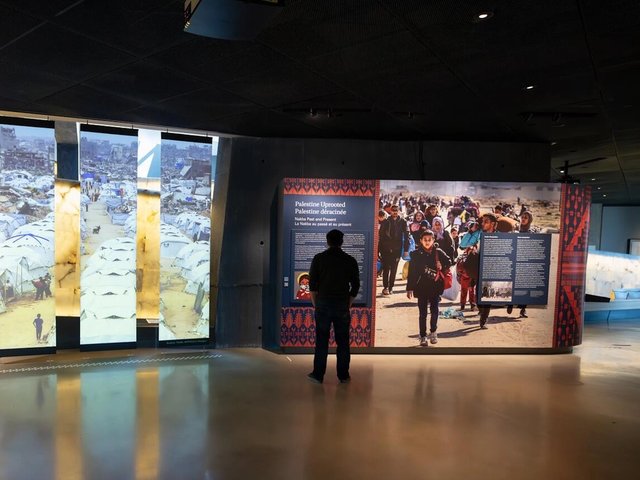
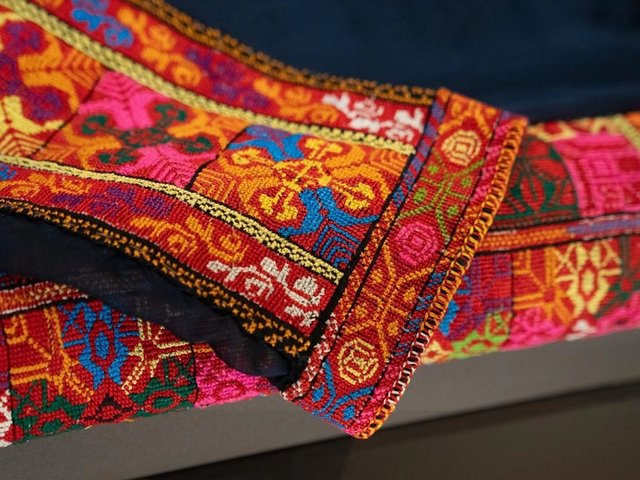
The museum’s preliminary webpage for the exhibition, titled Palestine Uprooted: Nakba, Past and Present, which is scheduled to open in June 2026, includes an image from 1948 of Palestinians fleeing their homes and a more recent one of the displaced in Gaza during the ongoing war between Israel and Hamas. It states that the show will include the personal stories of Palestinian Canadians told through video testimonials and objects. It will also include art, text and photography attesting to “enduring patterns of loss and resistance”. Beyond this, no details have been revealed about the exhibition’s content, but its very existence has been met with both strong support and scepticism.
The museum’s chief executive, Isha Khan, tells The Art Newspaper that the exhibition will be about the personal experiences of Palestinian Canadians, “not a historical retrospective, or an examination of the founding of the state of Israel or a commentary on current Israel-Palestine relations”. She adds: “We have also received many letters of support for the exhibit, including from members of the Jewish community from across Canada, who believe that Palestinian experiences should be shared.”
Ramsey Zeid, president of the Canadian Palestinian Association of Manitoba, tells The Art Newspaper: “We are extremely enthusiastic about this exhibit.” He adds: “Our efforts to support and advocate for its development began even before the museum opened its doors” in 2014.
“The narrative of Palestine has been fragmented, silenced or actively erased,” Zeid adds. “The title of this exhibit alone—acknowledging the Nakba (‘catastrophe’) not just as a singular historical event in 1948, but as a structure of dispossession that continues to this very day—is a crucial step forward.”
“A Palestinian Content Advisory Network has been working with the museum in an advisory capacity; however, the museum retains final authority over all content,” Zeid says. “This project has been in development for nearly four years” with the intent of “centring Palestinian narratives with the goal of educating the broader public”.
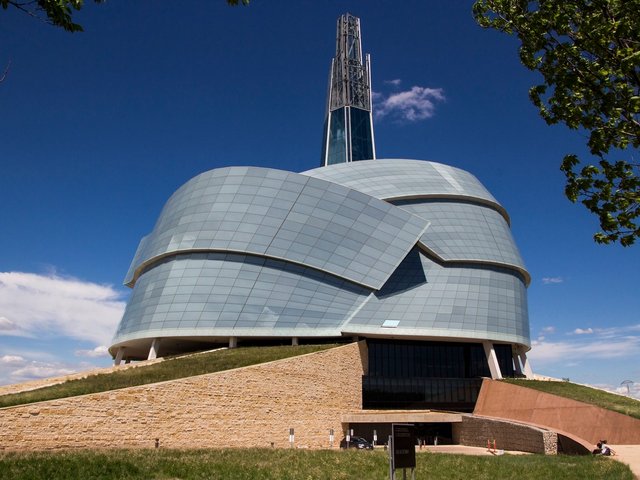
However, some supporters of the museum and representatives of Canadian Jewish groups have expressed concerns about the exhibition. The Winnipeg lawyer, businessman and trustee of The Asper Foundation, David Asper—whose father, Israel Asper, helped to launch the museum project in 2003 and whose family carried the project forward, commissioning the American architect Antoine Predock to design the visually distinctive museum—articulated his concerns in an email to The National Post.
“The museum has allowed itself to become the tool, or dupe, of only one side of the story and thereby betrays its duty as a national institution to provide a common and inclusive meeting and educational space on the matter of human rights,” Asper wrote in part. “We offered to convene leading experts to help ensure that any exhibit presents a balanced, fact-based and comprehensive narrative, one that reflects the experiences of all refugees, including the more than 850,000 Jews forcibly displaced from long-established communities across the Middle East and North Africa.”
The Jewish Heritage Centre of Western Canada has cut ties with the museum. A spokesperson for the organisation said in a statement: “We are tremendously concerned that the planned exhibit will lack balanced scholarly research and will ignore key issues of the historical and current geopolitical reality that is Israel.”
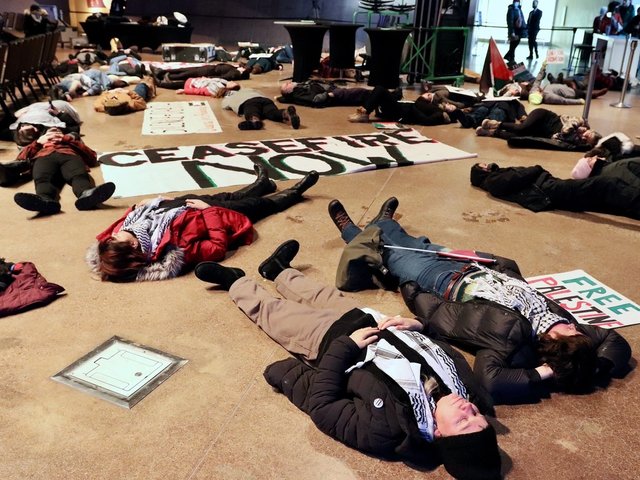
Meanwhile, Iso Setel, a spokesperson for Independent Jewish Voices, on behalf of a coalition of Jewish organisations including United Jewish People’s Order Canada (UJPO) and the Jewish Faculty Network (JFN), expressed support for the exhibition.
“We welcome the museum’s decision to take this historic step,” Setel said in a statement. “This will be the first large museum exhibit on the Nakba in Canada. As Jews committed to opposing all forms of racism and state violence, we believe that understanding the history of the Nakba is morally urgent.”
As the child of Nakba survivors, Zeid says that the hardships his parents endured “are not just chapters of history to me; they are the foundation of my family’s story. Seeing this history acknowledged in a national human rights museum is deeply emotional. It is a reminder of the resilience of my family, the strength of the Palestinian people and the importance of preserving and sharing these truths so that they are never forgotten.”