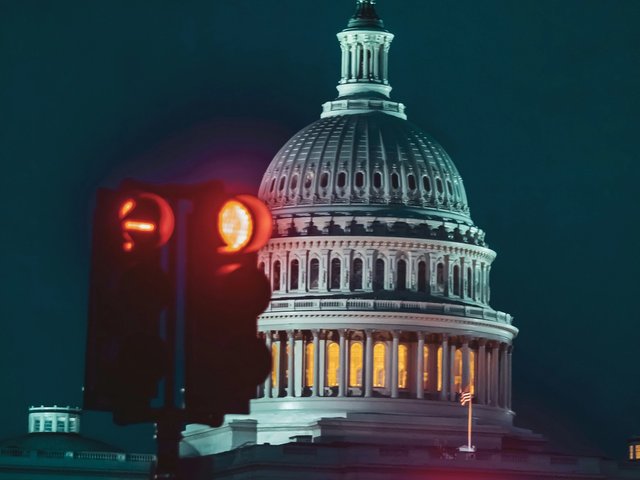
In a rare moment of bipartisan agreement on Wednesday (10 December), the US Senate unanimously passed the Holocaust Expropriated Art Recovery (Hear) Act of 2025. The bill, which would extend and expand the original Hear Act of 2016 (due to expire at the end of 2026), now heads to the House of Representatives; if it is passed there, it will head to the desk of US president Donald Trump to be signed into law.
The bill’s advancement was applauded by organisations that support the restitution of Jewish property stolen during the Holocaust, including the World Jewish Restitution Organization (WJRO) and Art Ashes.
“This bipartisan effort will assist Holocaust survivors and their families who are seeking the return of artwork now held in museums and collections across the United States,” Mark Weitzman, WJRO’s chief operating officer, said in a statement. “By clarifying and strengthening the legal framework, the bill helps ensure that these claims can be evaluated on their merits, advancing justice and accountability.”
Joel Greenberg, the president of Art Ashes, concurred in a statement framing the Senate vote as “an important step towards restoring a fair and just path to restitution for Holocaust survivors and their families”.
The Hear Act of 2016 remedied obstacles to Nazi-era art-restitution cases created by state statutes of limitations, granting a national six-year time limit to sue after the claimant’s actual discovery of certain aspects of their claim. If signed into law, the new bill will maintain that six-year limit and deny certain defences that can currently be raised in such cases, including delay in bringing a claim, prolonged and unchallenged possession, and seizure within its own borders by a foreign state of its citizens’ property.
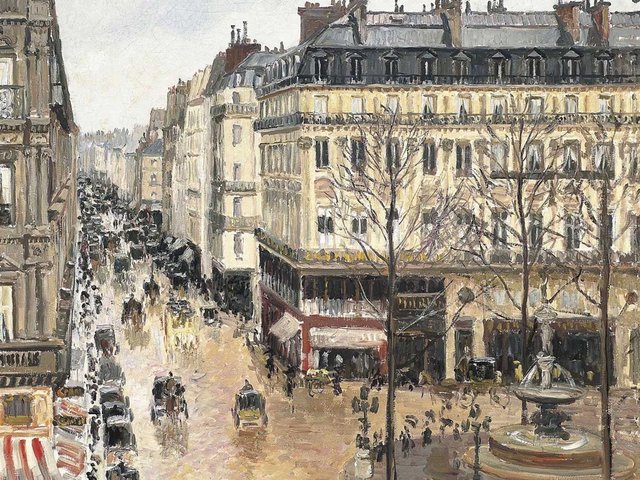
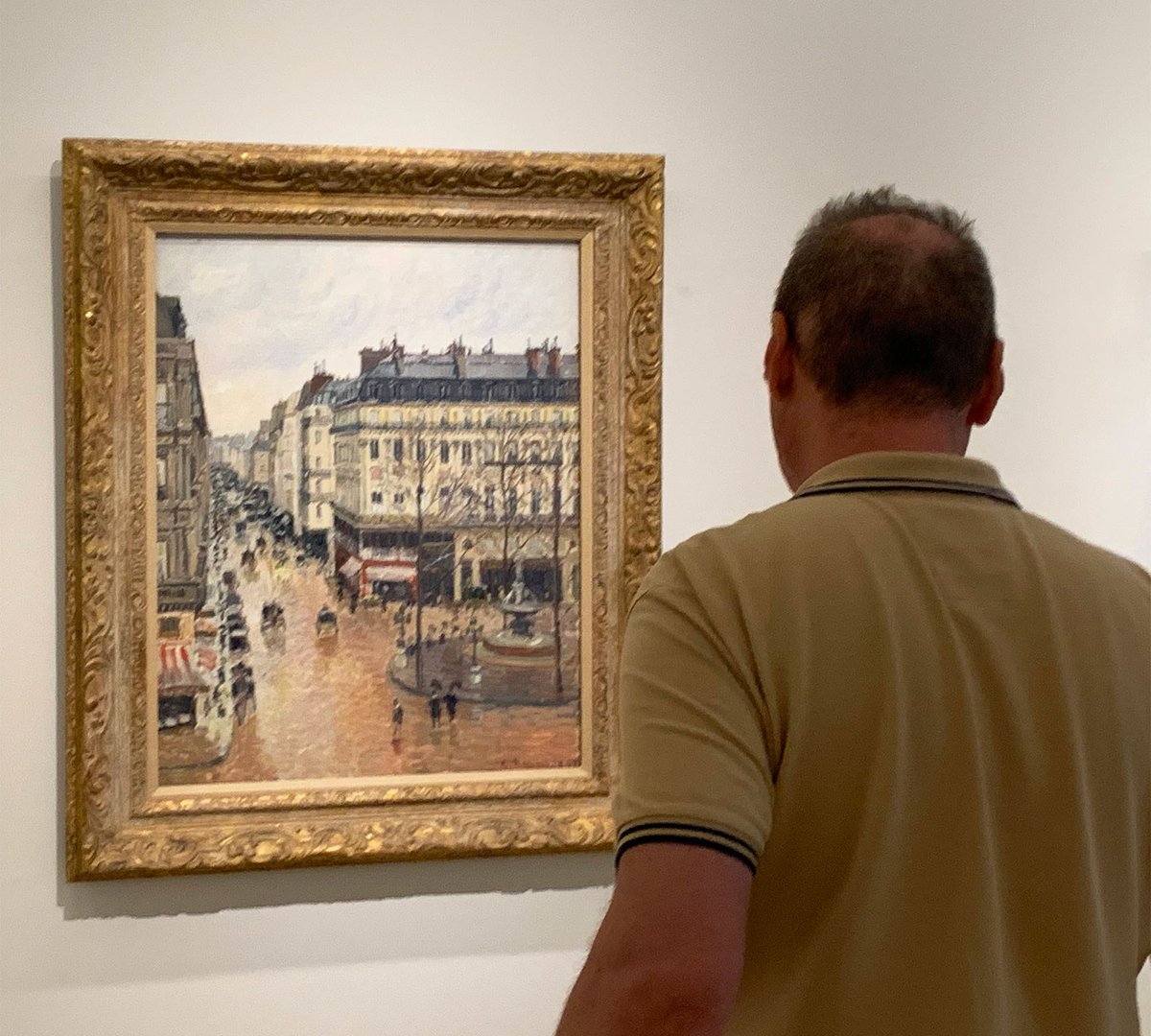
The Hear Act of 2025 would also preclude the ‘international comity’ doctrine, under which courts in the US can decline to hear cases involving foreign nations and their laws or judgments. That doctrine has played a role in several long-running restitution claims, including one brought in California by the heirs of Lilly Cassirer Neubauer, whose looted Camille Pissarro painting Rue Saint-Honoré, dans l'après-midi. Effet de pluie (1897) is in the collection of the Museo Nacional Thyssen-Bornemisza in Madrid. The US Supreme Court sent that case back to a federal appeals court earlier this year to reconsider who owns the work in light of a new California statute that changed the governing law of the case.