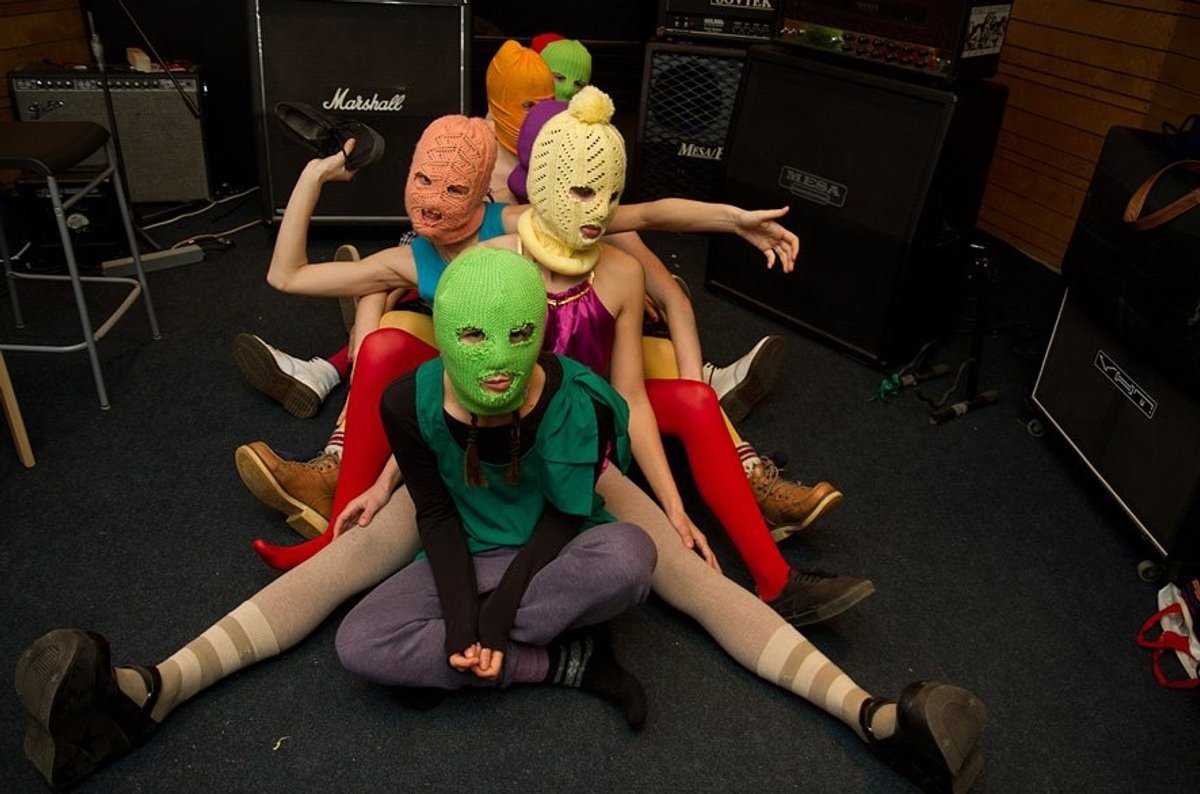
A Moscow court has today ruled the feminist punk protest collective Pussy Riot to be an “extremist organisation”. The decision could see any individual or organisation found to be showing support for the collective’s actions or social media posts face the threat of prosecution.
A number of Russian writers and artists have previously been officially labelled “foreign agents” by the country's government, which is the first step towards the extremism categorisation and is enough to restrict the dissemination of their works. An extremism ruling can criminalise their very mention, and will effectively ban Pussy Riot's activities in Russia.
Nadya Tolokonnikova, a founding member of the group, spelled out the verdict's consequences in a recent X post. She told The Insider, a Russian investigative site that is blocked in Russia, that the goal of the ruling is “to erase the very existence of Pussy Riot from the consciousness of Russians”.
“A balaclava under your pillow, our song on your computer, or a like on our post—all of this can lead to a prison sentence,” she continued. “Pussy Riot have effectively become those-whose-name-cannot-be-mentioned in Russia.”
“When we were on trial for our Punk Prayer, we told the judge and prosecutors that even though we were in a cage, we were still freer than them. A decade and a half later, that's still true...If refusing to keep your mouth shut is extremism, then so be it, we'll be extremists.”
The group’s lawyer, Leonid Solovyov, told Russia’s state-owned Tass news agency about the ruling, which was handed down in a closed hearing. He said it takes effect immediately and that an appeal is planned.
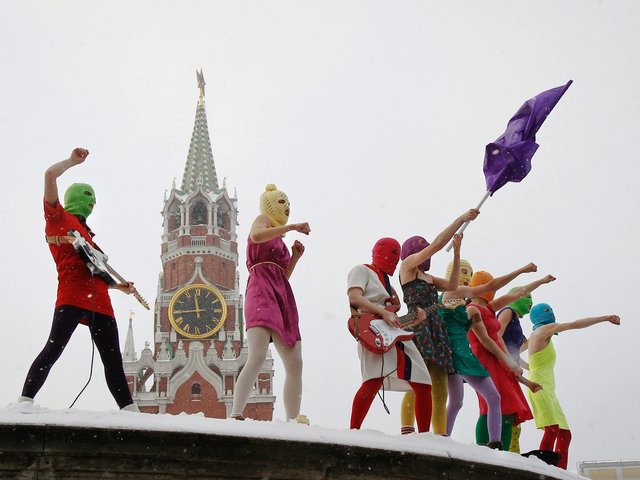
Pussy Riot rose to fame after two of its members, Tolokonnikova and Masha Alekhina, spent nearly two years in prison for their prescient 2012 work, Punk Prayer. The performance, which riled against Russian president Vladimir Putin and Patriarch Kirill of the Russian Orthodox Church, saw the pair don colourful balaclavas inside Moscow’s Christ the Saviour Cathedral.
Following Russia’s full-scale invasion of Ukraine, and as the Kremlin intensified its crackdown on free speech, both artists fled the country. Alekhina escaped with the help of the Icelandic performance artist Ragnar Kjartansson.
In September 2025, another Moscow court sentenced five of Pussy Riot’s members to eight to 13 years in prison in absentia for spreading “fakes” about the Russian military.