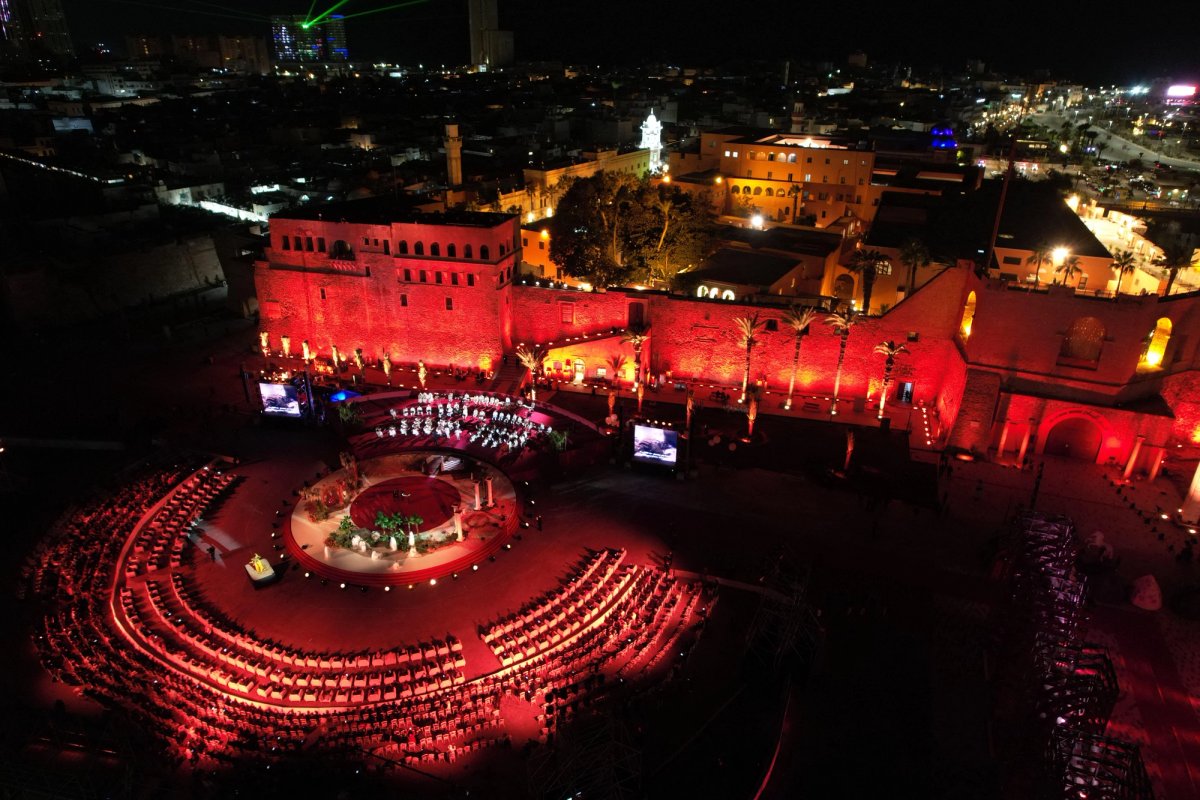
The reopening of the National Museum of Libya on 12 December has been widely celebrated across the country—seen by many as both a national beacon and a symbolic show of stability. The space had been closed since 2011, following the regime change that toppled the late dictator Muammar Gaddafi and ushered in years of political chaos and civil war.
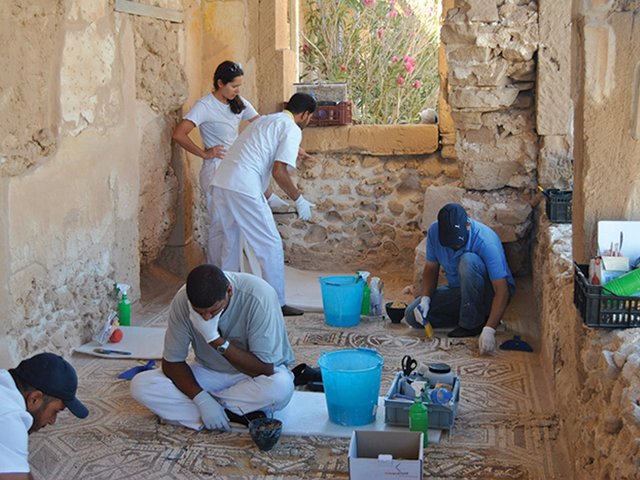
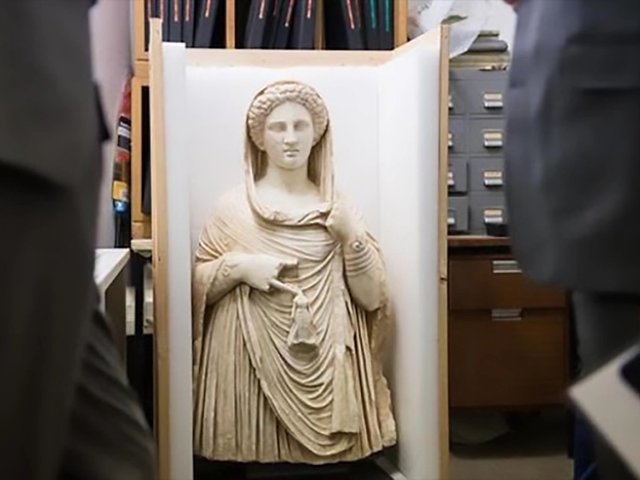
Located in a historic building in Tripoli’s old town known as the Red Castle, or Al-Saraya Al-Hamra, the museum was first established by the colonial Italians in 1919 and later expanded by the British in 1948. Gaddafi opened a state-of-the-art museum on the site in 1988, with a collection spanning ancient tribal traditions, thousands of years of Libyan culture and Islamic architecture and natural history. With design assistance from Unesco, a comprehensive restoration project was launched in 2023, aiming to modernise the institution to international standards.
The Libyan archaeologist Hafed Walda told The Art Newspaper that the museum's re-opening “represents a historic step that confirms that Libya, with the help of Allah, has begun to walk on the path of stability and consolidation of national identity. This event reconnects our attendees with our ancient cultural heritage and embodies the will of Libyans to protect their collective memory and preserve their civil legacy.”
Walda, a former Libyan ambassador to UNESCO, added: “We look forward to this step being the beginning of an integrated path that reimagines our archaeological sites, supports artists and cultural mentors, and transforms memory spaces into vibrant public spaces, promoting reconciliation and collective ownership.”
Yet, according to Victoria Leitch, the general secretary of the British Institute for Libyan and Northern African Studies, heritage sites in Libya still face “multiple challenges”. Four out of five of the country’s Unesco World Heritage Sites have been listed as endangered since 2016, the exception being the ancient pre-Saharan city of Ghadamès, 450km south-east of Tripoli, the status of which changed this year.
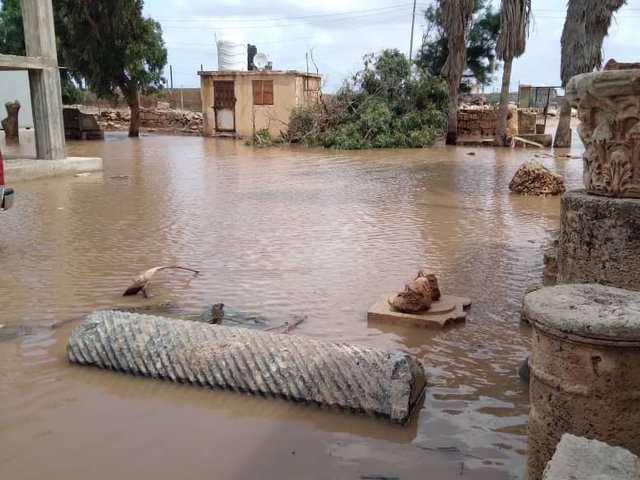
Some sites suffered significant damage during armed conflict after 2011, while others have been exposed to coastal erosion and climate change, or been damaged by commercial development. There is also, Leitch says, “trafficking in stolen artefacts linked to human trafficking and drugs”.
However, the archaeologist, who worked on sites in Libya from 2006-2011, is optimistic about the future of the country’s heritage, citing the return of many foreign archaeologists and even a possible return to cultural tourism. She credits the Libyan people and their pride in their heritage for its survival during dark times, and sees the re-opening of the museum as a “new beginning”.