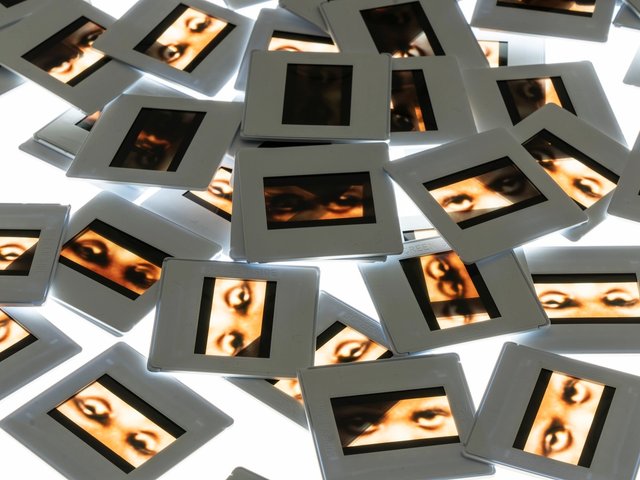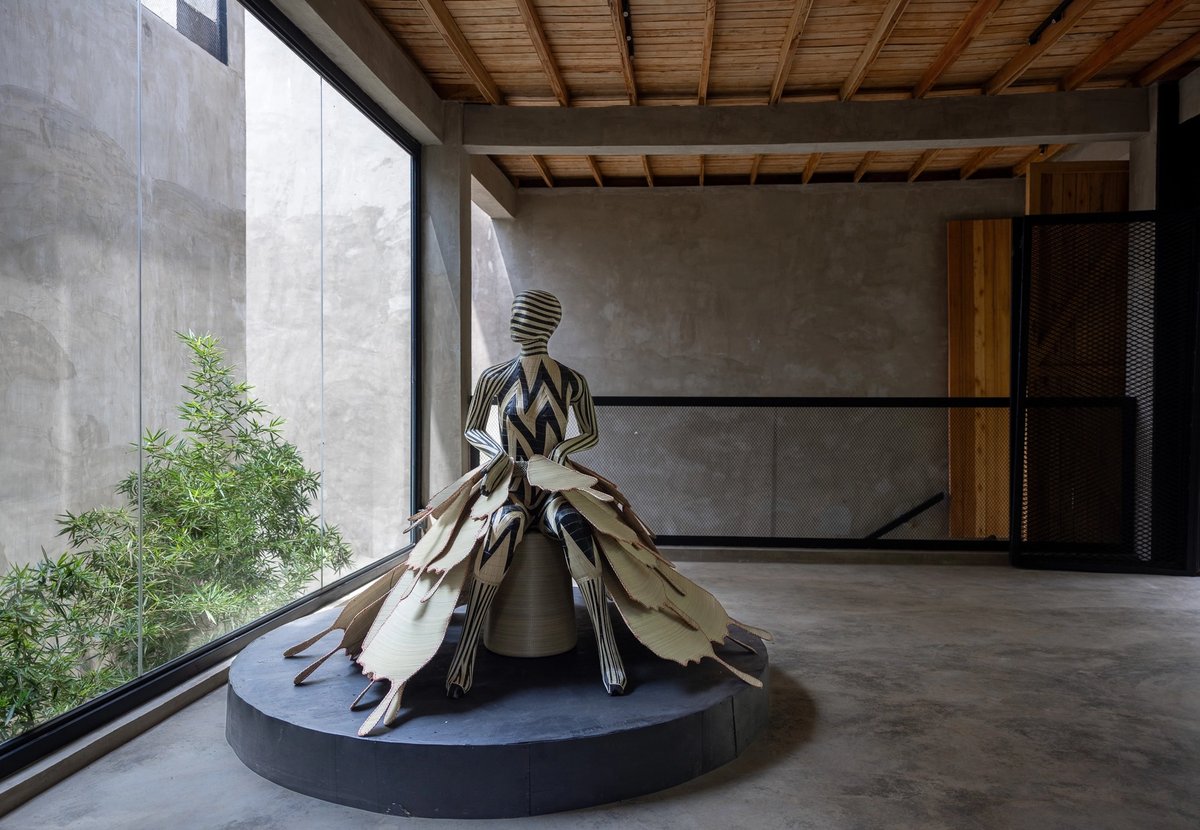
The Gihanga Institute of Contemporary Art (GICA), which opened this week in Kigali, Rwanda, is a first for the country: a new non-profit centre dedicated to promoting Rwandan art, culture, and history while encouraging local and Pan-African artistic exchange.
GICA aims to fill a gap in the country's art infrastructure, which receives limited support compared to sectors such as technology and sports that benefit from global partnerships and established hubs in Rwanda, including the Kigali Innovation City initiative, the so-called Silicon Valley of Africa.
The new centre is founded by Kami Gahiga, a contemporary art curator and advisor based in Kigali and London, who is also the VIP representative for African countries at Art Basel, along with GICA co-founder Kaneza Schaal, a New York-based artist and educator. “Before we started thinking about the design of GICA, we wanted to create a multidisciplinary art space because there are so many different forms of art that we want to celebrate,” Gahiga tells The Art Newspaper. She focuses on management and strategic vision while Schaal brings an artist's perspective.
The institute, designed by Rwandan architect Amin Gafaranga, was originally developed as a private residence project. After five years of discussions between Gafaranga and Gahiga, their idea became a physical space in the last two years. Gahiga visited the unfinished building, recognised its potential as a public cultural centre, and envisioned it as an art institution, drafting a manifesto in one day. The space, simple yet intentional, features Rwandan-made furniture and local items.
Initially, the art institute was partly self-funded, with works loaned by family, friends, and their art community. Crucially the Mellon Foundation in New York supported GICA during development with programme director Justin Garret maintaining a collaborative relationship, reflecting the foundation's history of backing non-profit organisations like Zeitz MOCAA in Cape Town.
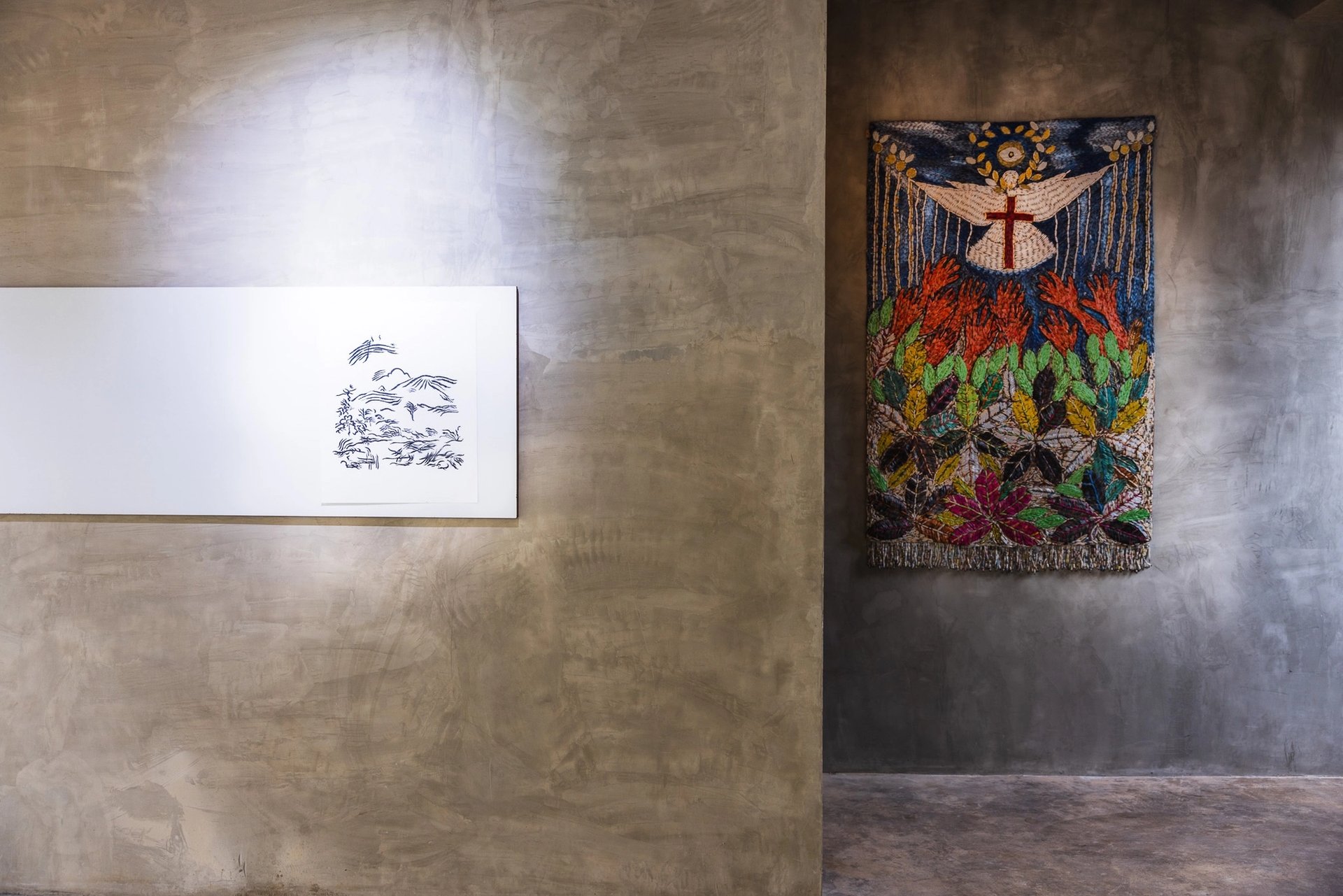
Sanaa Gateja, Revival (2024) and Christian Nyampeta When Rain Clouds Gather (2021)
Courtesy of Gihanga Institute of Contemporary Art. Photo: Aniket Uke
GICA is located at the heart of the city and situated in an area known as the Soho of Kigali, a neighbourhood featuring small boutiques, concept stores, and restaurants. Accessible to all, it comprises various rooms, including an exhibition space, a reference library, screening room, storage facility, a studio and residency space for art professionals and writers. The aim is to facilitate critical dialogue and encourage intellectual and spiritual exchange.
The reference library is curated by Christian Nyampeta, an artist and filmmaker, and is part of GICA's inaugural exhibition Inuma: A Bird Shall Carry the Voice, featuring artists Kaneza Schaal, Sanaa Gateja, Francis Offman, Feline Ntabangana, Cedric Mizero, and Innocent Nkurunziza who are all Rwandan. Inuma means dove in Kinyarwanda, symbolising peace and love, inspired by a biblical verse. The exhibition explores faith, belief, and the power of subtle expression—highlighting a Rwandan cultural trait of conveying strong messages through quiet, understated means.
The choice to feature the library as the first entry point to the space is intentional. “It's intentional because before all the exhibitions, we want to create this dialogue between the importance of documentation, informing yourself about the arts and then creating context to the artist’s works,” Gahiga says. It’s a room for conversations, relaxation, and reading with a view.
This ethos is reflected in its name which honours the founding father of Rwanda, Gihanga I, a tenth-century cultural hero credited with shaping Rwanda’s traditions, cultural practices and technological advancements. The institute seeks to challenge the trend of African art moving solely to the West by building strong cultural institutions on the continent, aligning with a broader movement of arts professionals investing in cultural infrastructure.
“When you see Yinka Shonibare with Gas Foundation [in Lagos], Michael Armitage with NCAI (Nairobi Contemporary Art Institute)and Kehinde Wiley with Black Rock Senegal, there are artists, collectors and philanthropists who are thinking that while it's great to see the recognition of artists from the continent abroad, we also need a balance between what's going on internationally and what's happening here, because it contributes to the stability of the arts scene,” Gahiga says.
Creating GICA is a collective effort that has faced logistical challenges and difficulties scaling the formation of a non-profit art institute as well as introducing the local community to a non-commercial space that is new to Rwanda. Its mission is to build a balanced art ecosystem, employing an interdisciplinary approach that includes writers, scholars, painters, and filmmakers to facilitate the travel of ideas and collaborative creation. GICA is supported by private and public partnerships through RwandAir, Kivu Noir and Skol, all Rwandan-based organisations.
Rwanda has a complex history but initiatives such as GICA could seek to help reshape the narrative and foster a unified national identity among Rwandans and in nation-building. As a love letter to the country’s traditions, Gahiga emphasises the institute's independence. “At the same time, we notice the value of collaboration, such as public and private collaborations, partnerships with artists and other art centres,” like the Ministry of Youth and the Arts and the Kigali Triennial, founded by Sophie Cabano and Dorcy Rugamba.
“There's a will to push forward and develop the contemporary scene here, but there's a real sense of encouragement and excitement in the city. It's also been great to have independent thinking in programming, without being closed off as a silo, and to operate within the ecosystem, not just in the country but also within the region itself,” Gahiga says.