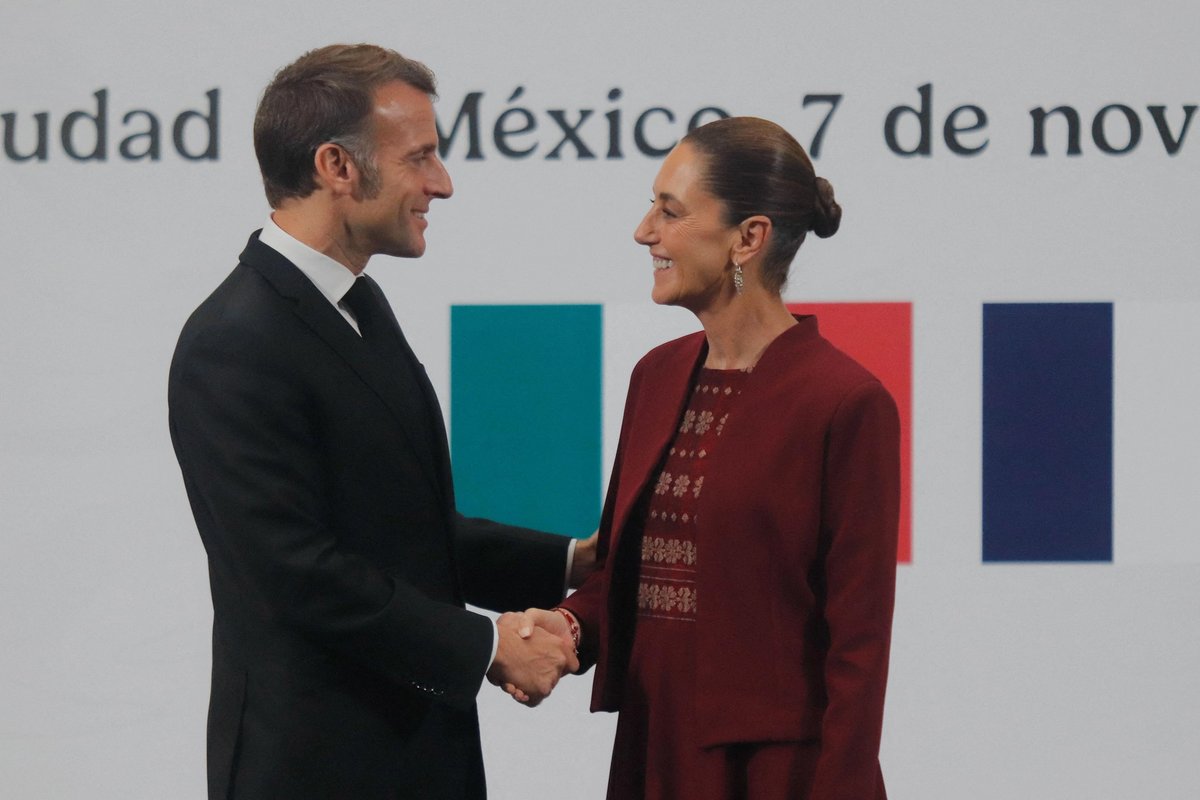
During French President Emmanuel Macron’s visit to Mexico in November, he and Mexican President Claudia Sheinbaum agreed to simultaneous loans of two colonial-era codices: the Codex Azcatitlán, held in the Bibliothèque Nationale de France since 1898, and the Codex Boturini, kept in Mexico’s Biblioteca Nacional de Antropología e Historia. Both are rarely exhibited and seldom travel due to conservation concerns.
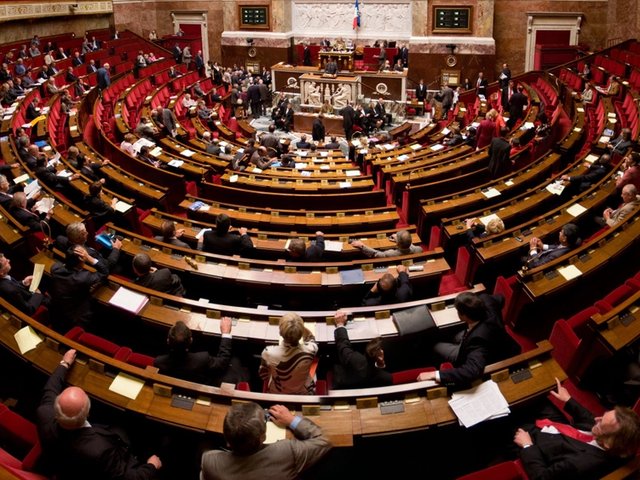
The exchange is part of a cultural programme marking the 200th anniversary of relations between France and Mexico, but it has brought new momentum to a long-running campaign calling for the restitution of codices to Mexico, including the Aztec-era Codex Borbonicus, held at the Bibliothèque de l’Assemblée nationale in Paris.
The codices being exchanged on loan both narrate the Mexica migration from Aztlán to Tenochtitlan. The 16th-century Codex Boturini focuses on mythical migration and is named after the Italian historian Lorenzo Boturini, who collected several documents before being forced to return them and leave New Spain in 1743. After passing between several owners, the codex has remained in Mexico since 1825.
The Codex Azcatitlán, long believed to date to the mid-16th century, was redated in 2017 by the scholar María Castañeda de la Paz to the second half of the 17th century. Alongside the Mexica migration, it depicts Indigenous rulers, Spanish conquest and the early years under colonial rule.
“Azcatitlán was based on previous models, including the Boturini, and reflects Indigenous dynamics in New Spain,” Castañeda says. “It belongs to a group of codices likely made in the same San Sebastián Atzacoalco workshop to fabricate the noble lineage mainly of Don Diego García, who lived there, securing prestige in a largely illiterate community.” Codex Azcatitlán also once belonged to Boturini; after changing hands several times it was acquired by the French collector Eugène Goupil and, in 1898, his widow donated it to the Bibliothèque Nationale de France.
Calling codices home
Mexico’s efforts to secure the return of codices is part of repatriation efforts spearheaded by the former president Andrés Manuel López Obrador (Amlo). In 2020, Amlo’s wife, Beatriz Gutiérrez Mueller, requested loans of the Codex Borgia and Codex Vaticanus from the Vatican. However, in 2021 Pope Francis donated facsimiles of the codices. “Our greater interest lies in the repatriation of these codices, which are important to Mexico,” Sheinbaum said in October when she announced Macron’s visit.
Since 2023, petitions demanding restitution of the Codex Borbonicus have included the Nahñu people of Otomi origin in the Mexican state of Hidalgo, who consider themselves its rightful owners. The codex has been kept in the Bibliothèque de l’Assemblée Nationale since 1826, when it was bought at auction; calls for its return to Mexico began in the 19th century.
“This is not only a restitution claim but a vindication and demonstration of Indigenous peoples’ strength,” says Emilia Mendoza, a spokesperson for Frente de Defensa de la Cultura Ancestral, a group advocating restitution.
However, the codex’s restitution faces obstacles. A pending bill in France states that restitution requests must concern items acquired between 1815 and 1972 that were allegedly stolen, looted, sold under duress or given by someone without authority. The bill is seen as unlikely to pass. On the Mexican side, things are also complicated. “Codices’ repatriation relies on goodwill as they were acquired before the 1972 heritage law protecting them, which adheres to the 1970 Unesco convention,” says Rita Sumano, an expert on Mexican heritage.
Whether the loans between Mexico City and Paris will influence restitution discussions remains to be seen. Mendoza says: “The loan is a good signal, but we want something permanent.”