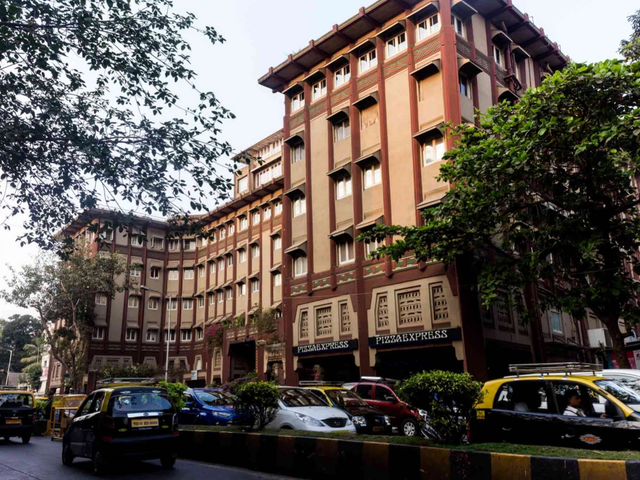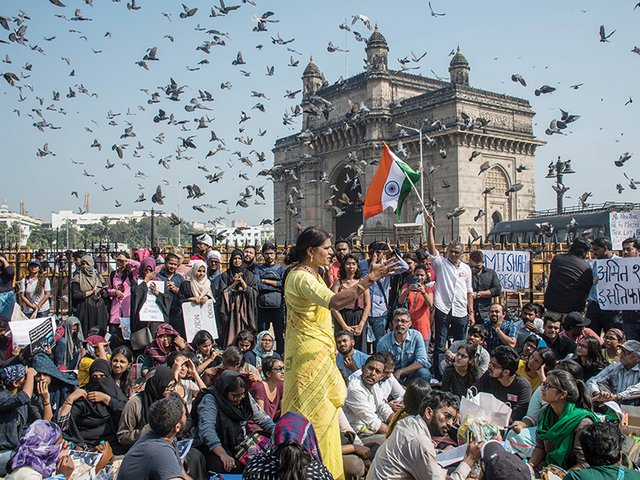
Situated in the southern tip of Mumbai, the neighbourhoods of Colaba and Fort are home to dock yards, grand colonial architecture and most of the city’s museums and contemporary art galleries. But as Mumbai's art scene grows, it is also expanding beyond its historic art district into the fashionable western suburb of Bandra and high-rise financial districts like Lower Parel and Worli.
The 14th edition of Mumbai Gallery Weekend (MGW, until 12 January) attempts to acknowledge this geographical shift by appointing as its co-leads two gallerists—Ayesha Parikh, of Art and Charlie, and Sanjana Shah, of Tao Art Gallery— who run spaces in Bandra and Worli, respectively.
Attempts were made "many years back" to bring Mumbai galleries to Bandra, says Shireen Gandhy, the director of Chemould Prescott Road in South Mumbai, but also a longtime Bandra resident. “We had a collective exhibition at the Taj Lands End Hotel in Bandra—a bit like an art fair, but with no segregation of galleries." Gandhy co-founded MGW in 2012, along with the other Colaba and Fort galleries Chatterjee & Lal, Sakshi Gallery, Gallery Maskara and Project 88.
The Midtown Arts Collective was later initiated by galleries based in Worli, Lower Parel and Bandra, who felt excluded by the South Mumbai focus of the city’s art ecosystem. “However, we realised that to do it together as a city, while being inclusive of all geographies, served the best interests of all and we have been part of the MGW since 2019”, says Tao Art Gallery's Shah. For the gallery weekend, she is staging a solo exhibition of terracotta works by Chippa Sudhakar.
When Tao started in 2000, their neighbourhood of Worli and the adjoining Lower Parel predominantly comprised of defunct mills and industrial complexes. It has since been transformed into a district of corporate head offices, luxury hotels and high-rise condominiums. “That has attracted a new generation of millennial buyers with significant private wealth to our side of the city who are actively purchasing and doing up houses, and interested in potentially investing in art in the long term,” Shah adds.
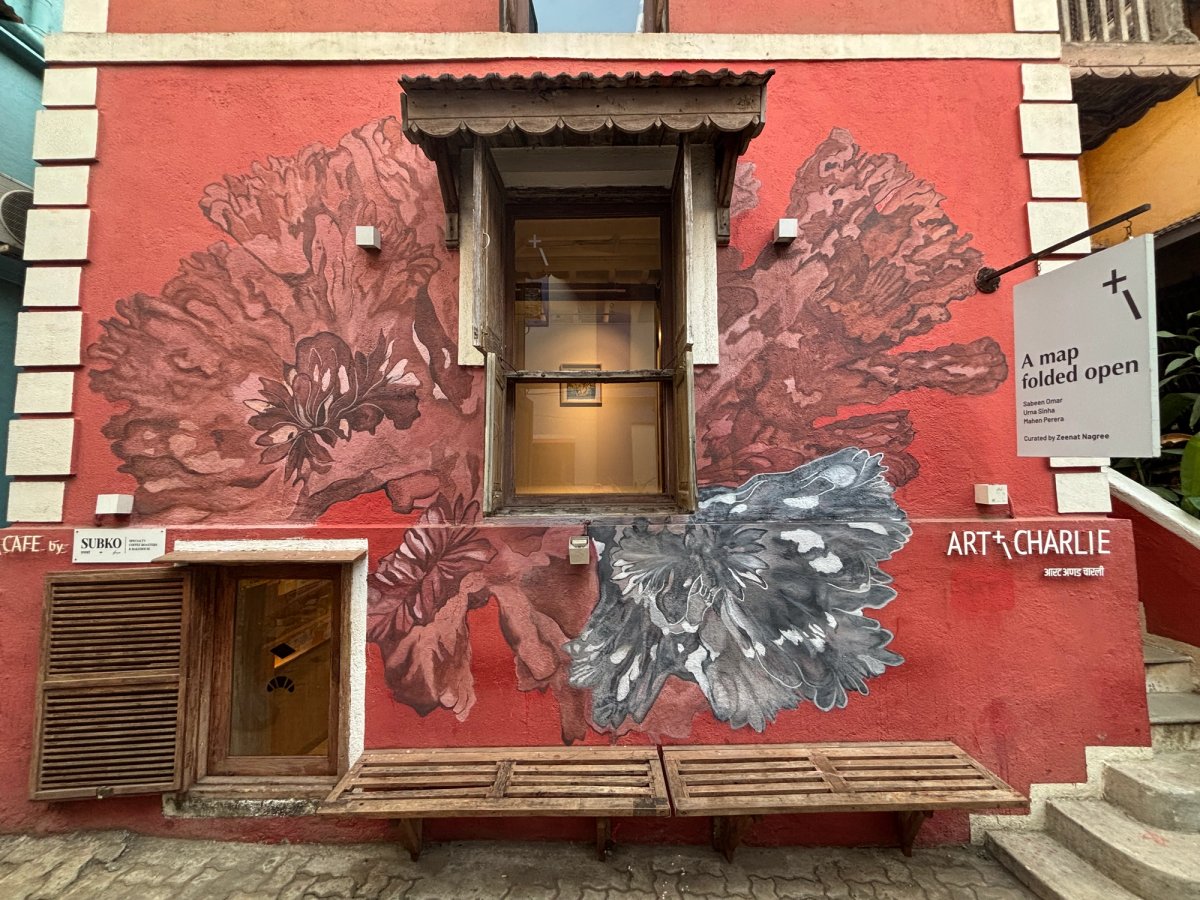
Parikh’s Bandra gallery Art & Charlie is currently holding A map folded open, a three-artist group show curated by Zeenat Nagree. Featuring the Sri Lankan artists Mahen Perera and Sabeen Omar alongside Urna Sinha, from West Bengal, the show uses maps and the act of tracing a route as its thematic hook.
Impressively for Mumbai, the gallery receives close to 500 visitors every week. “Bandra is a magnet for new restaurants and bars because it attracts young professionals—fashion designers, diplomats, lawyers, management consultants—who choose to live and spend time here,” Parikh says.
For Parikh, the sense of belonging goes beyond business and is rooted in community. Last month, she joined hands with other local businesses to organise a Christmas block party for residents of Pali Village—a historically Christian neighbourhood—and beyond. “That moment reaffirmed why this place matters to me. Leading with love instead of uniting in hate, is the spirit of Bandra," she says, referring to rising intolerance in India towards minorities and migrants.
The annual MGW remains a focal point for the city's galleries, and encourages them to stage their most ambitious and thought-provoking exhibitions. Started with only nine galleries, it has expanded to 33 in the current edition. “It was post-Covid that MGW really took off," Gandhy says. "Over the years, it has brought not only the galleries together but also wider audiences to contemporary art."
The city has also welcomed in recent years a major art fair, Art Mumbai, which will hold its fourth edition in November this year. However, Art Mumbai had only 21 Mumbai-based galleries participating this year, reflecting how MGW remains the more inclusive event, especially for newer galleries who prefer to activate their own spaces rather than pay high stand costs.
First timers this year at this year's MGW which were absent at the fair include the newly established galleries Muziris Contemporary and Fulcrum.
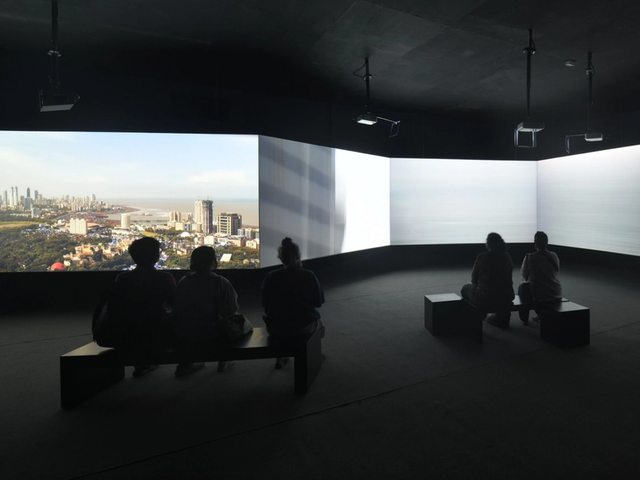
Among the highlights of this year's gallery weekend exhibitions are Mithu Sen’s polemic Where do Birds Dream at Dusk at Chemould Prescott Road, Prabhakar Pachpute’s return to Mumbai after ten years with his solo Lone Runner’s Laboratory at Experimenter and Ranjit Kandalgaonkar’s long term project cityinflux at Fulcrum, which examines the in-between spaces as the city of Mumbai relentless surges forward.