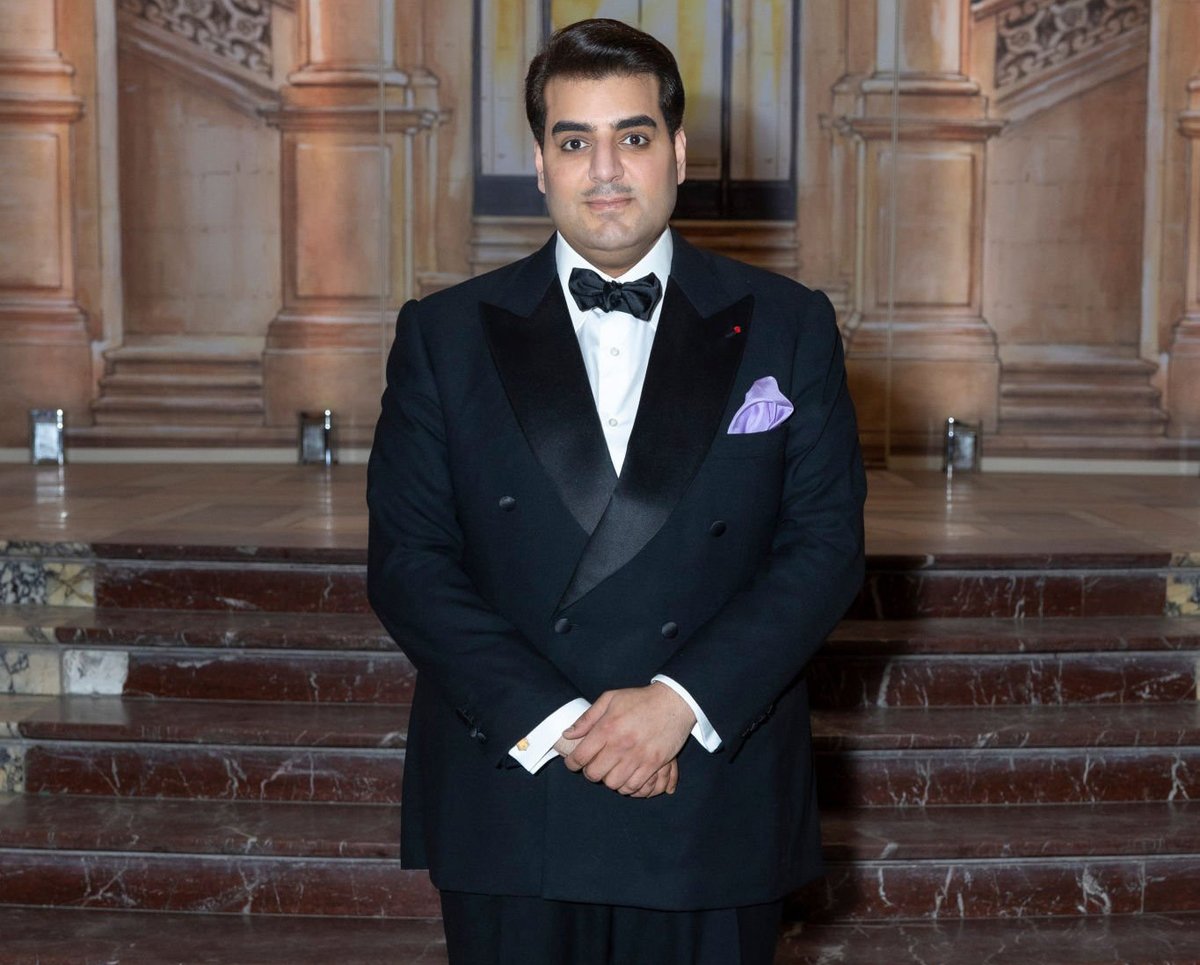
After eight years of legal wrangling, a French court has cancelled the sale of a Chinese vase, which was sold by the prestigious Galerie Kraemer to the London-based collector Sheikh Hamad bin Abdullah Al Thani, a cousin of the Emir of Qatar.
On 23 October, the Paris court of appeal ordered the gallery to repay €2.8m to the collector because of “serious doubts” about the 18th-century dating of the gilded bronze mounts of the porcelain vase.
According to investigators, the vase was sold for €815 in Brazil 20 years ago. It then passed through a Paris flea market and three antique dealers before being purchased by Laurent Kraemer for €180,000.
Sheikh Hamad bin Abdullah Al Thani acquired the vase in 2012 at the Biennale des Antiquaires in Paris. Four years later, after Galerie Kraemer was embroiled in several fake furniture cases (including one involving counterfeit royal chairs sold to the same collector, for which the gallery was acquitted of deception by gross negligence; it denies wrongdoing in the others), the sheikh had the item examined by the expert Sébastien Evain.
Possibly a 19th-century work
Evain concluded it was “highly improbable” that the bronzes dated from the time of Louis XVI, stating he had not “found any examples of a similar mounted vase” from that period. The expert also noted the object’s unusual height (108cm), the high level of lead in the alloy and the stylistic details, and that the gilding had been “altered” in a recent restoration. He suggested the vase may have been made around the 1840s.
Two other experts, Eric Thiriez and Marc Voisot, stated in reports provided to the court that the vase “could not have been mounted in the 18th century”, the latter suggesting it may be a 19th-century English “revival” work.
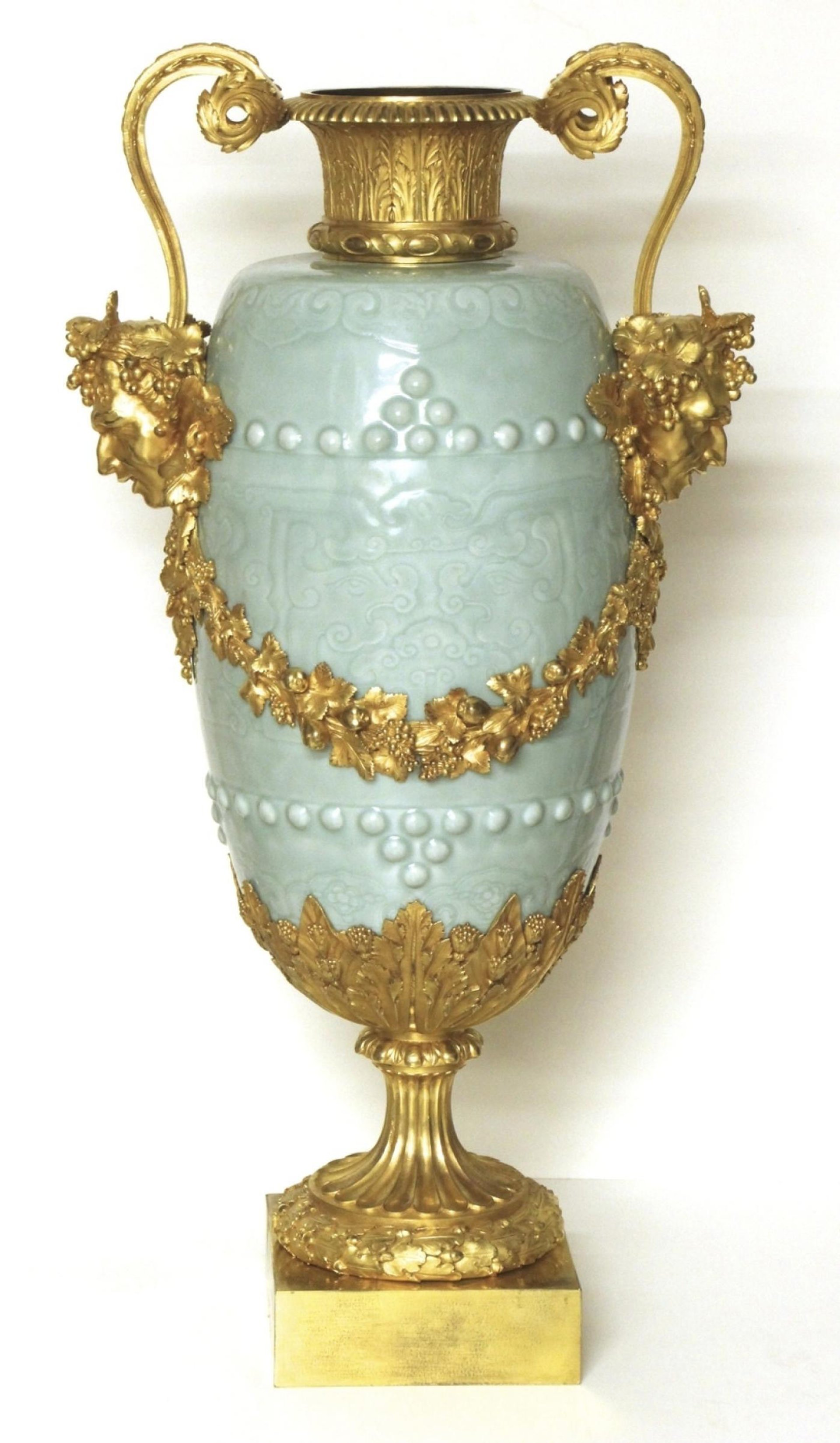
Experts raised questions about the vase’s gilded bronze mounts, suggesting the piece was created later than claimed
But an expert commissioned by the gallery, Gilles Perrault, who did not see the object in person, countered these claims. After analysing Evain’s report and viewing 76 photographs of the bronze mounts, he concluded it was “certainly an 18th-century manufacture”. His opinion was supported by another expert, Guy Kalfon, who also only saw photographs.
In 2021 a commercial court rejected Sheikh Hamad’s claim, judging that Evain’s arguments were unconvincing, pointing out that “the examinations by three consultants and two laboratories” put forward by the collector “contradicted each other” on several points.
Evidence of ‘artificial ageing’
However, in 2022, the French Museums’ laboratory, commissioned by the judge leading a parallel criminal investigation on this sale, submitted another evaluation. It stated that the composition of the metal in the mounts was “not incompatible with the 18th century”, but a faun on the decoration showed “the probable use” of a soft mould for its casting (a technique using gelatin that emerged in the 1840s). The laboratory also noted that the gild had been “deeply reconditioned” since the vase’s arrival in Paris, including what appeared to be “artificial ageing” of the patina.
The court of appeal ruled that “meticulous examinations by competent specialists”, who examined the work by sight, raised “serious doubts”. This was sufficient for the court to annul the sale, even though the creation date could not be ascertained.
Mauricia Courrégé, the lawyer for Galerie Kraemer, says she is “disappointed by a ruling, which does not deal with the content of each study”. She adds: “All dealers should be concerned that it only takes a couple of experts to raise doubts about dates to cancel the sale of such a marvellous object.” The gallery says it will appeal the decision.