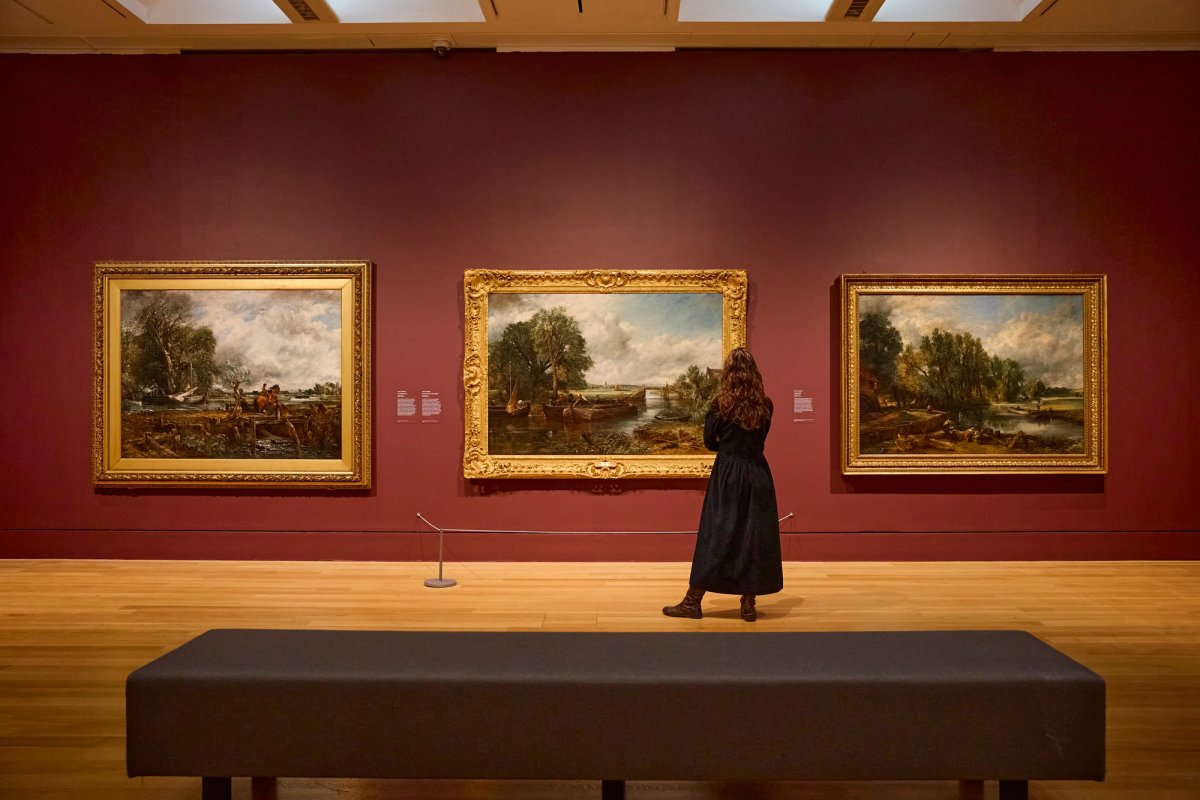
I hesitated about going to London to see the Old Master sales. A £400 train from Scotland was scheduled to take almost five and a half hours, not far off 1970s speeds. But the lure of Tate’s new Turner and Constable show tipped the balance, so I paid up and went.
There was quite a buzz in the salerooms. Auctions the previous week in Paris had produced some eye-catching numbers, including €12.4m for a Guido Reni David and Goliath. Were these signs of an Old Master breakthrough?
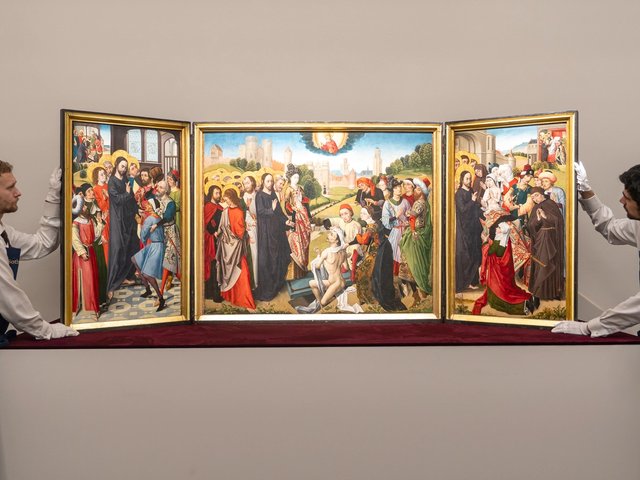
As ever with a market that spans four centuries of shifting tastes, the signals were mixed. At Sotheby’s, an exquisite late 15th-century Flemish triptych discovered in a Dorset almshouse made £5.7m, more than twice its low estimate, while a Hans Eworth portrait of the 4th Duke of Norfolk made £3.2m, a record for an Elizabethan portrait (it was bought by the present Duke of Norfolk, a rare reversal of the norm). Christie’s top lot was a superb Gerrit Dou, A Flute Player, which made £3.8m. In real terms that’s a return of more than 500% on the 3,500 guineas it made when it last sold in 1894.
But, as they never tell you in the auction rooms, the value of your bid can go down as well as up. At Bonhams, a Roman capriccio by Giovanni Paolo Panini last sold in New York in 2005 for $320,000 made just £44,800. Ouch. But back in 2005, Elizabethan portraits and Flemish triptychs were practically cheap. A tiny Ecce Homo by Antonello da Messina, estimated to sell for $10m to $15m at Sotheby’s this February in New York, may tell us more about the market’s health.
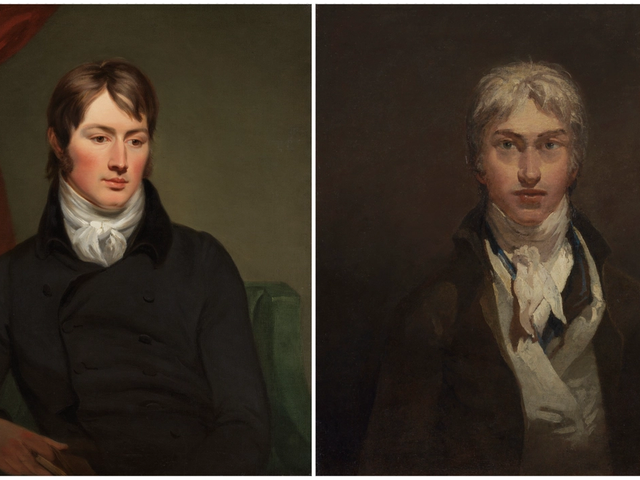
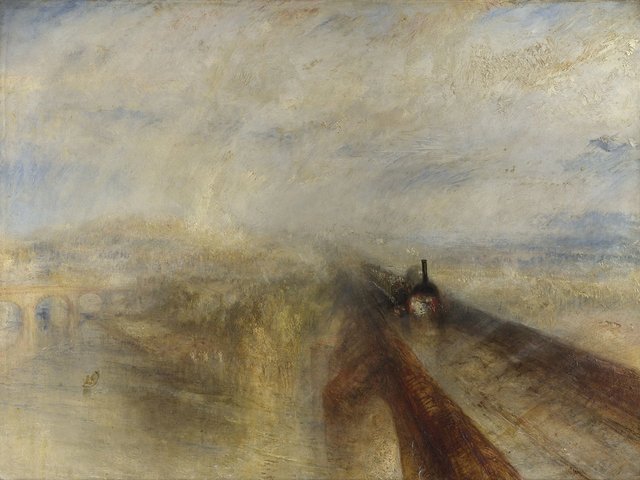
Loan exhibitions are so expensive these days I’d almost forgotten the pleasure of walking through a show with room after room of masterpieces. Tate Britain’s Turner and Constable: Rivals and Originals is a proper blockbuster. Do what you must to see it, even if it means getting the train.
Constable gets a Marxist drubbing
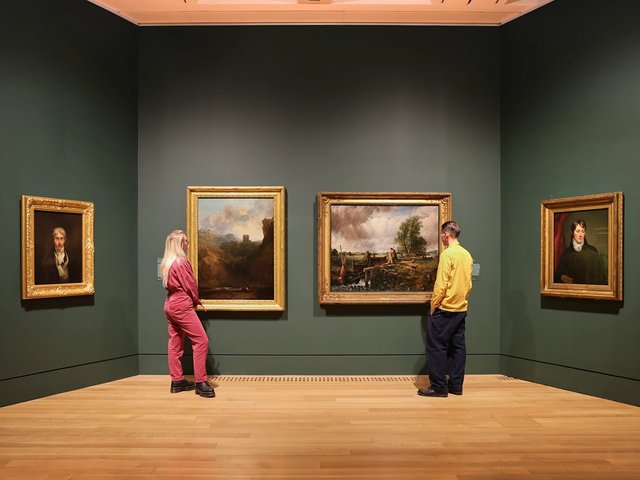
My only advice would be: give some of the labels a miss. Turner is treated well. But poor Constable! Here, the artist who made it his life’s mission to represent the “truth” of the landscape is cast as an anti-democratic reactionary. Tate repeats the accusation first made against Constable by Marxist art historians in the 1980s, that as the son of a rich miller and landowner, he helped the British elite craft a false image of rural life to avoid showing the reality of the poverty created by their grip on the land. “The basis of his social harmony,” said John Barrell of Constable in his famous book The Dark Side of the Landscape, “is social division.”
Thus, the exhibition’s labels tell us, for example, that Constable’s selective view of the world “gives little sense of the agricultural unrest and hardship of the period”. Hung just feet from this label, however, is Constable’s Stour Valley and Dedham Church (around 1815), in which two labourers are literally shovelling shit. This is somehow explained as a coded reference to marital fertility.
As I was muttering to myself about the excesses of Marxist art history, a woman came up to me in the exhibition. She was Russian and wanted to explain why Constable meant so much to her. Growing up in the Soviet Union, she had seen Constable, the miller’s son, presented as a democratising truth-teller of rural life, the painter who helped art break away from aristocratic idealisation. And she was glad to find, she said, that all the wonderful Constables around us confirmed that view. So perhaps the Marxists were right after all—the Russian ones, that is.