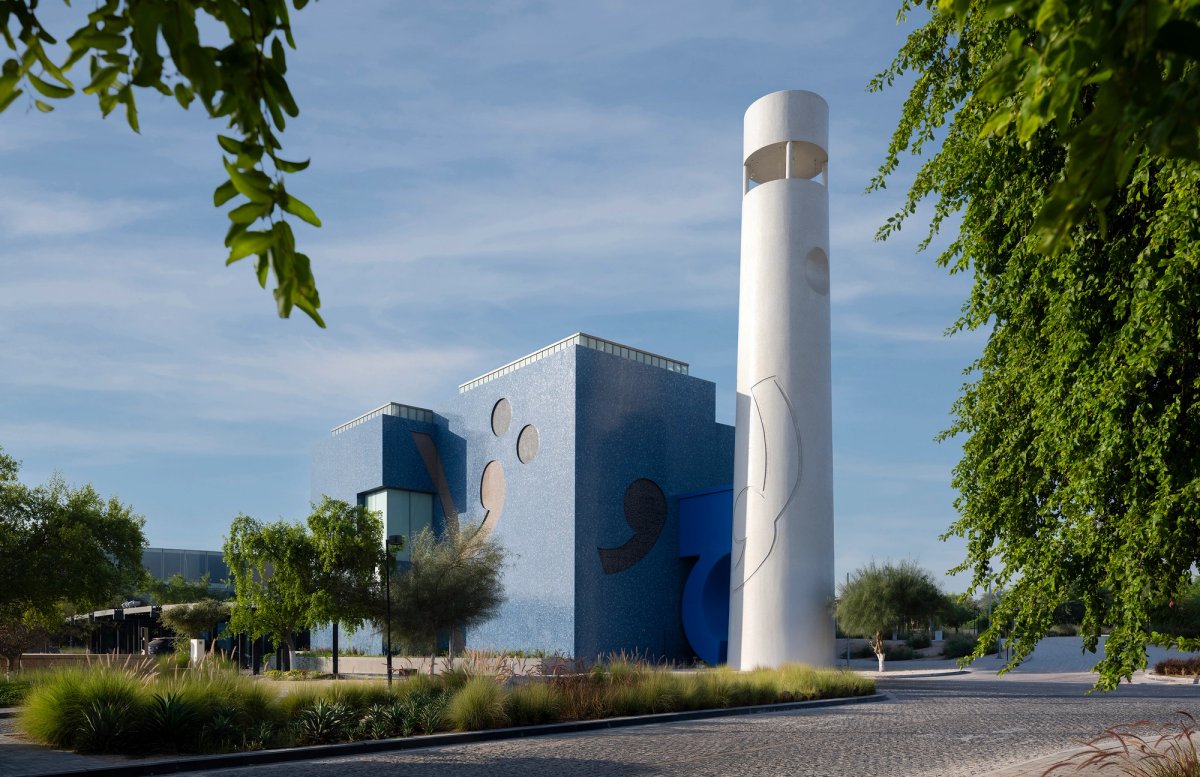
Lawh Wa Qalam, the name of the new museum that opened in Doha in November, translates from the Arabic as “the canvas and the pen”. It invites local and international audiences to have an immersive, transcultural encounter with one of India’s most influential modern artists, one who never stopped making art and believed that “the world is my canvas”.
Spanning more than 3,000 square metres, the museum documents the trajectory of the revered painter and film director M.F. Husain (1915-2011), from his politically charged early works in India to his explorations of Arab and Islamic heritage in Qatar.
The museum also adds to Qatar Foundation’s growing arts portfolio and complements the other cultural institutions in the country. It is the first museum created solely by the Foundation, a non-profit organisation dedicated to education, scientific research and community development. Located a few steps away from the Mathaf: Arab Museum of Modern Art—a partnership between the Foundation and Qatar Museums—Lawh Wa Qalam: M.F. Husain Museum forms a bridge between South Asian and Arab modern art.
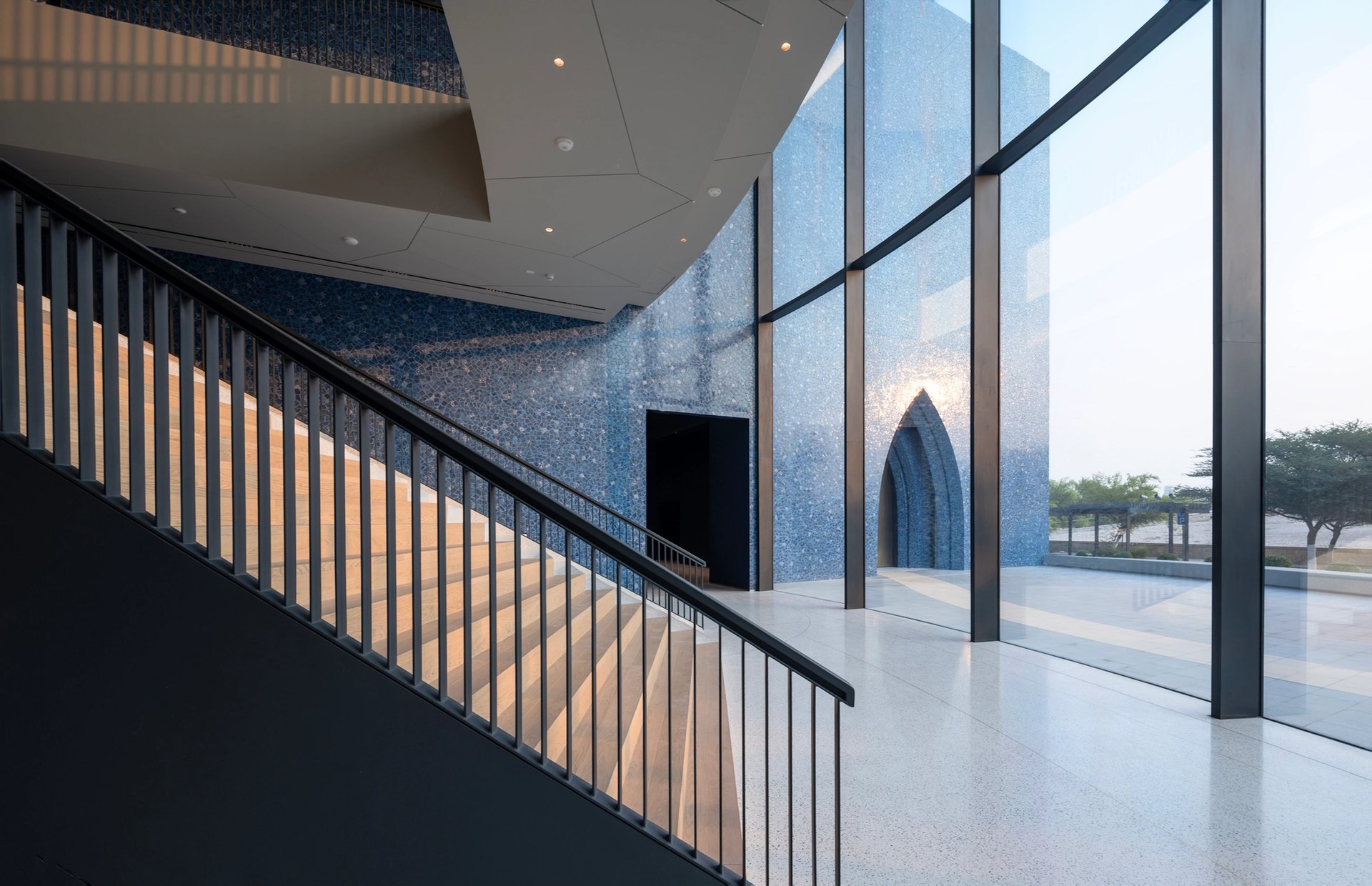
Inside Lawh Wa Qalam: M.F. Husain Museum, which opened in November and is devoted to the revered Indian artist Dany Eid Photography
“M.F. Husain envisioned this museum as a place where art, culture and artistic dialogue all converge. So if people leave knowing that this is the place for them to learn and exchange knowledge, that’s going to be a success in itself,” says Jowaher Almarri, Manager, Communications Outreach, Qatar Foundation.
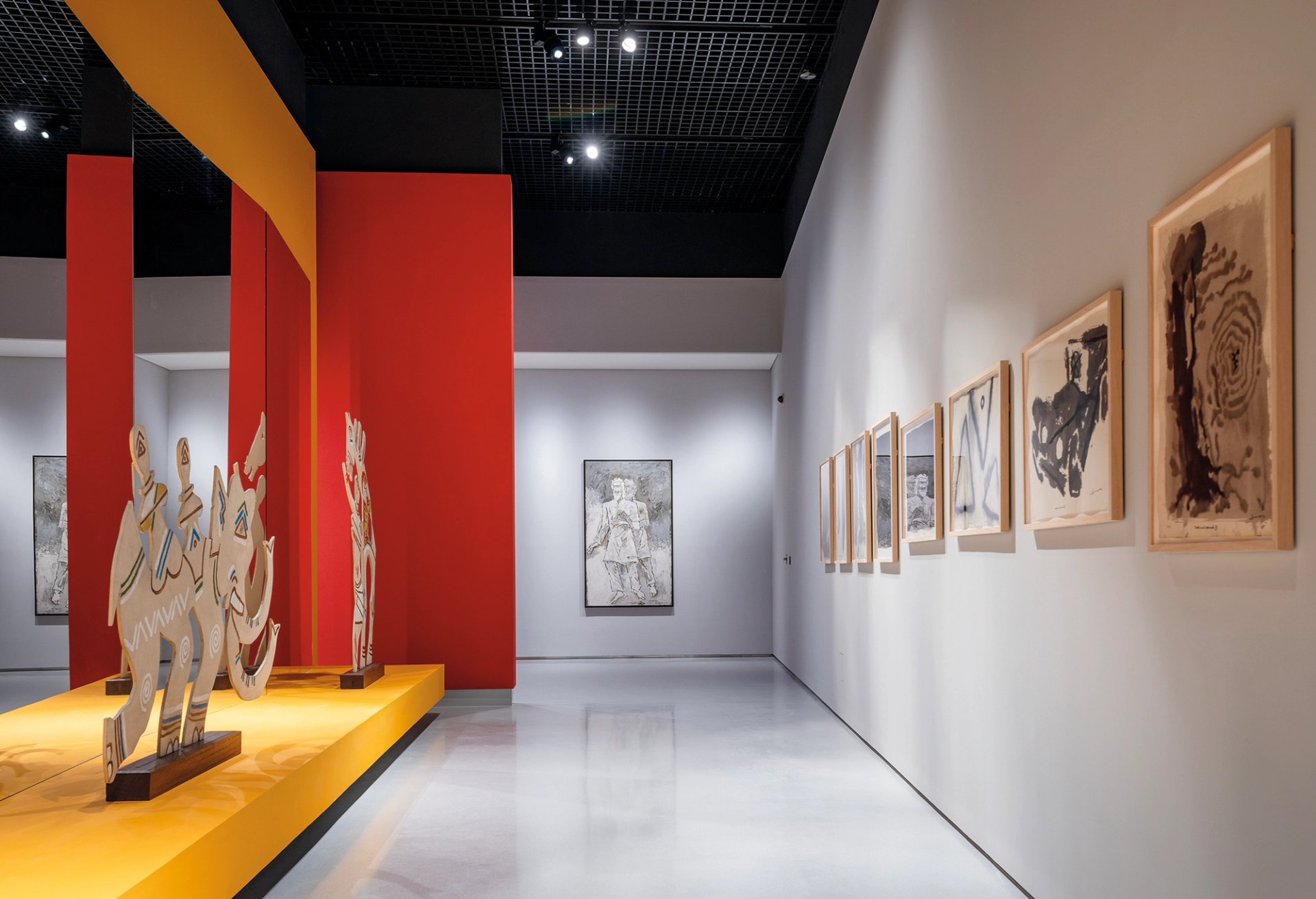
Though the collection of work that Husain conceived in Qatar acts as the nexus, the museum also brings together a significant selection of his earlier works, with more than 150 displays and objects, including paintings, sculptures, films, tapestries, personal items, photos, never-before-seen artworks and early, incomplete sketches tracing his thought process. The museum offers a comprehensive and eclectic record of Husain’s artistic evolution and allows visitors—especially those who are not familiar with his art—to understand his unique vision.
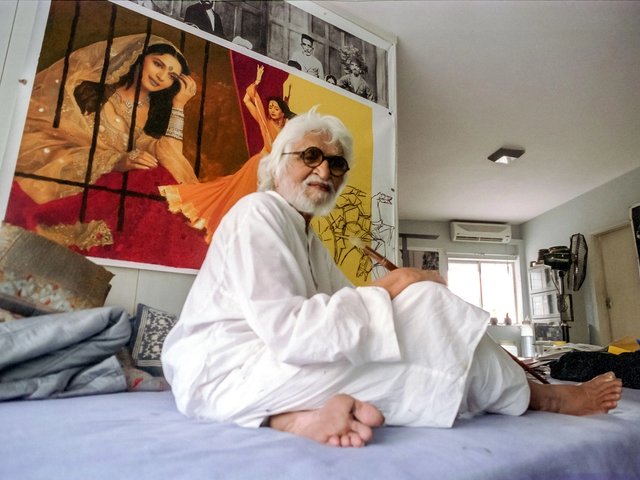
The idea of the museum was conceived by M.F. Husain (1915-2011) after he moved to Doha in 2008 Courtesy of Qatar Foundation
“A curator’s job is to try to tell a story and show the breadth of his work,” says Noof Mohammed, Curator of Lawh Wa Qalam: M. F. Husain Museum, and Project Manager of the Art Portfolio at Qatar Foundation. “Yet we also have a strict curatorial narrative that visitors can follow through the way the galleries and displays are arranged. There is a chronology to get people to understand how he started his career, how he evolved and how he ended it.”
Upon stepping through the entrance, visitors are immediately engulfed in movement, colour and the voice of the artist himself. Each gallery space starts with a quote by Husain, as if he is guiding them through the museum, Mohammed says. They engage with his thoughts on philosophy and religion through the Theorama series, culminating in his painting Humanism (2003), which articulates his belief that civilisations share a common spiritual foundation.
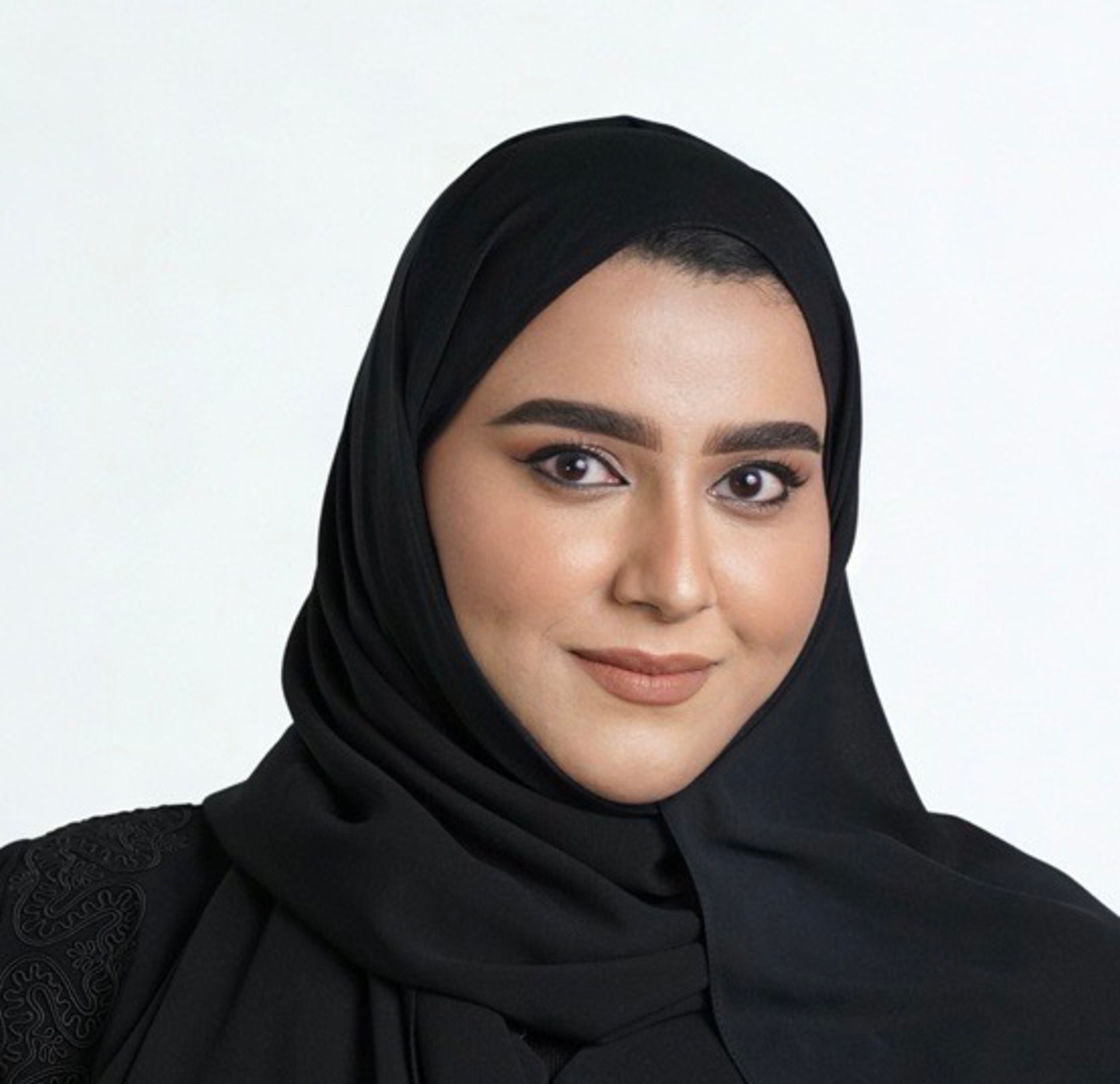
Jowaher Almarri, manager, communications outreach, at Qatar Foundation: "M.F. Husain saw this museum as a place where art, culture and dialogue all converge" Courtesy of Qatar Foundation
“He has taken symbols from all the religions,” says Amita Shenoy, an architect who worked as a curator for Husain’s now-closed museum in Bangalore for 11 years. “For him, everyone is in a quest for spiritual understanding; it is peace and spirituality we are all after. That comes across in this museum, his belief in faith and civilisations.”
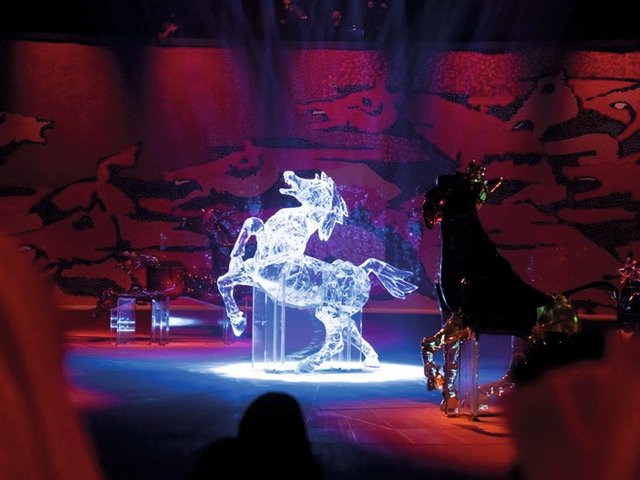
Visits culminate with a captivating kinetic installation, Seeroo fi al Ardh (Walk in the Land), which fuses art, science and technology—Husain’s final tribute to human ingenuity and the pursuit of progress. The installation is based on a detailed sketch by the artist and visitors can see preparatory sketches, maquettes and notes related to this final masterpiece.
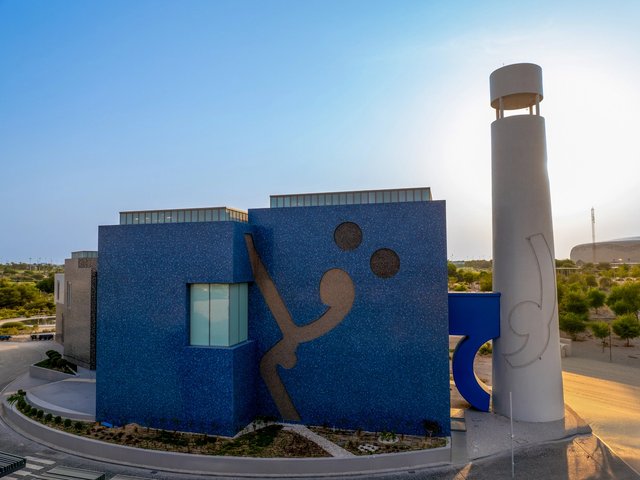
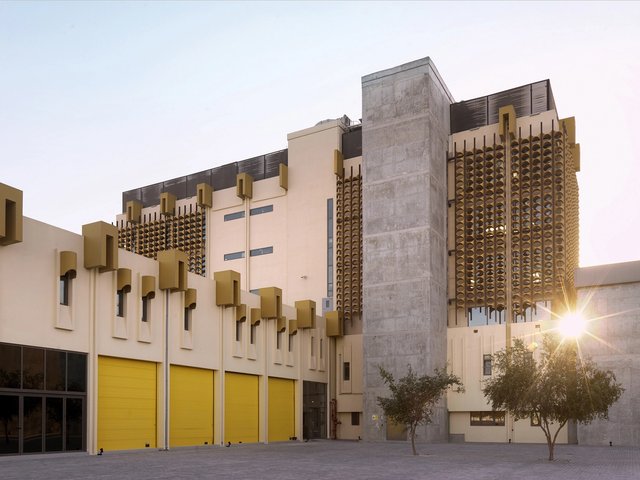
The idea of the museum was conceived by the artist after he moved to Doha in 2008 and he was commissioned by H.H. Sheikha Moza bint Nasser, co-founder and chair of Qatar Foundation, to create 99 artworks on Islamic civilisation, along with Seeroo fi al Ardh. He completed 36 paintings of the series—which are now housed in the museum—before his death in 2011 at the age of 95.Work on the museum’s development started after his passing, based on an original sketch by Husain, which was eventually realised by Indian architect Martand Khosla. The interplay of grey, blue and white, delicate arched doors and calligraphic details draw on the painter’s Arabian and South Asian heritage.
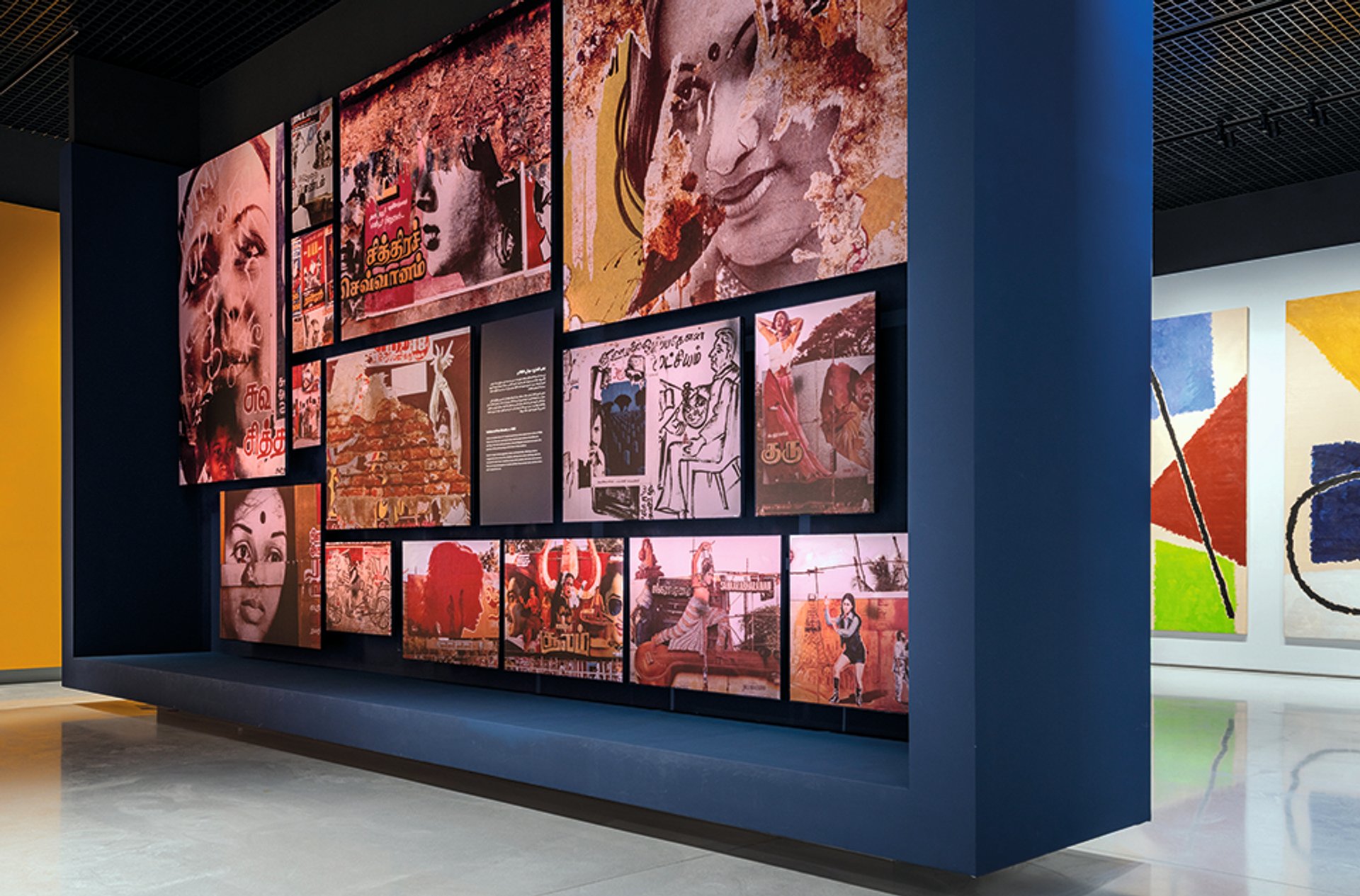
The museum's collection includes paintings, sculptures, films, tapestries, personal items, photos, previously unseen works and early sketches Courtesy of Qatar Foundation
For Shenoy, the museum is an extension of what was already started in Bangalore and “a continuation of that storytelling in a more global narrative”. “The Bangalore museum reflected his art, the pulse, the way he lived, and it had a warmth and intimacy. I feel that [here], the soul is the same,” she says. “There has been a growing need in the past few years to not only showcase Husain’s works, but to preserve his philosophy, ideas and boldness.”
The museum is not only an homage to Husain’s prolific work, it also reflects the final chapter in his life. The gallery space An Artist Without Borders reflects Husain’s return to his Yemeni ancestry and Arab heritage, with horses, which Mohammed describes as “his eternal muse”, at the centre of this collection.The room includes three of his most famous artworks: Call of the Desert (2010), Yemen and Arab Astronomy (both 2008). “Visitors can feel that shift in colour and theme as he explored different topics that resonate with the Arab and Islamic world, and his return to his roots,” Mohammed says.
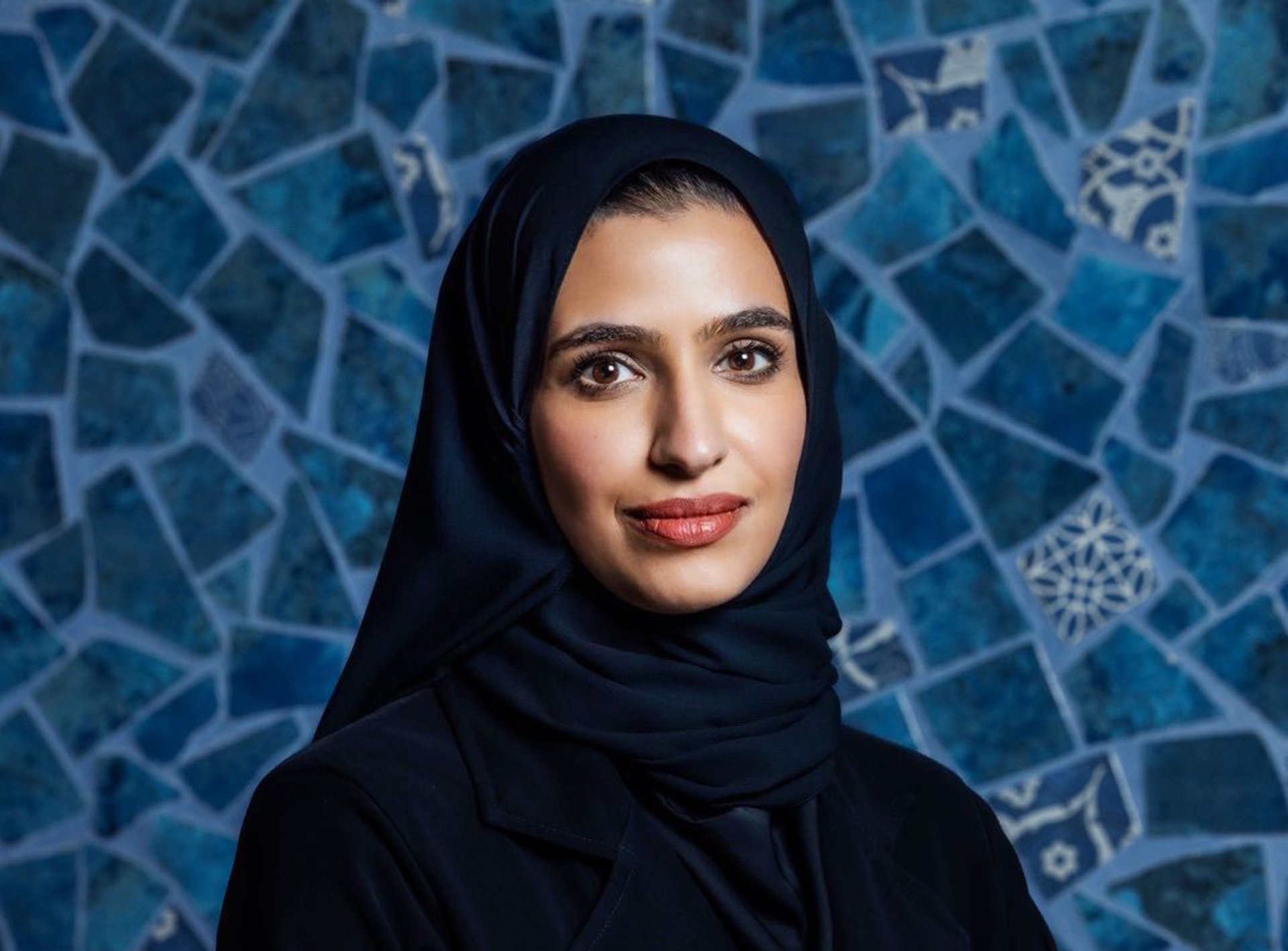
Noof Mohammed, curator, Lawh Wa Qalam: M. F. Husain Museum: "Visitors can feel that shift in colour and theme as he explored different topics and returned to his roots" Courtesy of Qatar Foundation
Describing him as “a man of the people”, Mohammed says Husain was a painter who created for everyone and was not just an artist for the elite. “He moved away from Western art into Eastern art, and by doing so reclaimed his identity. So in itself, his art is accessible because he was connected to the struggles around him, and he reflected that in his work.”
Building on that idea, Shenoy sees in his early work from the 1950s—such as the famed Quit India Movement series, which documents the country’s 100 years of struggle for freedom and is also housed in the museum—a reflection of lived experience. “He lived through two centuries. He lived through colonial India, and he saw the anti-colonial resistance. When he painted the Quit India Movement series, it was not just a record of history. It was something that he’s lived through,” Shenoy says.
This deep connection between personal experience and artistic expression is captured in full at the museum. The spirit of the nomadic artist, poet, filmmaker and thinker will continue to traverse across continents and generations, inviting them to carry his vision forward, armed with a canvas and a pen.