City authorities in Rome have introduced an entrance fee to six historic sites and museums, including the Trevi fountain, which now carries a €2 admission charge, in a bid to ease congestion and offset costs of preserving the capital's heritage.
The Trevi fee was rolled out along with a new €5 tourist ticket fee (the Roma Mic card) for some of the city’s civic museums including the Napoleonic Museum and the Giovanni Barracco Museum of Ancient Sculpture. Residents of Rome are exempt from the fees.
“Starting 2 February, a new pricing system will take effect with the dual objective of encouraging Roman citizens to enjoy the museums, while maintaining the protection of the city's vast cultural heritage,” says a statement from the city authority.
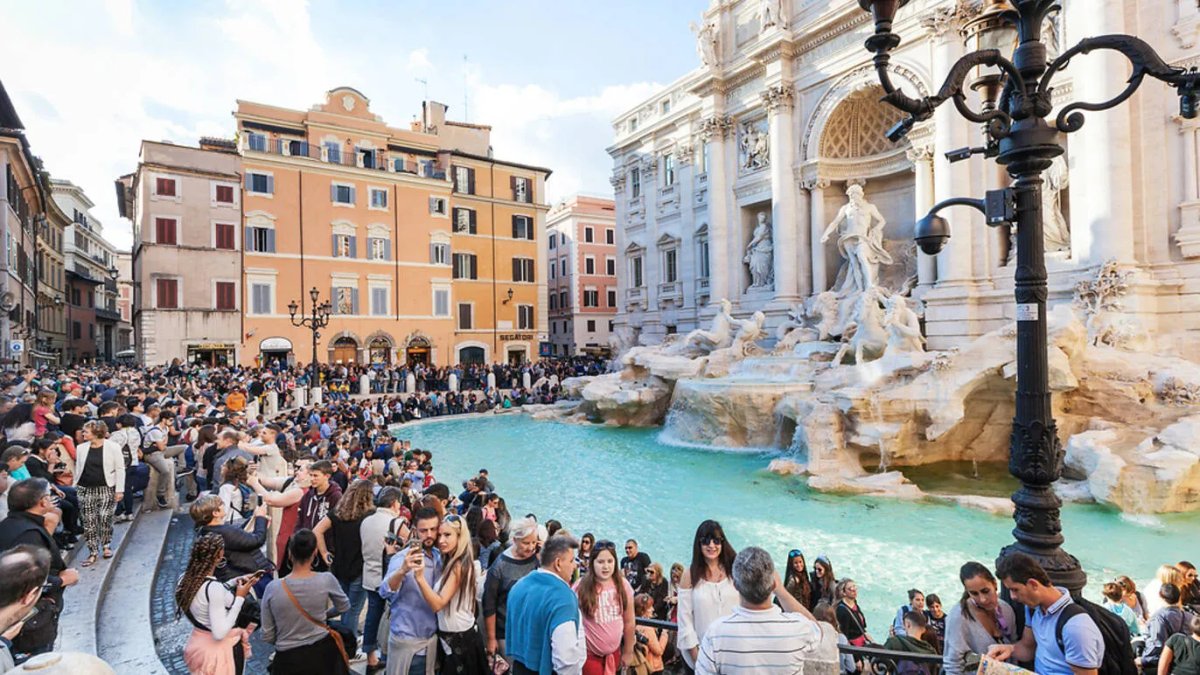
In December the city mayor Roberto Gualtieri said that the Trevi fountain will still be able to be viewed from a distance for free, but closer access will be only for ticket holders. He told Reuters news agency that "€2 isn't very much ... and it will lead to less chaotic tourist flows".
According to the Guardian, the fee is forecast to bring in €6.5m a year which will be used to invest in the fountain and other monuments in the Italian capital. The coins tossed into the fountain will continue to be donated to charity. Access will be available to the famous fountain free of charge after 10pm daily.
In 2024 a temporary walkway was installed around the Trevi Fountain, while restorers cleaned the 18th-century monument. The fountain was emptied of water and cordoned off during the €300,000 conservation project overseen by the Capitoline Superintendency. The three-month cleaning project involved removing mould and calcium incrustations from the popular landmark. Visitors to the fountain have since been capped under a queuing system introduced by Gualtieri.
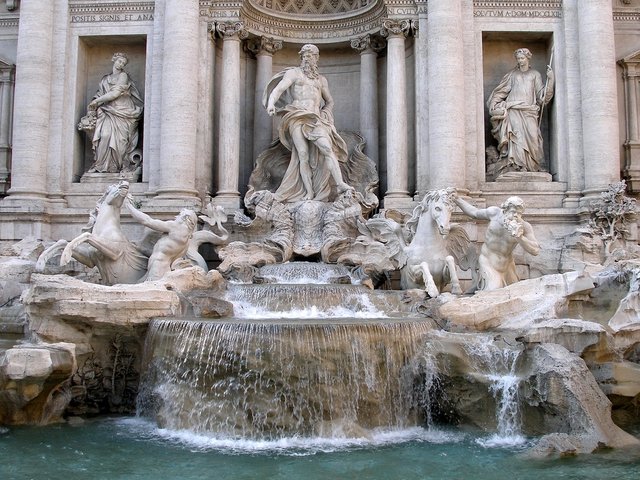
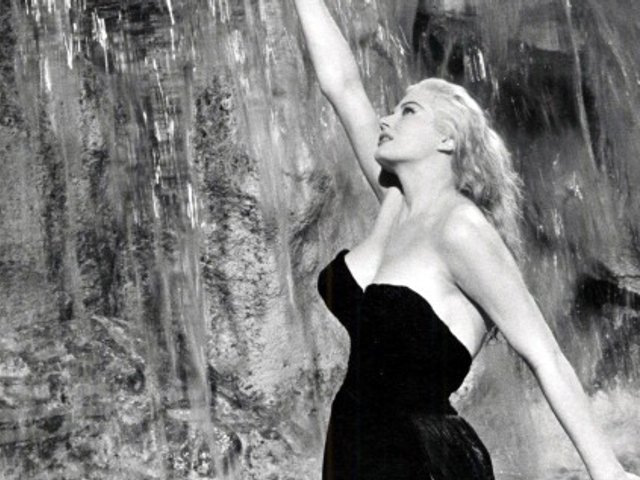
The Trevi, completed in 1762, is built on the rear façade of the Palazzo Poli and incorporates statues made of white Carrara marble. The fountain is considered a late Baroque masterpiece and has featured in a number of films, notably Federico Fellini’s La Dolce Vita (1960).