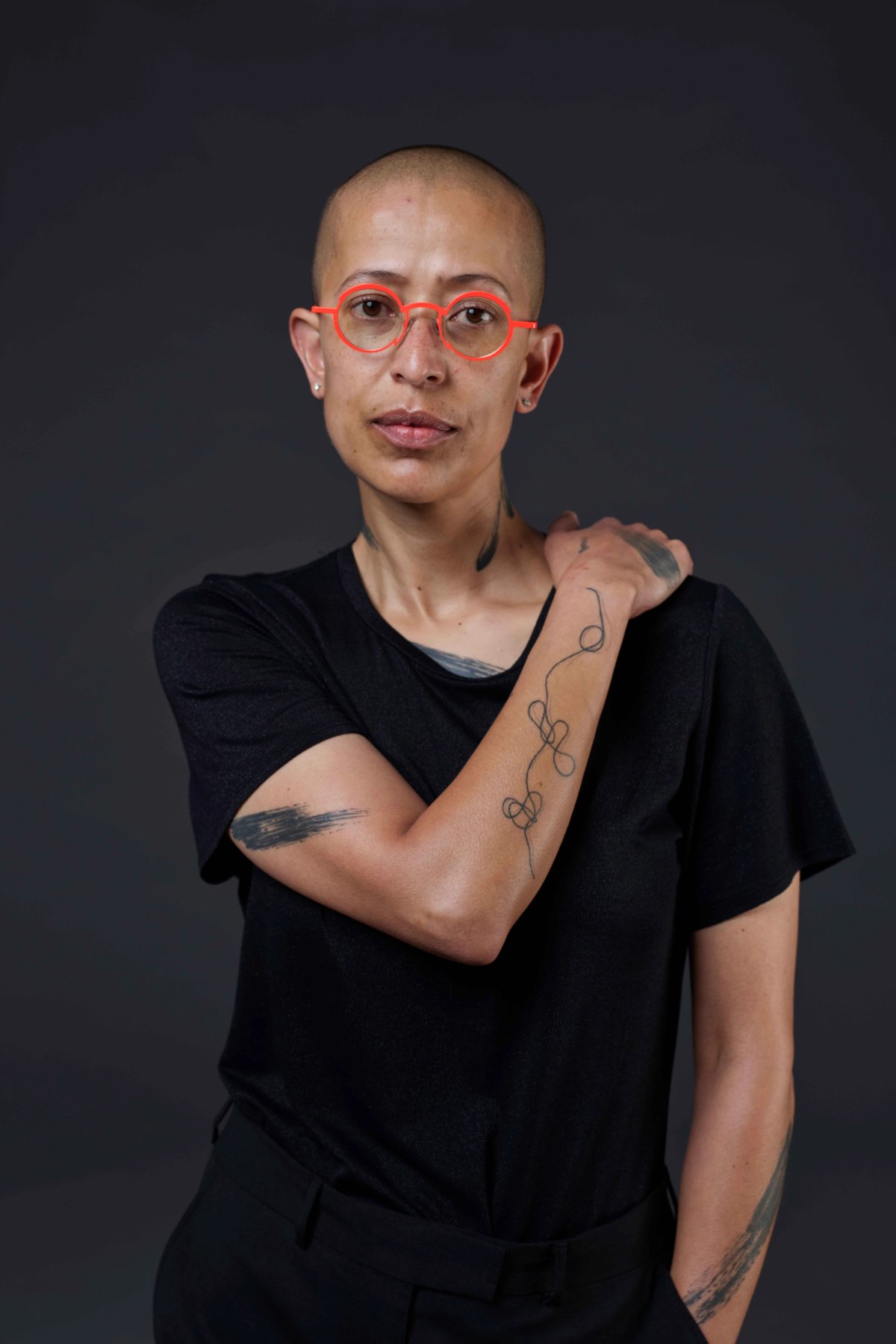
The South African pavilion will be empty at the forthcoming 2026 Venice Biennale, a spokesperson for the country’s Department of Sports, Arts and Culture (DSAC), has told The Art Newspaper.
The news comes after South Africa’s high court dismissed the artist Gabrielle Goliath’s attempt to overturn the cancellation of her planned project for the space.
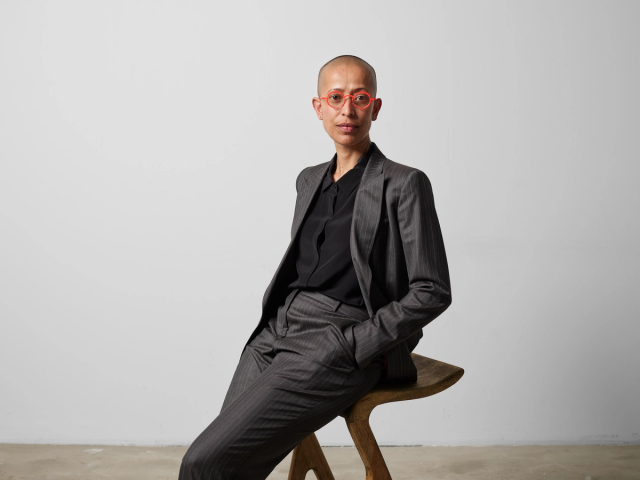
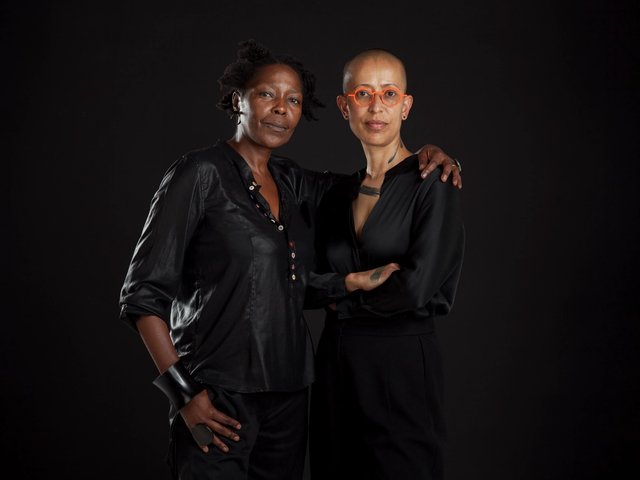
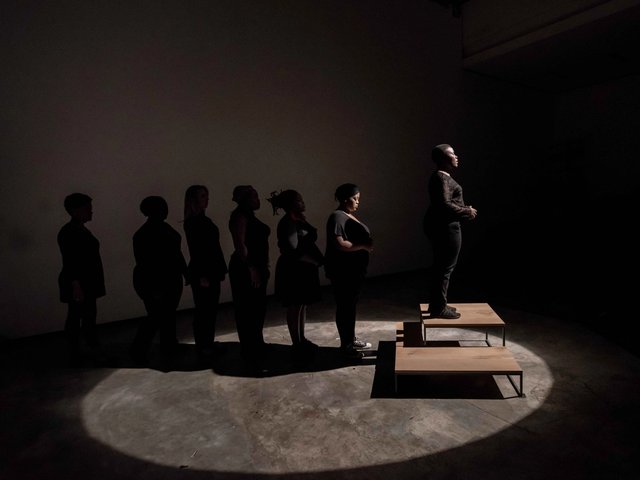
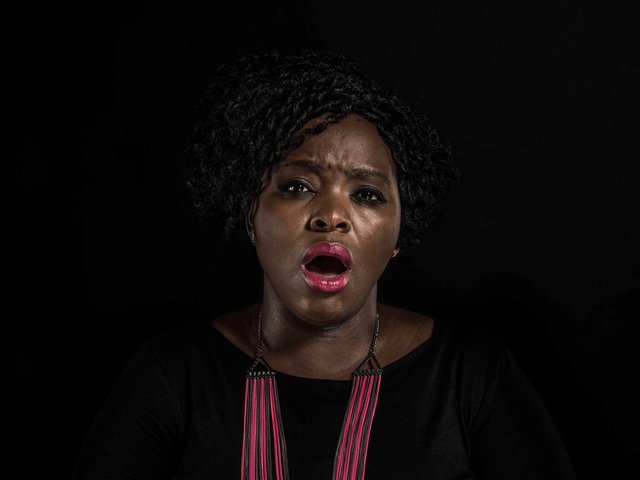
Goliath and the curator Ingrid Masondo were to present a new iteration of the three-part, video-based project Elegy—a project begun in 2015 that has centred on femicide and the murder of LGBTQI+ people in South Africa. The version planned for the Venice Biennale also addressed violence against women in Namibia and Gaza, and it was the new Gaza-related section that caused the controversy.
On 22 December, Gayton McKenzie—South Africa’s right-wing sport, arts and culture minister—wrote a letter to the organising committee in which he described the Gaza-related suite, which focused on the death of Hiba Abu Nada, a Palestinian poet who was killed in an Israeli airstrike in October 2023, as “highly divisive in nature”. McKenzie requested that the section was changed; when Goliath declined, the minister cancelled her plans, on 2 January.
On Wednesday 18 February Judge Mamoloko Kubushi—of South Africa’s high court—dismissed Goliath and Masondo’s urgent application to overturn the cancellation of the pavilion. Judge Kubushi gave no reasons for her ruling, the judgment simply reading: “Having read the papers filed of record, heard counsel and considered the matter, it is ordered that: the application is dismissed.” Goliath told The Art Newspaper that her team was appealing the ruling.
After the ruling a DSAC spokesperson, Stacey-Lee Khojane, confirmed there would be no government-backed exhibition in the South African Pavillion. Quizzed on what this would do for the country’s image, she said: “Such comment would be speculative.”
Since cancelling Goliath’s work, the DSAC restarted the biennial planning process behind closed doors and assigned at least one team of artists to prepare work for the country’s pavilion. A 30-artist collective called Beyond the Frames told The Art Newspaper in January that they “have been in talks with the department regarding the Venice Biennale”.
But last week the Cape Town-based group’s spokesperson, Hannes Koekemoer, told The Art Newspaper that they “were informed that the DSAC had decided not to continue with the Biennale”.
Asked whether they would consider taking Elegy to the biennial, even if it means showing it in a different space, Goliath says: “Absolutely. What Elegy demands are conditions of care; it is not contingent on any particular platform. I have presented it in galleries, museums, churches, halls—in South Africa and across the world. If Ingrid and I can convene a space in Venice to grieve, refuse and imagine the world differently, we will do so.”
South Africa’s art world reacts to ruling
Meanwhile, members of South Africa’s art community have reacted to the high court’s ruling with outrage, with many considering it a blow to freedom of expression.
Candice Breitz, who represented South Africa at the 2017 Venice Biennale, says in a statement to The Art Newspaper: “The extraordinary integrity that South Africa has demonstrated in holding Israel accountable for the ongoing genocide that Palestinians are enduring is radically undermined by the failure of the same South African government to defend the basic constitutional rights of a South African artist who has chosen to protest Israel's countless war crimes within her creative practice.”
In late 2023, the South African government brought a case to the International Court of Justice, accusing Israel of committing “genocidal acts” in Gaza. Israel rejects the allegations. The case is ongoing.
Breitz continues: “In allowing a rogue minister to de-platform and delegitimise an artist whose position is not only absolutely principled—but also utterly consistent with international humanitarian law—the South African government risks making a farce of the stance it has taken on the geopolitical stage, while at the same time fatally underestimating the role that culture plays in shaping nationhood.”
The South African artist Steven Cohen has been at the centre of a separate censorship debate after 11 works in his retrospective at the Iziko South African National Gallery in Cape Town were covered in black cloth just before the opening last year. The museum claimed the works—which included depictions of performances involving the late Nomsa Dlamini, who was employed as Cohen’s family’s domestic worker since his childhood; and images of shoes made using human skulls —“raised unresolved concerns regarding the representation of Black women, cultural values related to the dignity of elders, questions of agency and authorship, and Iziko’s longstanding commitment to the ethical handling and repatriation of ancestral human remains”. The show’s curator, Anthea Buys, said management had “gravely misinterpret[ed]” the pieces.
Cohen tells The Art Newspaper: “For me as an artist, the judgment in Gabrielle’s case is more than a cause for lament, it’s a call for dissent—especially now in these risk-averse times where freedom of expression is being increasingly muzzled.”
Ismail Mahomed, the director of the Centre for Creative Arts at the University of KwaZulu-Natal, says: “This news is certainly met by the arts sector with dismay, anger and extreme disappointment.”
The Campaign for Free Expression (CFE), which was admitted as a friend of the court in the matter, said the ruling “must leave us all very concerned for the state of artistic freedom in this country”.
Nicole Fritz, CFE’s executive director, says: “On top of that, to award punitive costs against the applicants, when the precarious position of artists in this country was underlined to the court, seems frighteningly improper.”
The South African presidency did not respond to a request for comment.