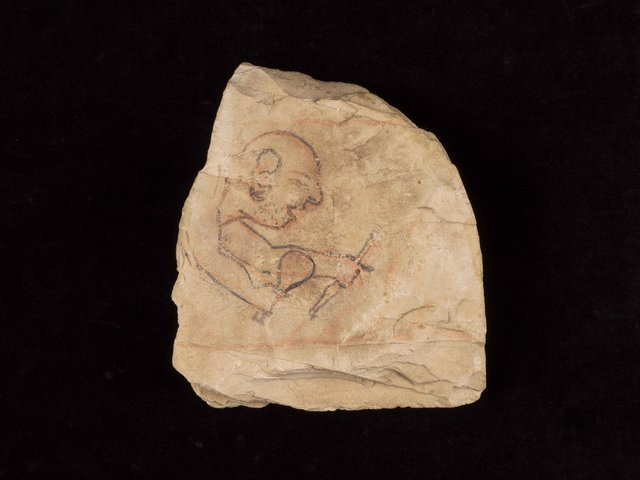
“My focus is really on the ordinary people that went into conflict, especially in the First and Second World Wars,” says Richard Kelleher, the curator of the Fitzwilliam Museum’s new show War Craft, which examines art made on or near the front lines. “And because they weren’t career soldiers, they brought all different skills from their working lives. They were woodworkers, metalworkers and jewellers, and the little objects they made are signatures of themselves.”
Kelleher defines the majority of the works in the show as materials “that have been scavenged and harvested from battlefield landscapes, and then converted into other objects”. These are the kinds of things that turn up regularly on the Antiques Roadshow television programme as attics are emptied and homes cleared; but Kelleher says he has focused on objects that “speak of time and place, and have a little essence of the people who made them in them”.
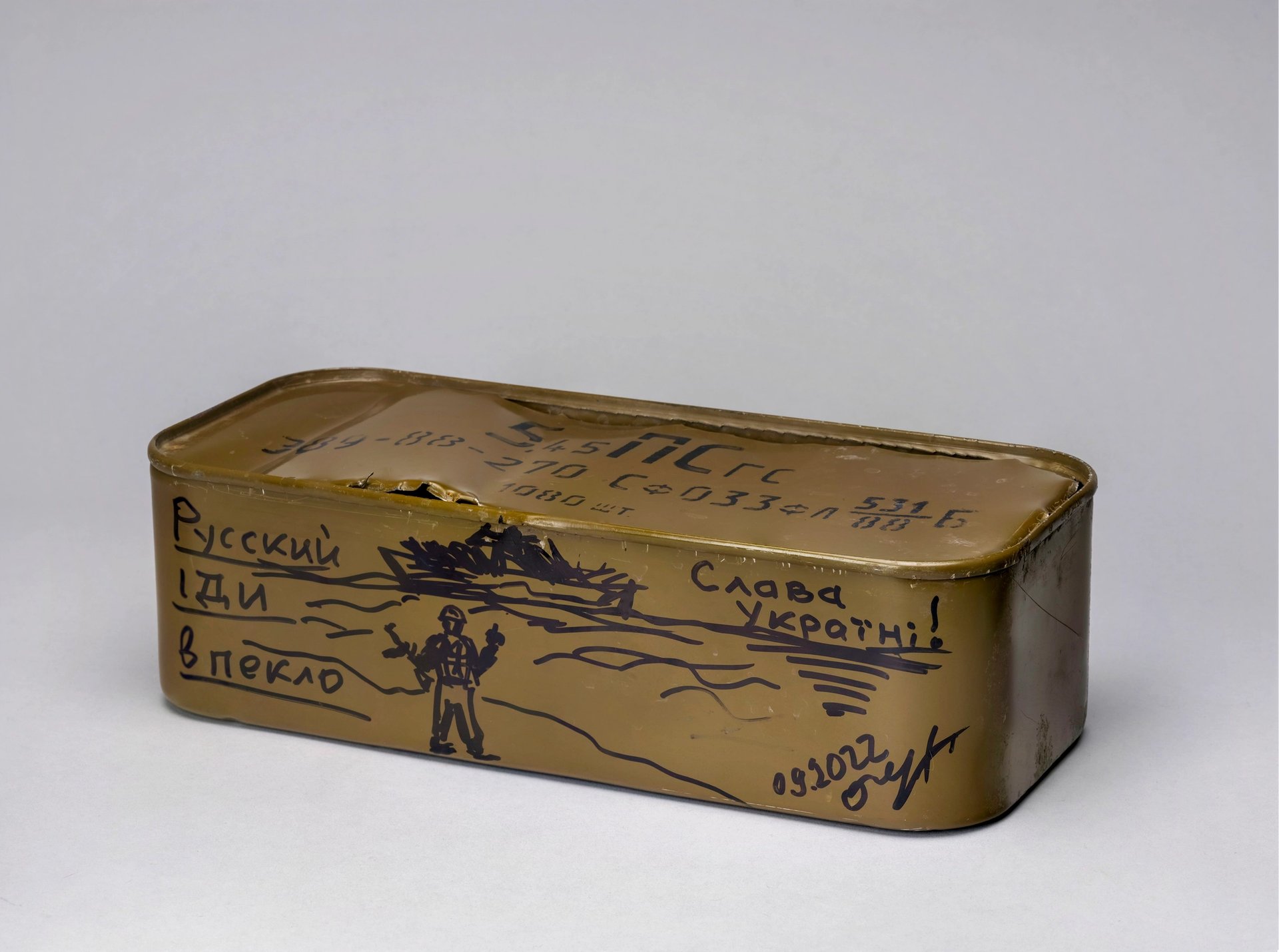
A Ukraininan ammunition tin, decorated with images and text on two sides using Sharpie pen, September 2022 Photo: © The Fitzwilliam Museum, University of Cambridge
Some of the items going on show certainly sound unique. They range from a reconstructed collage of stained glass from the cathedral in Ypres, shattered during the First World War, to tiny engraved coins. The most recent item comes from the Russia-Ukraine war: an ammunition case decorated with a Sharpie marking the Russian attack on Snake Island.
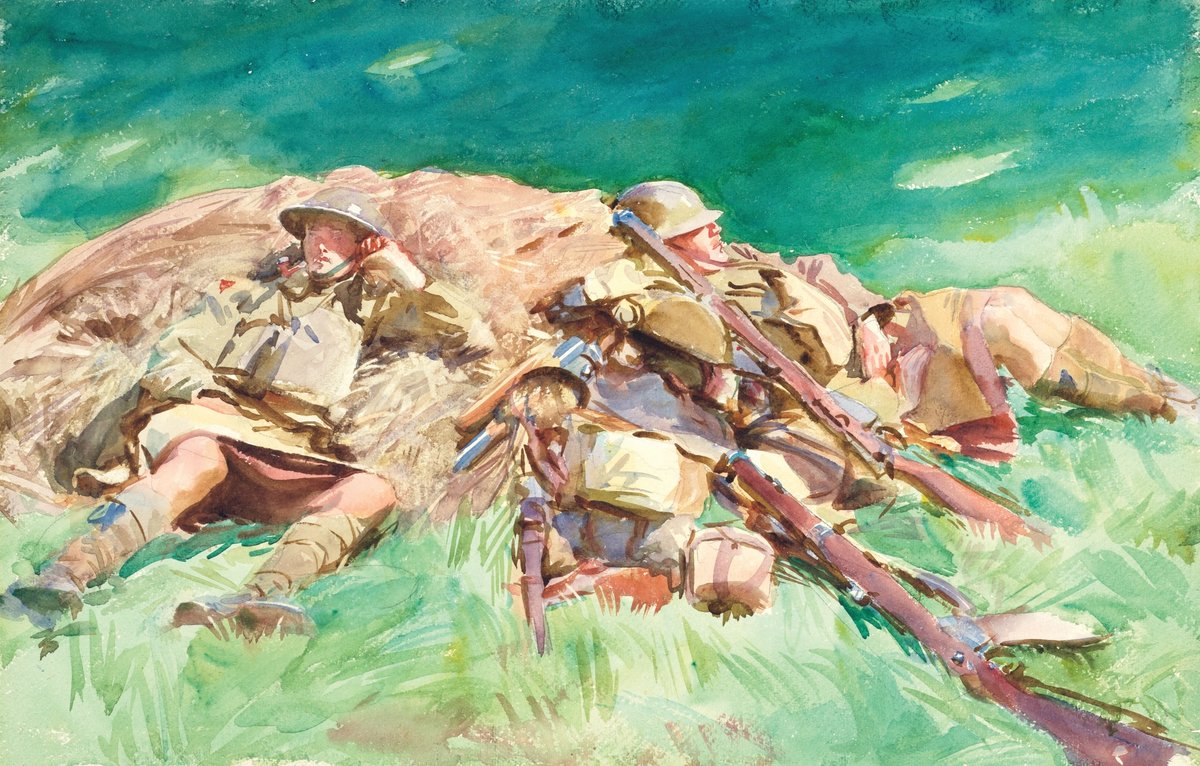
Drawings and prints from the Fitzwilliam collection will play a significant role, too. These include the J.M.W. Turner watercolour The Field of Waterloo (1817), with its piles of dead troops; a print of C.R.W. Nevinson’s That Cursed Wood (1918), along with the manuscript of the Siegfried Sassoon poem that inspired it; and John Singer Sargent’s Highlanders resting at the Front (around 1914-18). “We’re showing [the Sargent] with some disgusting looking chocolate sent to the troops that has survived from the Boer War,” Kelleher says.
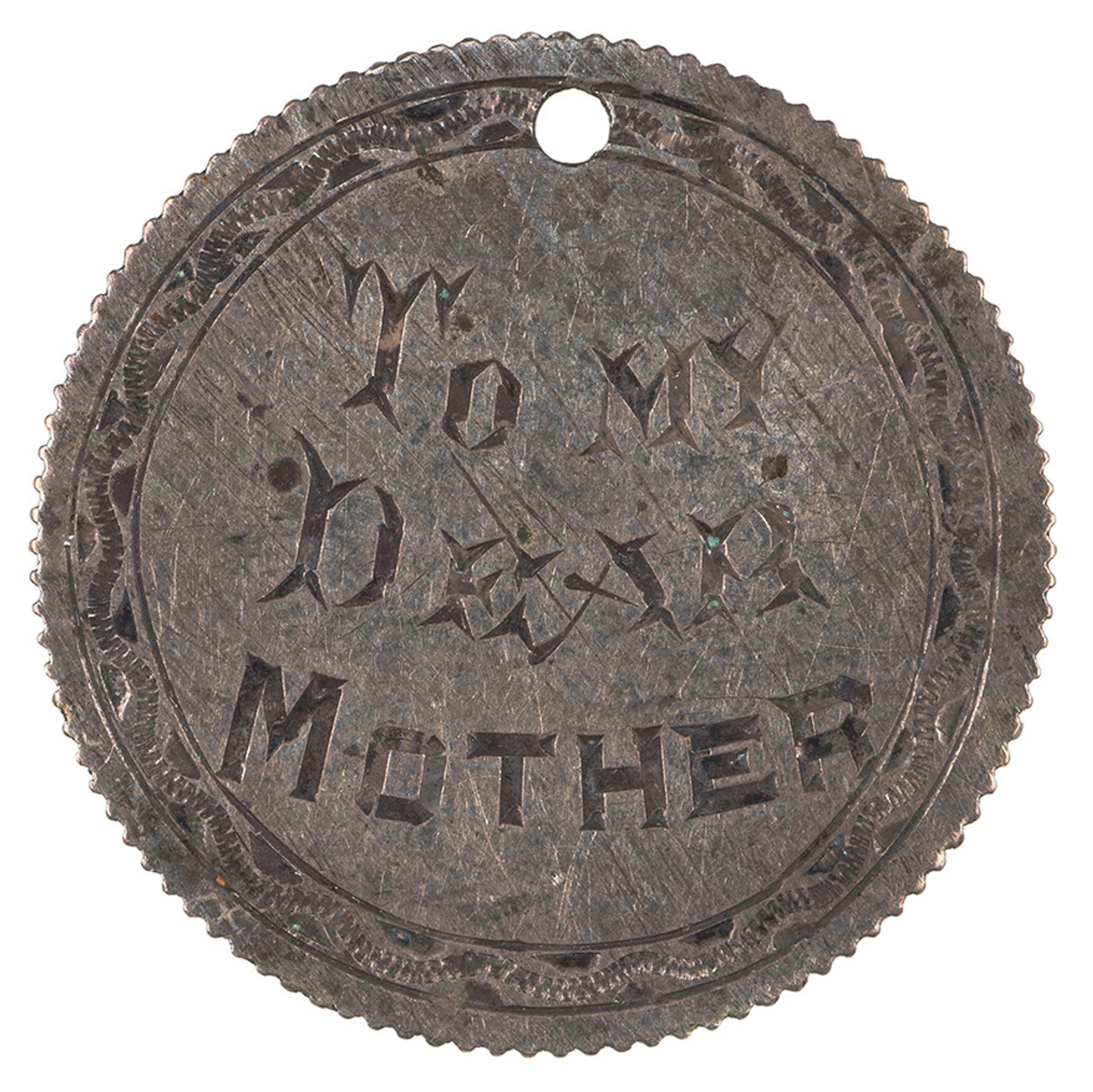
Works on show include an engraved French silver franc (1918 or later) © The Fitzwilliam Museum, University of Cambridge
Perhaps the most remarkable objects in the exhibition will be shell cases decorated with dragons by members of the Chinese Labour Corps, who fought alongside British troops in the First World War. “This isn’t a new discovery by us, but it’s throwing light on unrecognised participants in wartime, and not only are they beautiful artworks in their own right, but they talk of people that we aren’t necessarily familiar with,” Kelleher says. “Like all the objects in the show, they are little windows into unexpected stories.”
• War Craft, Fitzwilliam Museum, Cambridge, 24 February-23 August