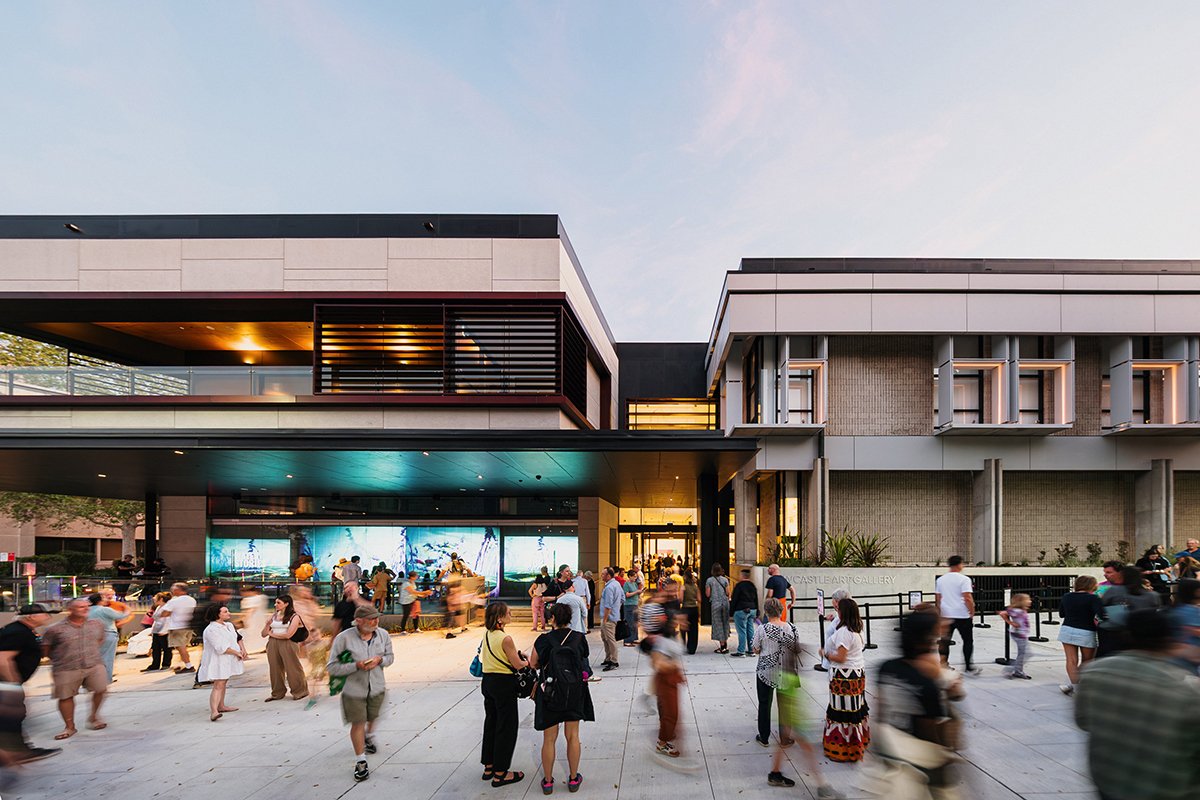
Newcastle Art Gallery enjoyed a grand reopening in the coal city two hours’ drive north of Sydney at the end of February, following an expansion project costing A$47m ($33m) that has more than doubled its exhibition space and attracted a major gift of art.
The redevelopment prompted Simon and Catriona Mordant, leading Australian arts philanthropists, to make a record gift of 25 works from their private collection, and the gallery will present these to the public in a special exhibition to open in May. The building expansion makes Newcastle Art Gallery the largest public art institution in New South Wales outside Sydney.
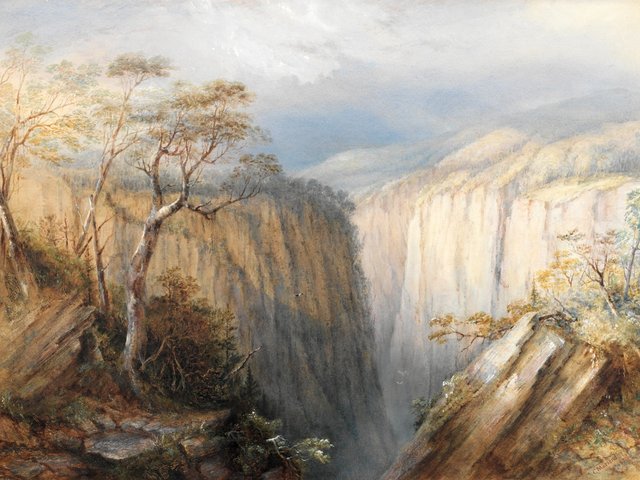
The expanded spaces allow the gallery for the first time to present long-term displays of works from its permanent collection. The opening exhibition of the permanent collection is titled Iconic Loved Unexpected, and will display 500 pieces by local, national and international artists from the early 19th century to today. Artists include the French sculptor Auguste Rodin, the Australian convict artist Joseph Lycett, the Australian contemporary artist Lottie Consalvo, and the First Nations artists Tracey Moffatt, and the late Sally Gabori and Emily Kam Kngwarray.
Regional heavyweight
The gallery’s permanent collection consists of more than 7,000 works of art valued at A$145m ($102m), making it the most significant regional collection in New South Wales, its director Lauretta Morton tells The Art Newspaper. She adds that the inclusion of work by Kazuo Yagi in Iconic Loved Unexpected will represent the gallery’s avant-garde Japanese ceramics collection, which she describes as the best outside Japan.
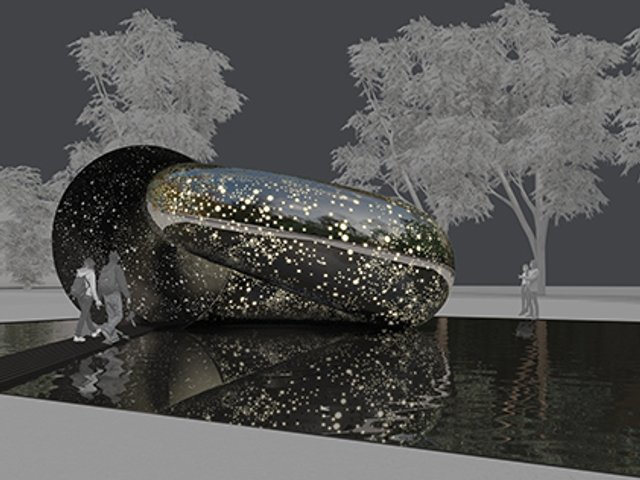
Among half a dozen new works commissioned for the redevelopment is a 4m-high entrance sculpture. The Novocastrian and Awabakal descendant Shellie Smith created its spiralling mass of 30 cast aluminium fish, which Smith made in collaboration with the Newcastle sculptor Julie Squires.
Community and artist contributions
Funding for the new gallery included a surprise A$10m ($7m) gift from the late Newcastle couple Valerie and John Ryan, who were described by Morton as “unassuming gallery lovers”. Combined state and federal government funding contributed A$10m, and more was raised by the gallery’s foundation and the Newcastle community across many years, including a bequest from the late Sydney artist Margaret Olley, who once lived in Newcastle and retained deep connections to the city.
Another leading artist with connections to Newcastle was John Olsen, who was born there. His monumental 1964 work The sea sun of 5 bells was originally painted directly onto the ceiling of Sydney gallerist Ann Lewis’s home in the harbourside suburb of Rose Bay. After Lewis’s death in 2011, the painting was removed to Newcastle Art Gallery and has now been installed on the ceiling of the older part of the building.
The gallery now has an additional 1,600 sq. m of exhibition space and increased its discrete display areas from five to 13. A section of the gallery has been named for Olley, who assisted in the acquisition of art by many Australian public galleries during her lifetime. She died in 2011, aged 88.
The redevelopment also adds a loading dock, a new café and shop, and a multipurpose programme space and learning studio. International exhibitions are to play an important role in the gallery’s future to help entice audiences to Newcastle from other cities such as Brisbane, Morton says.
Opening show
The full artistic programme is still being finalised, but Morton confirms it will feature a solo exhibition of work by Brian Robinson, the Torres Strait Island artist who grew up on Waiben, also known as Thursday Island.
The special Mordant gift exhibition will include works by the Australian artists María Fernanda Cardoso, Sangeeta Sandrasegar and Brendan Van Hek, the Indigenous artist Ian Abdulla and the Mexican Canadian artist Rafael Lozano-Hemmer. The gallery redevelopment was designed by Clare Design in collaboration with Smith and Tzannes Architects and Arup Engineers. Queen Elizabeth II opened the original Newcastle Art Gallery in 1977 during a Jubilee visit to Australia. Entry is free.