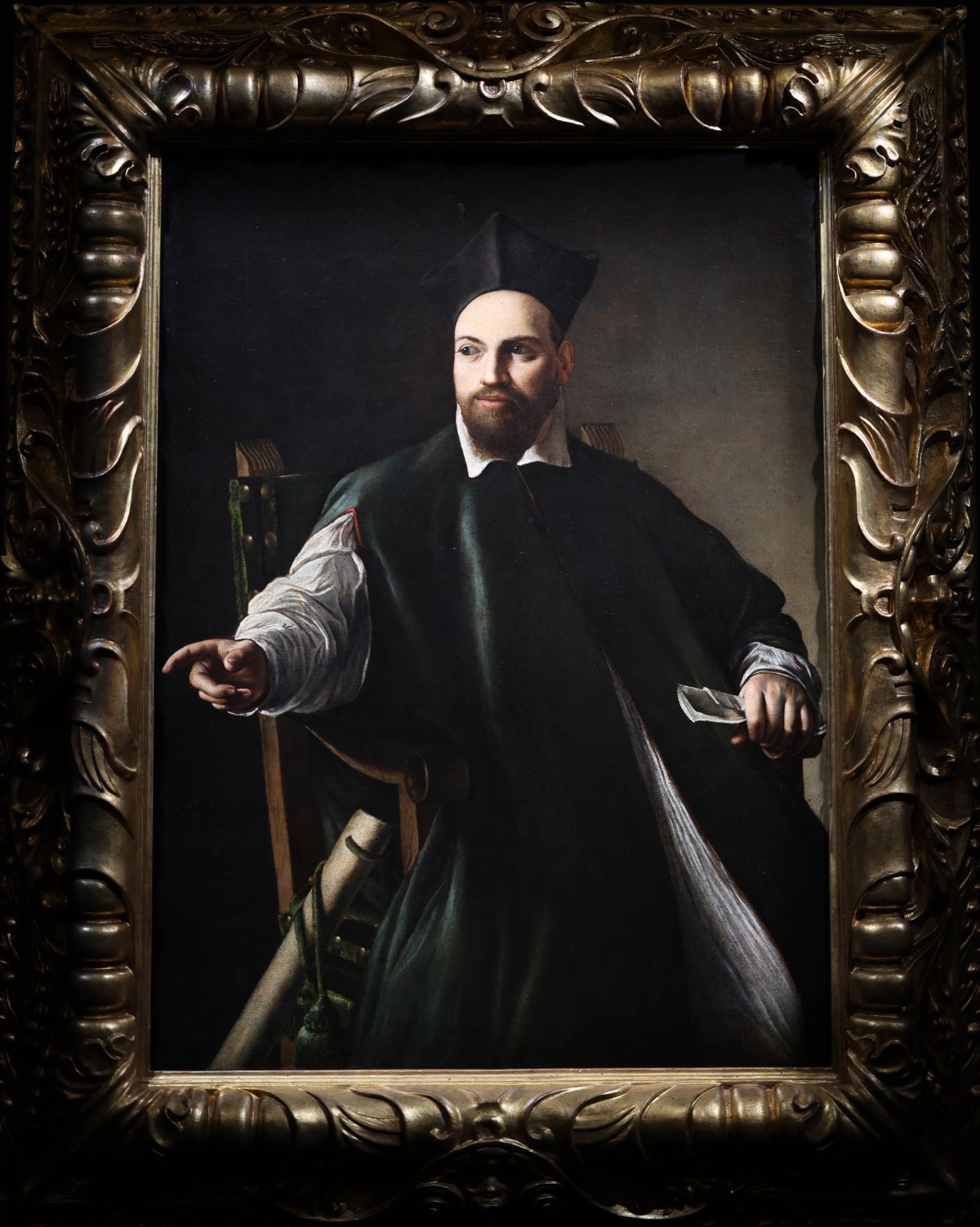
Italy has purchased a Caravaggio portrait for €30m, which officials describe as one of the largest sums ever paid by the state for a single artwork.
The purchase follows more than a year of negotiations with the work’s Florentine private owners, the culture ministry said in a statement. The painting will now enter the permanent collection of Palazzo Barberini in Rome, a former residence that is now home to the Galleria Nazionale d'Arte Antica.
“This is a work of exceptional importance,” said Alessandro Giuli, Italy’s culture minister, in the statement. “We had the objective of making an artistic masterpiece that would otherwise be destined for the art market accessible to scholars and enthusiasts.”
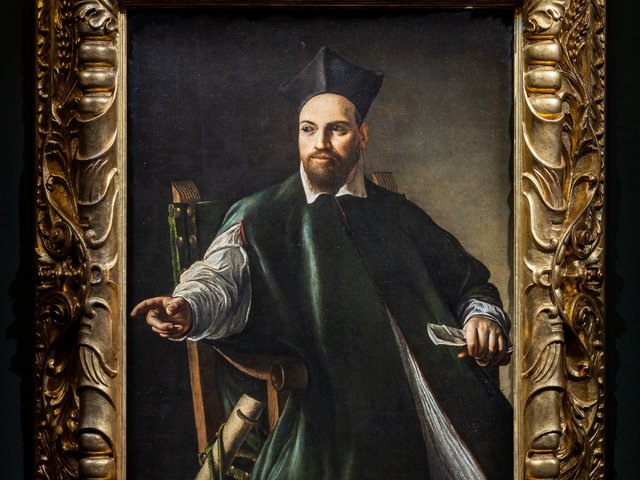
Painted between 1598 and 1603, the portrait depicts the bearded Maffeo Barberini, a powerful cleric and the future Pope Urban VIII, clasping papers in one hand and appearing to issue instructions with a pointing gesture. He commissioned Palazzo Barberini, completed in 1633.
The work has only been exhibited once since first being attributed to Caravaggio by the art historian Roberto Longhi in 1963. This was at the Palazzo Barberini from November 2024, ahead of a three-month Caravaggio show at the museum. It has since remained on display there.
Gianni Papi, an art historian and curator specialised in Caravaggio, tells The Art Newspaper limited access to the work had not fuelled speculation about its authorship. “Nobody ever questioned its provenance," he said. "We have always been extremely convinced of Caravaggio’s signature: the photos left no doubt [about who the artist was].”
On the acquisition, Papi adds: “Caravaggio is the most iconic and famous painter in the world. It is a lot of money but also affordable. It could have been worth much more.”
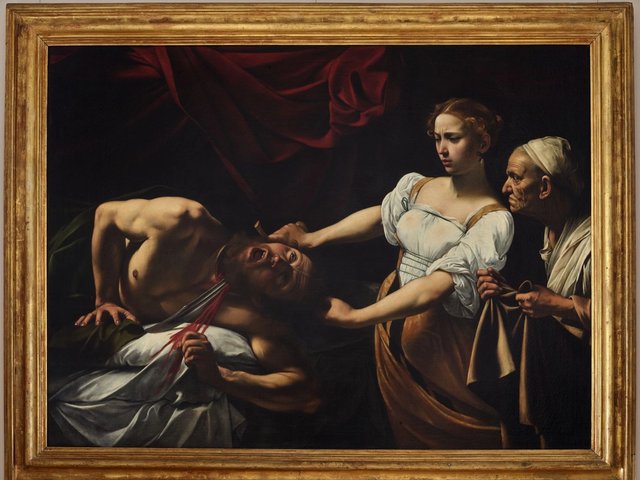
Barberini was a passionate patron of the arts, commissioning works including the massive gilt-bronze Baldacchino in St. Peter’s Basilica and Caravaggio’s Sacrifice of Isaac (c. 1603). His portrait will be displayed alongside other Caravaggios at the Palazzo Barberini, including his famed Judith Beheading Holofernes (1599-1602).
Maria Critsina Terzaghi, a Caravaggio expert at Roma Tre University, tells The Art Newspaper that the acquisition was a win for the academic world. "Nobody but a few experts had been allowed to see the painting, so future generations had to base their understanding on what Longhi said."
Seeing the work up close, she added, would lead to new discoveries about Caravaggio's technique, allowing experts to study his brushstroke and use of perspective.
The work will now be restored, Terzaghi says. "It is in good condition but it hasn't been touched since the 1960s."
The ministry said the painting was one of just 65 works, including three portraits, to have been attributed with certainty to Caravaggio. However, Papi said Caravaggio scholars disagree about the number of attributable works, with some listing up to 80.
The portrait’s former private owners were not named by the ministry and remained anonymous in the catalogue for the Palazzo Barberini Caravaggio show.