The commercial value of art has been extolled for hundreds, if not thousands, of years—but its benefits to our health and wellbeing have not been so scrupulously and scientifically documented, until now.
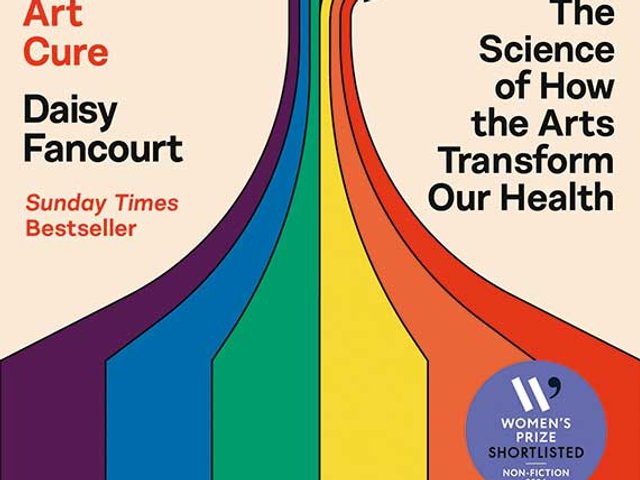
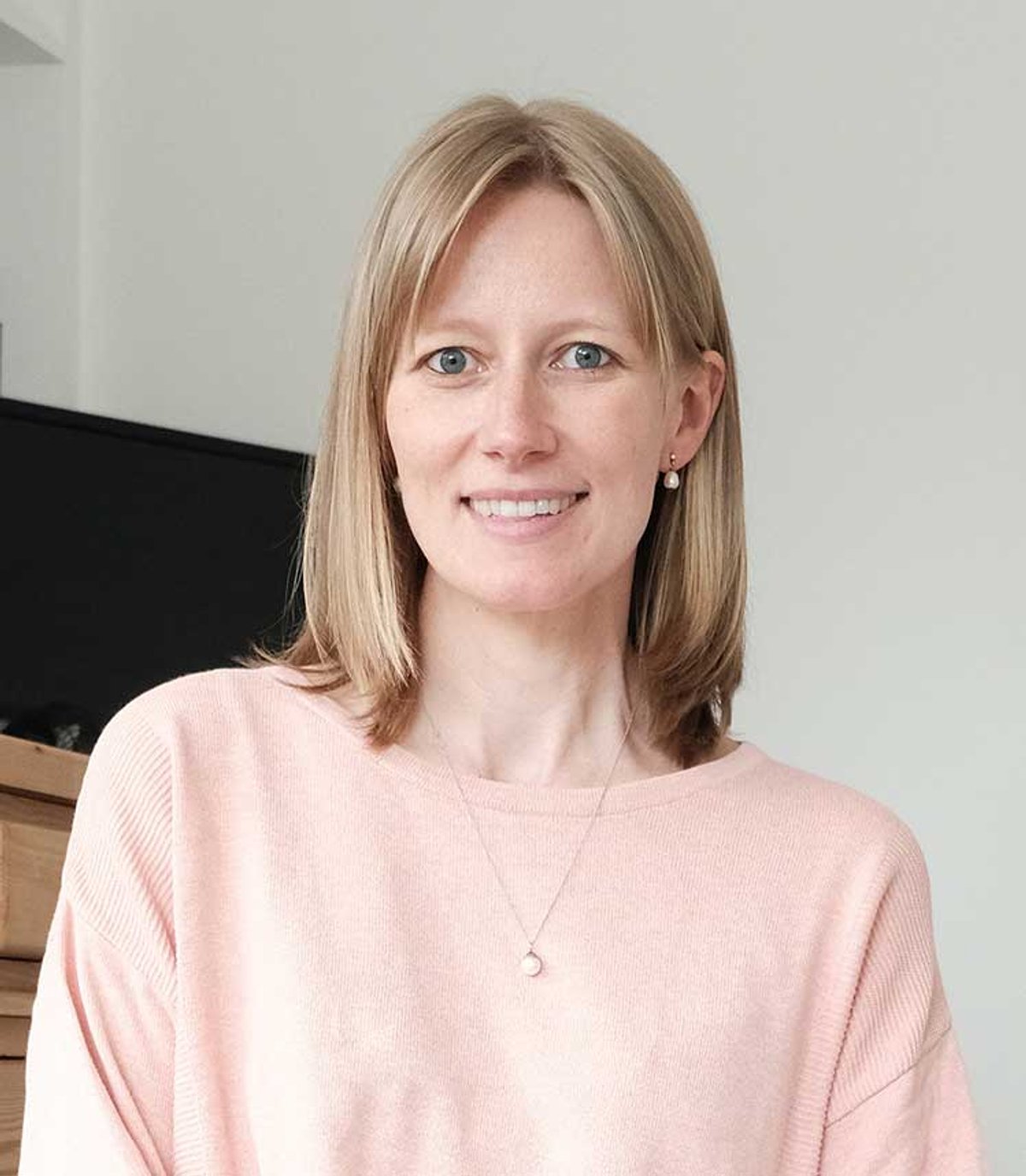
In her new book, Art Cure: The Science of How the Arts Transform our Health, the award-winning professor of psychobiology Daisy Fancourt sets out how art has a tangible, meaningful effect on our health looking at longitudinal cohort data, the UK Treasury’s The Green Book (a guide to assessing cost benefits and risks), biological markers and other metrics. She will present her findings as part of the Tefaf Summit in Maastricht on 16 March, which this year delves into the impact of art beyond economics, as well as how culture’s role in public policy can be rethought.
Some of the most astonishing conclusions include the finding that people with depression experience nearly twice the improvement in symptoms if arts therapies are added to standard approaches such as medication and psychotherapy. And how regularly going to the theatre, live music events, museums and galleries could nearly halve someone’s risk of developing depression over the next ten years.
Over the past year, Fancourt has been working with the UK government on new economic modelling on the health benefits of engaging in the arts. The returns are impressive—and robustly counter the narrative that the arts are not as beneficial to society as the sciences. A case in point: every year in the UK, the general health benefits of engaging in the arts for working-age adults alone are estimated to be worth more than £18bn.
Returns on investment
Such figures are crucial in the ongoing recalibration of an over-commercialised art world. As Fancourt puts it: “In an age where we’re increasingly focusing on every pound and whether it’s worth spending, it’s important to acknowledge when you do see these returns. In other sectors, like sports and leisure, they’re talking about those returns on investments. So why not in the arts?”
Though Fancourt is presenting her findings in an art fair context, she is quick to point out that her research does not just apply to the more rarefied spaces within the art world. As she notes in her book, it is only in recent decades that we have taken a ubiquitous human behaviour and commodified it. “If you look back just a few centuries ago, everyone, all around the world, told stories, sang and danced as a natural part of everyday life,” she writes.
Ultimately, Fancourt believes, arts engagement is a right for all—and there is just as much value in experiencing the arts in communities as there is in galleries and museums. “You don’t have to go to a professional West End theatre show,” she says. “You get similar benefits from going to watch schoolchildren perform as you do watching professionals. It’s really about trying to acknowledge all of these different kinds of productions and forms of creativity.”
• Beyond Economic Impact: Rethinking Culture in Public Policy, MECC, Maastricht, 16 March