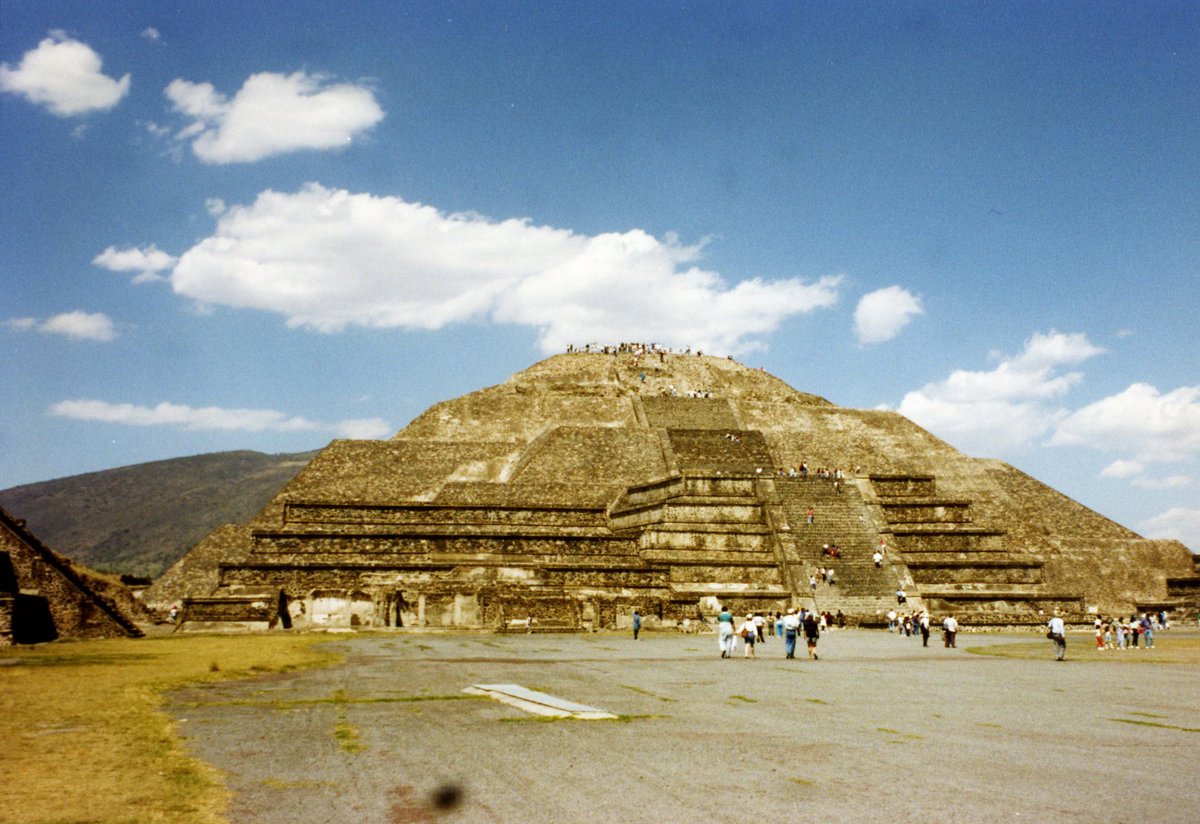
Teotihuacan is Mexico’s second most-visited archaeological site, but on Monday (20 April) it became a tragic scene when a gunman opened fire shortly after 11:30am from atop the Pyramid of the Moon. Authorities reported that one Canadian woman was shot dead and 13 Colombian, Russian, US, Brazilian, Dutch and Canadian citizens were hurt, including two children. Seven of them were shot, while the others sustained injuries while attempting to quickly run down the steep pyramid.
“There were thousands of people there, and there were a lot of gunshots that just kept coming,” Brenda Lee, a Canadian tourist who witnessed the shooting, told CTV News. The attacker shot and killed himself at the scene.
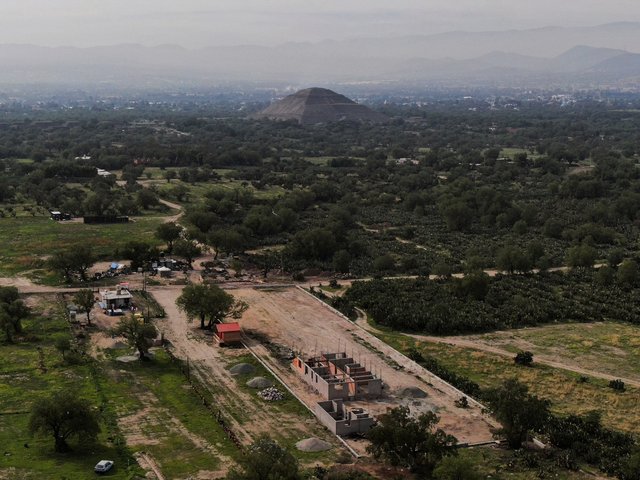
The 43m-high Pyramid of the Moon, at the northern end of the Calzada de los Muertos, is one of Teotihuacan’s most iconic structures. Teotihuacan, once among the largest cities in Mesoamerica, is located only 40km from Mexico City. In May 2025, the pyramid’s first level reopened to the public after five years of renovations. Climbing nearby important structures, such as the Pyramid of the Sun, is prohibited for conservation reasons. Teotihuacan is no stranger to crowds: the site saw nearly 1.8 million visitors in 2025 and this year’s spring equinox (21-22 March) drew more than 38,000 people.
Violence of this kind is unprecedented at archaeological sites in Mexico in modern times, and Teotihuacan has long been considered extremely safe for visitors. Added pressure on the country’s pubic image comes from the international attendance expected during the 2026 Fifa World Cup—to be held in Mexico, Canada and the US in less than two months—with the opening match at the Estadio Azteca in Mexico City.
As part of the cultural programming linked to the World Cup, Teotihuacan is undergoing a $1.7m renovation, its largest in 30 years. The project aims to enhance visitor services and on-site museums. As Mexico’s culture minister, Claudia Curiel de Icaza, said during her visit on 11 March: “Teotihuacan is the most important pre-Hispanic city in the Americas and the first city-state.”
However, Teotihuacan and other sites managed by the National Institute of Anthropology and History (INAH) have faced long-standing budget constraints impacting every aspect of their operations, including security. El Financiero reports a 40% funding cut under the current administration. Research projects at Teotihuacan have also struggled because of insufficient funding.
Monday's attack has shaken Mexico. “What happened today in Teotihuacan pains us deeply,” said Mexican president Claudia Sheinbaum. “I have instructed the security cabinet to thoroughly investigate these events and provide all necessary support.”
It also has international implications. “As a result of a horrific act of gun violence, a Canadian was killed and another wounded,” Anita Anand, Canada’s foreign minister, posted on X. “My thoughts are with their family and loved ones, and Global Affairs consular officials are in touch to provide assistance.”
Official reports have identified the shooter as Julio César Jasso Ramírez, a 27-year-old Mexican national. El Milenio reports that his shirt bore the phrase “Disconnect and Self-Destruct”, linked to online subcultures associated with mass violence after the 1999 Columbine High School massacre in Colorado, which also took place on 20 April. The global phenomenon, known as “the Columbine effect", has been linked to mass shootings in Finland, Sweden, Brazil and elsewhere.
“The attack reveals an interest in replicating previous ones in what is known as a copycat,” José Luis Cervantes, the attorney general of the state of Mexico, said at a press conference on Tuesday. “It was planned, and the attacker acted alone.” Cervantes noted that the gunman was carrying literature reportedly related to Columbine. Authorities added that security at the country’s archaeological sites has been strengthened.
“This is a fabulous city,” Lee told CTV News when asked whether the incident changed her perception of Mexico City. “We haven’t felt unsafe anywhere, and honestly, this could happen anywhere in the world.”
Teotihuacán will reopen tomorrow (22 April) with reinforced security. The Pyramid of the Moon remains closed until further notice.