A Texas man who spent five years defrauding nearly 1,000 investors through a fictitious cryptocurrency scheme will spend the next two decades in prison. Robert Dunlap was convicted last year by a federal jury in the Northern District of Illinois on mail fraud charges; earlier this month, a judge in Chicago sentenced him to 23 years in federal prison and ordered him to pay full restitution to his victims.
From 2018 to 2023, Dunlap claimed to operate a cryptocurrency business selling a purported digital token called the “Meta-1 Coin” through a vehicle he dubbed the “Meta-1 Coin Trust”. He told prospective investors the coin was backed by as much as $1bn in fine art and $44bn in gold, and falsely claimed that an accounting firm had audited and certified the value of the gold. The alleged art collection was said to include works by Pablo Picasso, Salvador Dalí and Vincent van Gogh. Federal investigators found that Dunlap had manufactured bogus legal documents expressly to sustain the illusion, and that he never possessed the gold or the art.
Prosecutors argued that Dunlap showed no contrition throughout the case and grew only bolder as the fraud continued. “Defendant lied to investors for years, telling them that he had created a safe investment for them,” assistant US attorneys Jared Hasten and Paige Nutini said in a joint statement. “Dunlap’s fraud scheme caused nearly 1,000 investors to lose more than $20m. Many of the victim investors lost all of their savings.”
Adam Jobes, a special agent-in-charge of Internal Revenue Service Criminal Investigation in Chicago, described the human toll in stark terms. “Robert Dunlap didn’t just take money; he took years of hard work, trust and financial security from his victims,” Jobes stated.
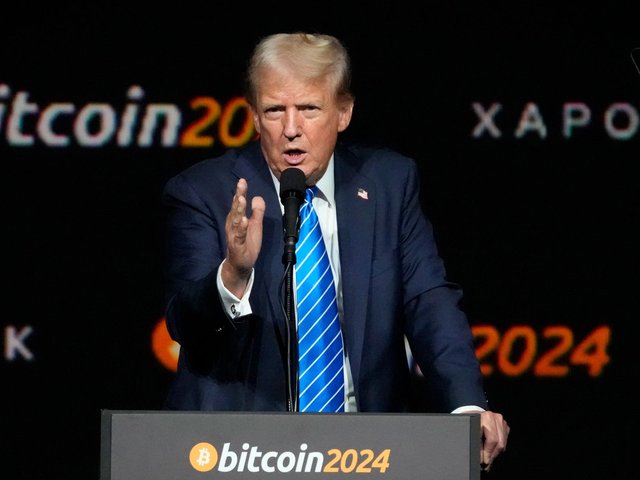
The case is among a growing number of US federal prosecutions targeting cryptocurrency fraud as regulators and law enforcement agencies seek to tighten oversight of the digital-asset market. At the same time, the Trump administration has moved aggressively to roll back the regulatory framework that prosecutors and investor advocates have long argued is the only meaningful check on digital-asset fraud like Dunlap’s scam.