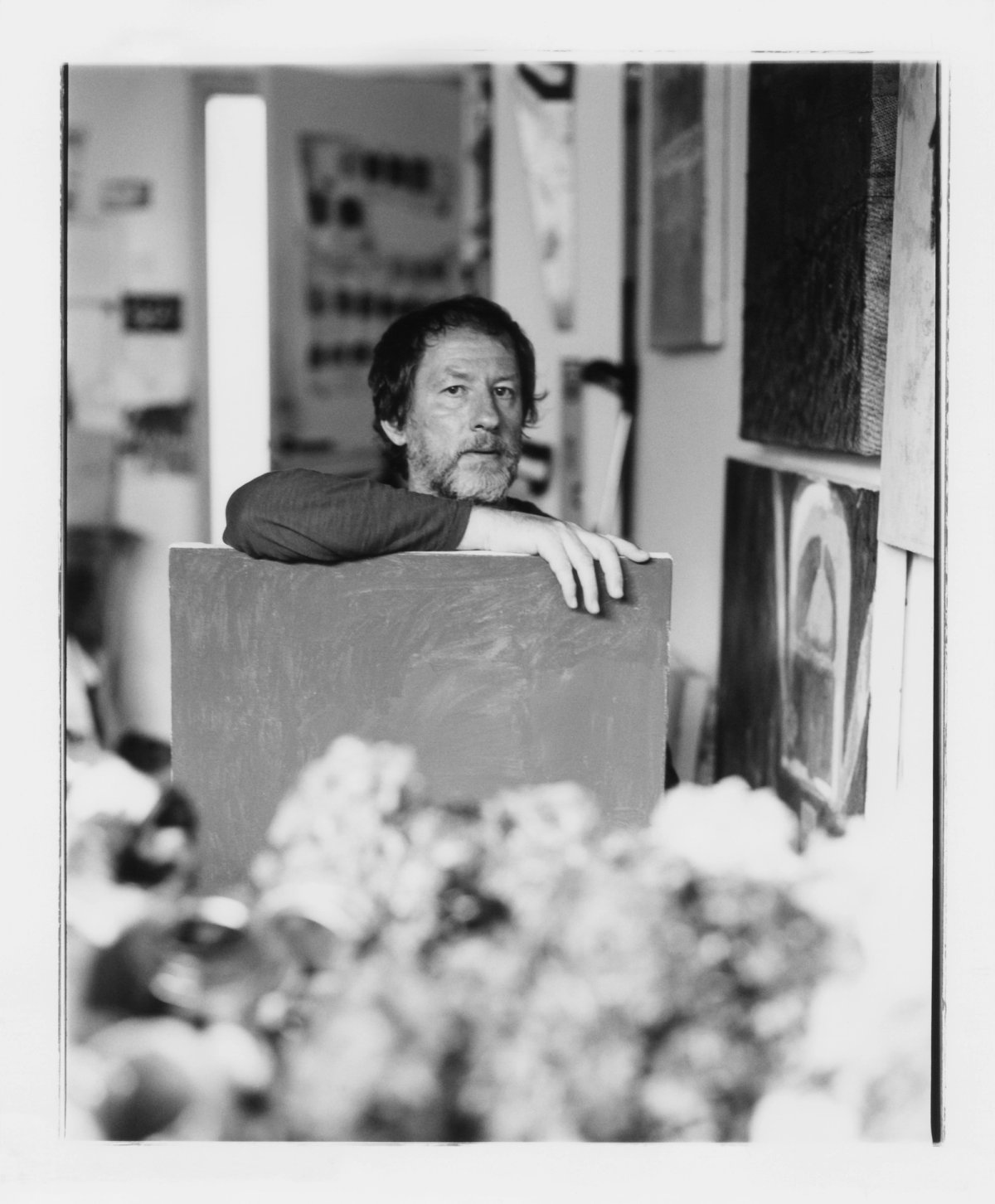
Andrew Cranston, who was born in 1969 in Hawick, Scotland, draws on experiences—moments seen, felt or remembered—which are filtered, embellished, complicated, and sometimes almost obliterated through the process of being painted. As well as reflecting on personal events, from childhood memories and the recollections of family members, to more recent rituals and exploits, Cranston’s pictures are rich in cultural resonance.
Images and ideas from the history of art and cinema, from poems and television series, are central to his work, whether as a core motif or a subtle reference in the title. As a result, his practice is deeply concerned with time and history—not just in recalling past events and experiences and transforming them in the present, but in his materials and methods.
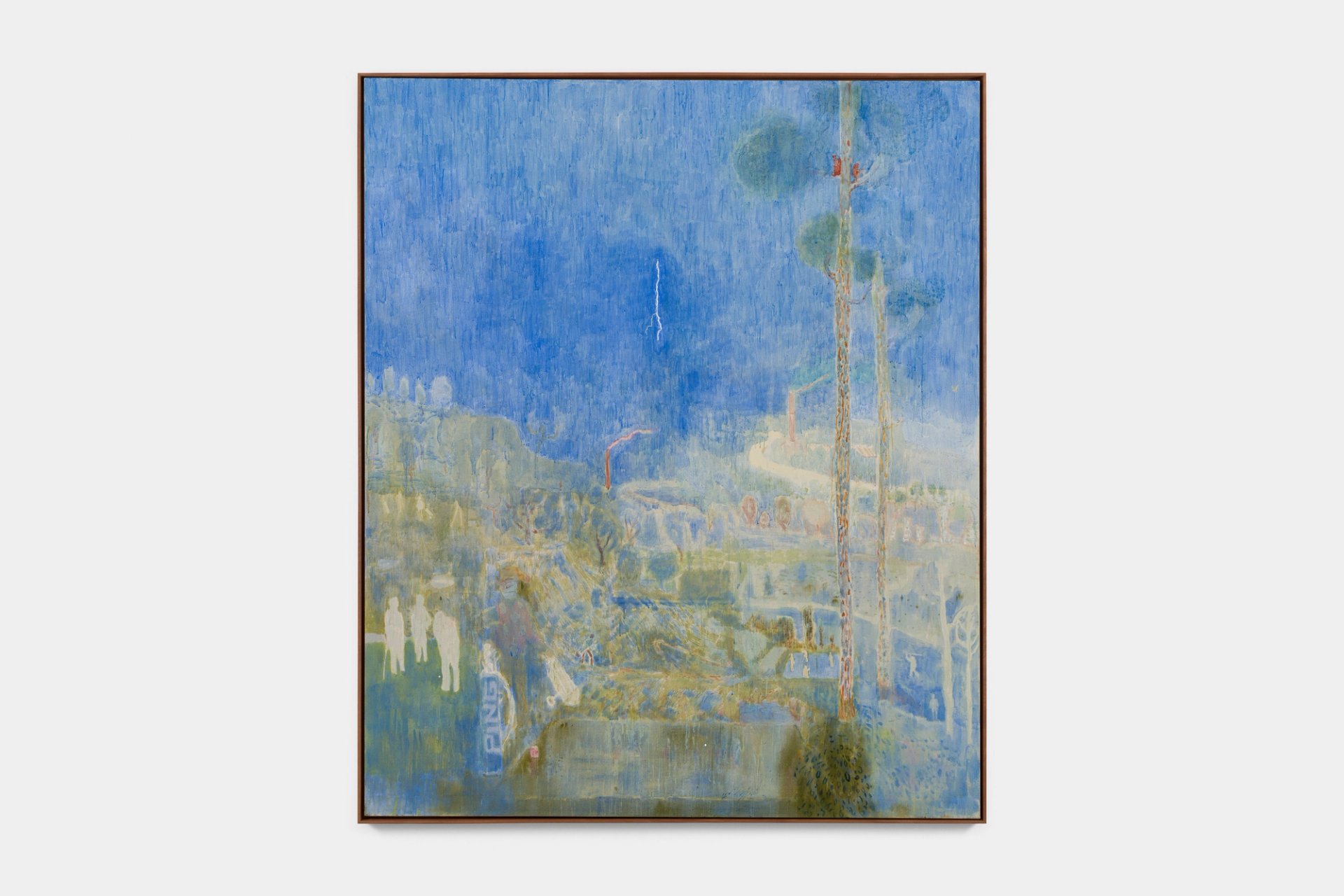
Andrew Cranston's I thought I saw an eagle (2026) Courtesy the artist and Modern Art © Andrew Cranston Photo: Modern Art
He often uses the covers of old hardback books, bleached by light over the years, as a surface, for instance, and the paintings hold time in their very physicality—in the immediacy of a painted gesture, in the steady build-up of layers and marks, and in the hints of their journeys to completion.
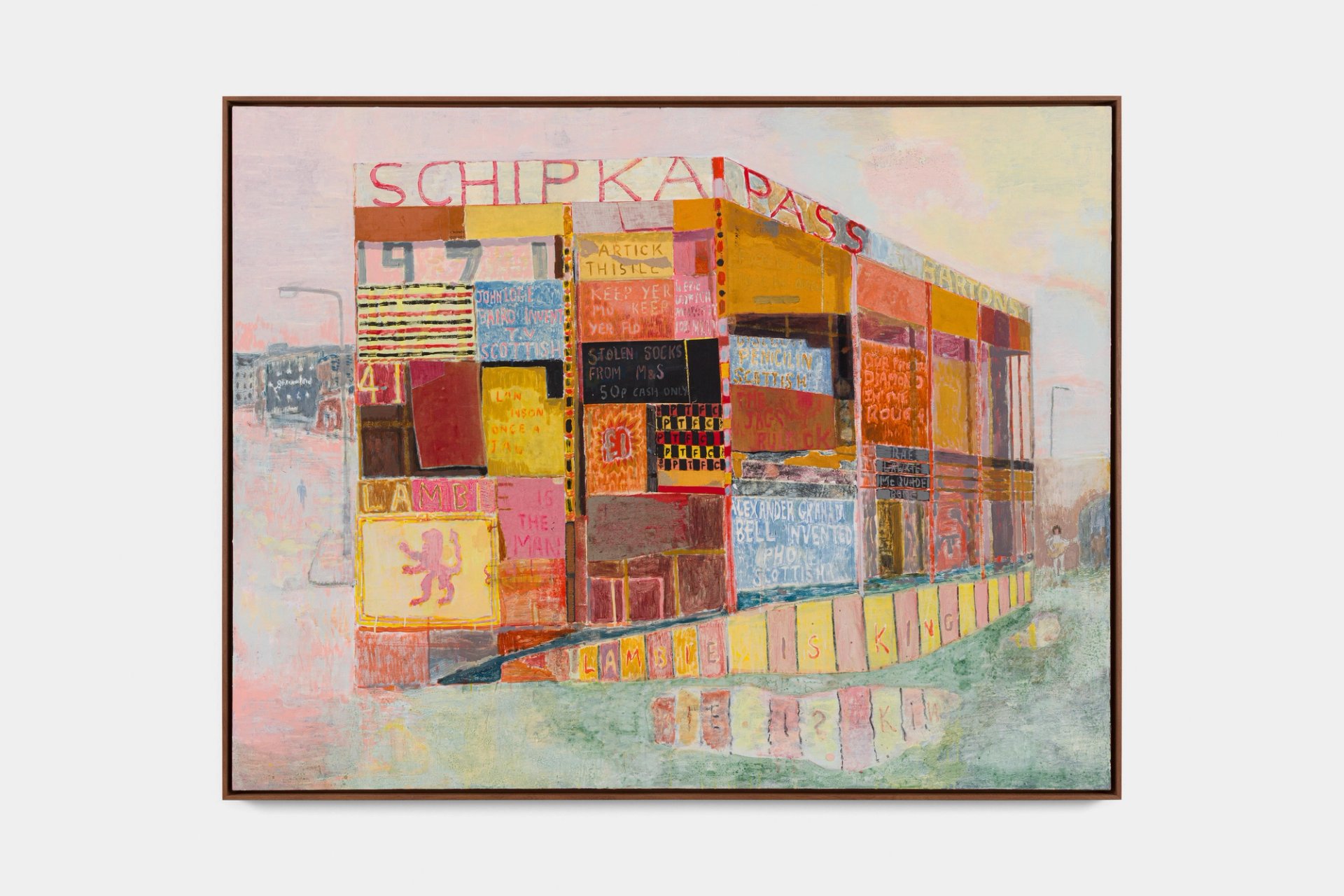
Andrew Cranston's The ghost of Lambie (2026) Courtesy the artist and Modern Art © Andrew Cranston Photo: Modern Art
Cranston’s paintings reflect his medium’s capacity for thrillingly diverse effects, modes and moods; they are full of poetry and longing, as well as absurdity and joy. He reflects on the fragility of his images, how with reiteration they gain meaning and weight. He talks about the silence in his works and what he calls his “fight with visibility”.
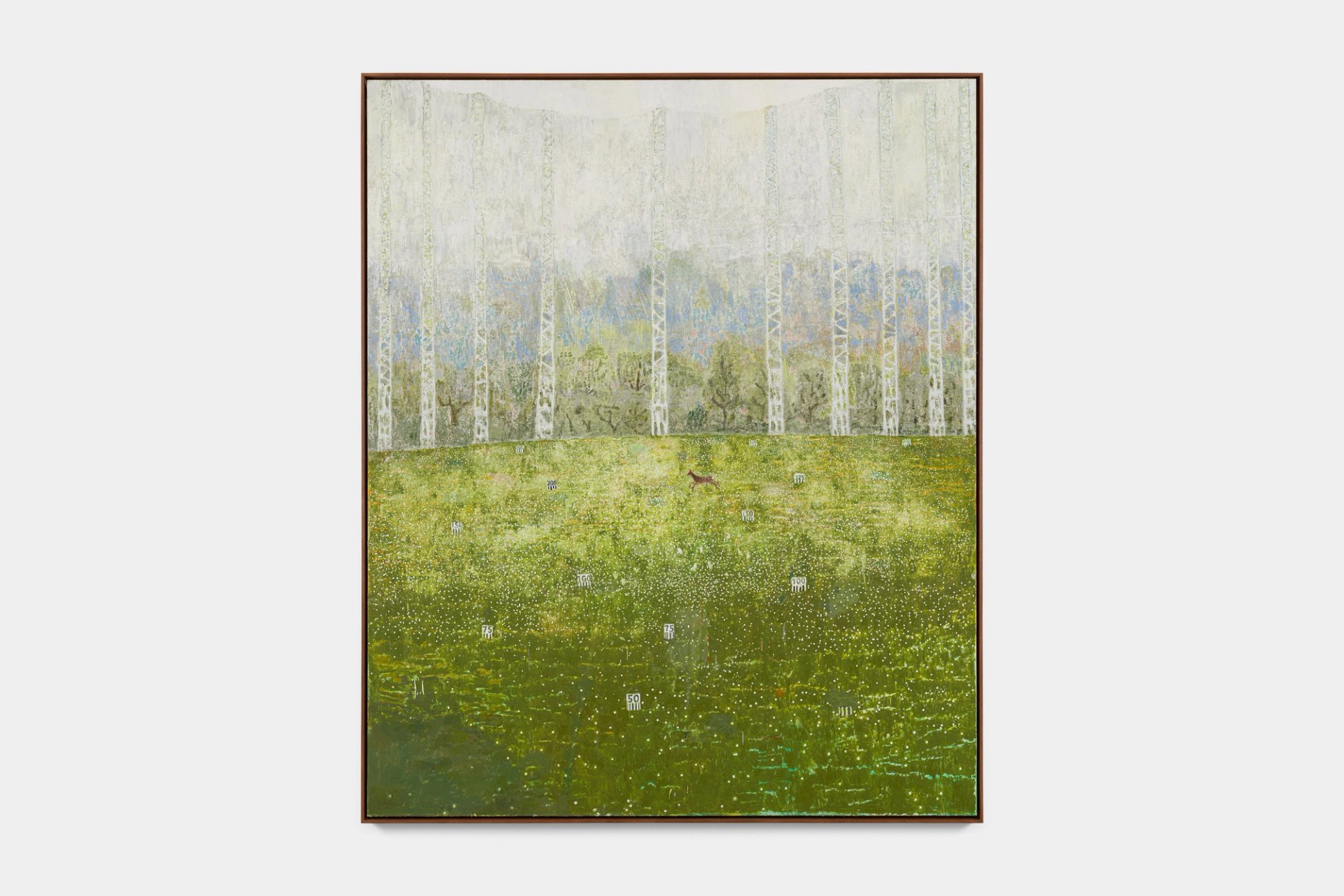
Andrew Cranston's Practice (2026) Courtesy the artist and Modern Art © Andrew Cranston Photo: Modern Art
He discusses a wealth of painterly influences, from Pieter Bruegel the Elder to Paul Klee, Pierre Bonnard and Winifred Nicholson, writers including Hugh MacDiarmid and Elizabeth Bishop, and cinematic and televisual references including the films of Nicholas Roeg and the teleplays of Dennis Potter. Plus, he gives insights into his life in the studio and answers our usual questions, including the ultimate: what is art for?
• Andrew Cranston: I’m going in a field, Modern Art, Bennet Street, London, until 30 May
This podcast is sponsored by Bloomberg Connects, the arts and culture platform. Bloomberg Connects offers access to a vast range of international cultural organisations through a single click, with new guides being added regularly. They include several UK museums in which Andrew Cranston has had exhibitions, including The Hepworth Wakefield, The Pier Arts Centre in Stromness, Scotland, and the Holburne Museum, Bath. On the Holburne guide, you can listen to the fashion designer Zandra Rhodes talk about numerous items in the exhibition of her work, which continues until 10 May 2026. You can also read, watch and listen to the stories of key pieces in the Holburne’s collection. Features include those on past exhibitions, among them Andrew Cranston’s exhibition with Winifred Nicholson, called Dreams of the everyday. And you can take a Bridgerton Tour, with Adjoa Andoh, who plays Lady Danbury in the Netflix series—the exterior of the Holburne is used as the location for Lady Danbury’s house in the programme.