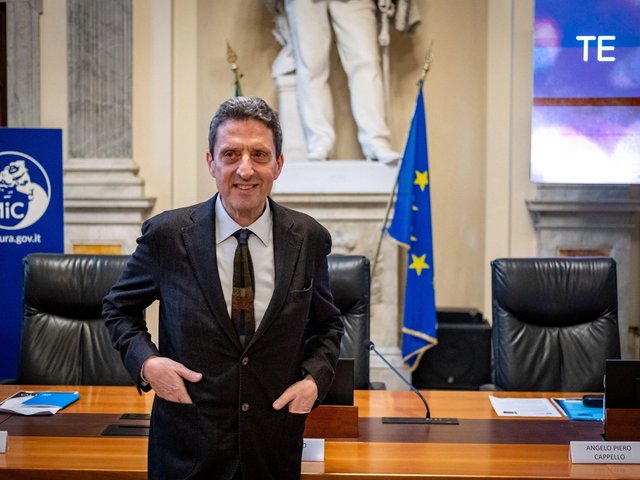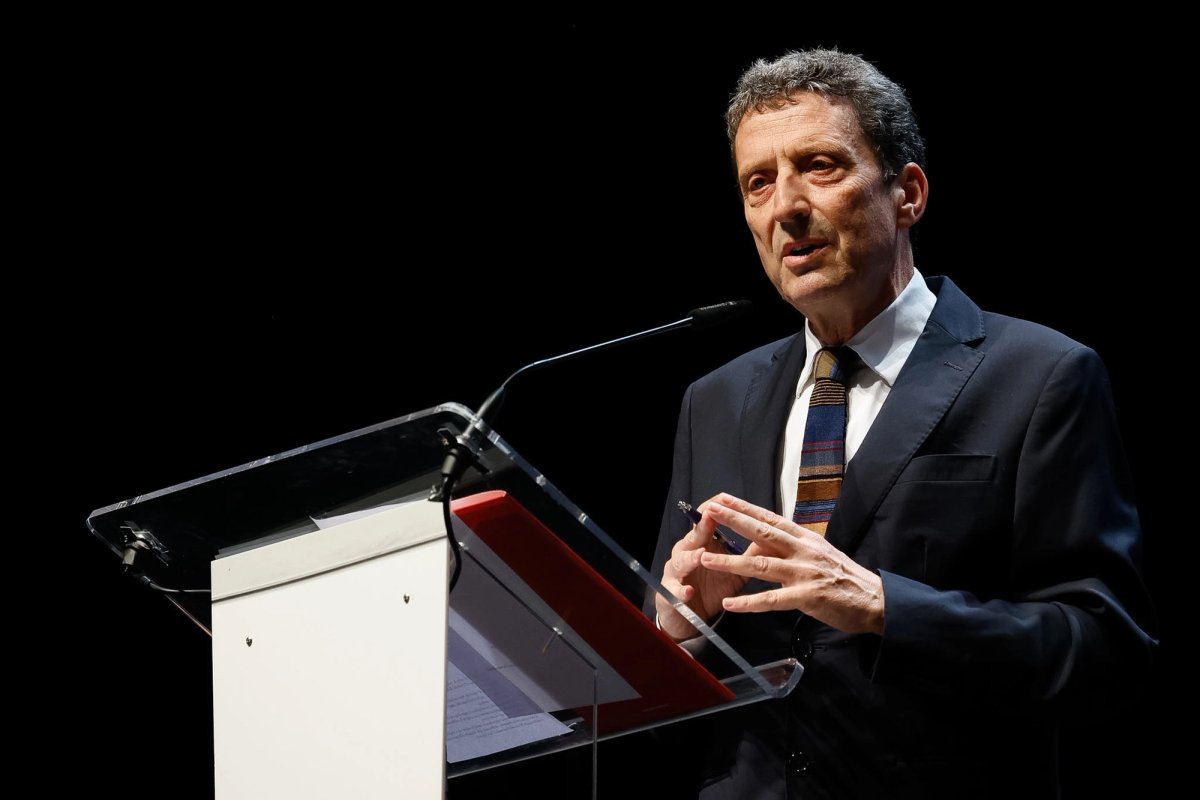
The Venice Biennale president Pietrangelo Buttafuoco has lashed out at his critics, accusing them of “narcissism” and “censorship” in a passionate defence of his record three days before the art event opens to the public. His comments, at a conference at Teatro Piccolo dell’ Arsenale on Wednesday (6 May), came amid controversy over Russia and Israel’s participation.
“Move forward, be bold and develop and bring your projects to fruition freely,” Buttafuoco said, quoting the words of Italian president Sergio Mattarella at a separate cinema award ceremony in Rome a day earlier. “If the Biennale started selecting works [on the basis of] passports, it would cease to be what it has always been: the place where the world comes together."
Buttafuoco added: “Ukraine and Russia are represented at the Biennale Gardens today”.
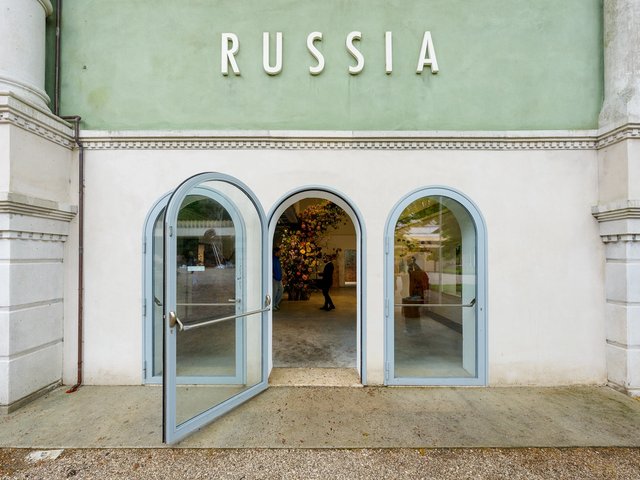
Russia's return to the world's oldest and most prestigious art biennial this year, for the first time since is full scale invasion of Ukraine in 2022, has prompted outrage from Italy's government, with Alessandroi Guili, the culture minister, last week sending inspectors to determine what role the Biennale's management played and whether this amounted to a breach of sanctions. The report was submitted this week to Palazzo Chigi, the office of prime minister Giorgia Meloni, and has been published in full by media outlets.
In seven pages of minutes detailing interviews conducted by culture ministey officials, Biennale representatives claimed Russia had not been formally invited to the event, noting that decisions about whether to participate are made by the countries themselves; that compliance with international sanctions on Russia had been evaluated "where possible based on the available information"; and that the Biennale was considering how to respond to a request last week by the lawyers of Belu Simon Fairanu, the artist representing Israel, to pay damages for "discrimination" following the jury's decision last month to exlude countries whose leaders are under arrest warrants from the International Criminal Court for crimes against humanity. Representatives interviewed by ministry officials said they were "conversing" with the jury's former members as they evaluated how to respond to Fairanu's lawyers, according to the report.
The Biennale jury resigned a week later The Art Newspaper has approached the Biennale for comment.
In his conference address, Buttafuoco said critical politicians had been “reduced to the rank of furies”, the goddesses of vengeance who in Greek-Roman mythology punish crimes, and accused them of "undermining the stability of cultural institutions". In an apparent swipe at Giuli, he added: “We call on the institutions to engage in dialogue, not to circulate documents under the table.”
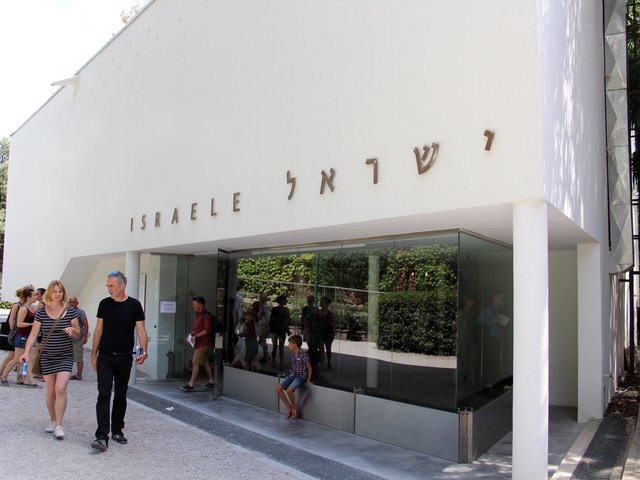
Israel's involvement has also sparked controversy. Art Not Genocide Alliance (ANGA), a coalition of arists, curators and art workers, in March delivered a letter signed by Biennale workers accused the Israel of genocide and called for its exclusion. As of 4 May, the letter had been signed by 232 people.
Israel’s involvement this year marks a return. In 2024, the artist and curators representing Israel at the Biennale announced that the pavilion would be closed until a ceasefire and hostage release agreement had been reached.
During Wednesday's address, Buttafuoco condemned the “need for censorship and exclusion, which can only satisfy the ego and narcissism of those who, shut away in the comfort of their own homes, think they can resolve everything with a stroke of the pen—that is, a signature— and then move on".
The Biennale's press opening has been marked by protests, with 200 people attending a demonstration organised by ANGA, and Russian dissident art group Pussy Riot joining forces with feminist activist group FEMEN to surround the Russia pavilion, on Wednesday. Cultural workers and participants at the Venice Biennale plan to go on strike tomorrow (8 May).
The Russia pavilion is open during the ongoing four-day press preview, but will close for the six-month show because of EU sanctions. Videos will be projected onto its external wall during the closure.
Buttafuoco reserved praise for Meloni, who told reporters last week that, despite opposing Russia's participation, she respected the Biennale's "autonomy". She described Buttafuoco as "a friend" and said his decision to introduce visitors' prizes following the resignation of the jury was "ingenious".
“[Meloni] expressed the necessary caveat: ‘I don’t agree, but…’," Buttafuoco said. "It is precisely that ‘but’ that, in its own way—and I thank her for it—confirmed, resoundingly and definitively, freedom and autonomy.”