A chute hidden within a Manhattan museum’s walls is making international headlines while facing structural threats.
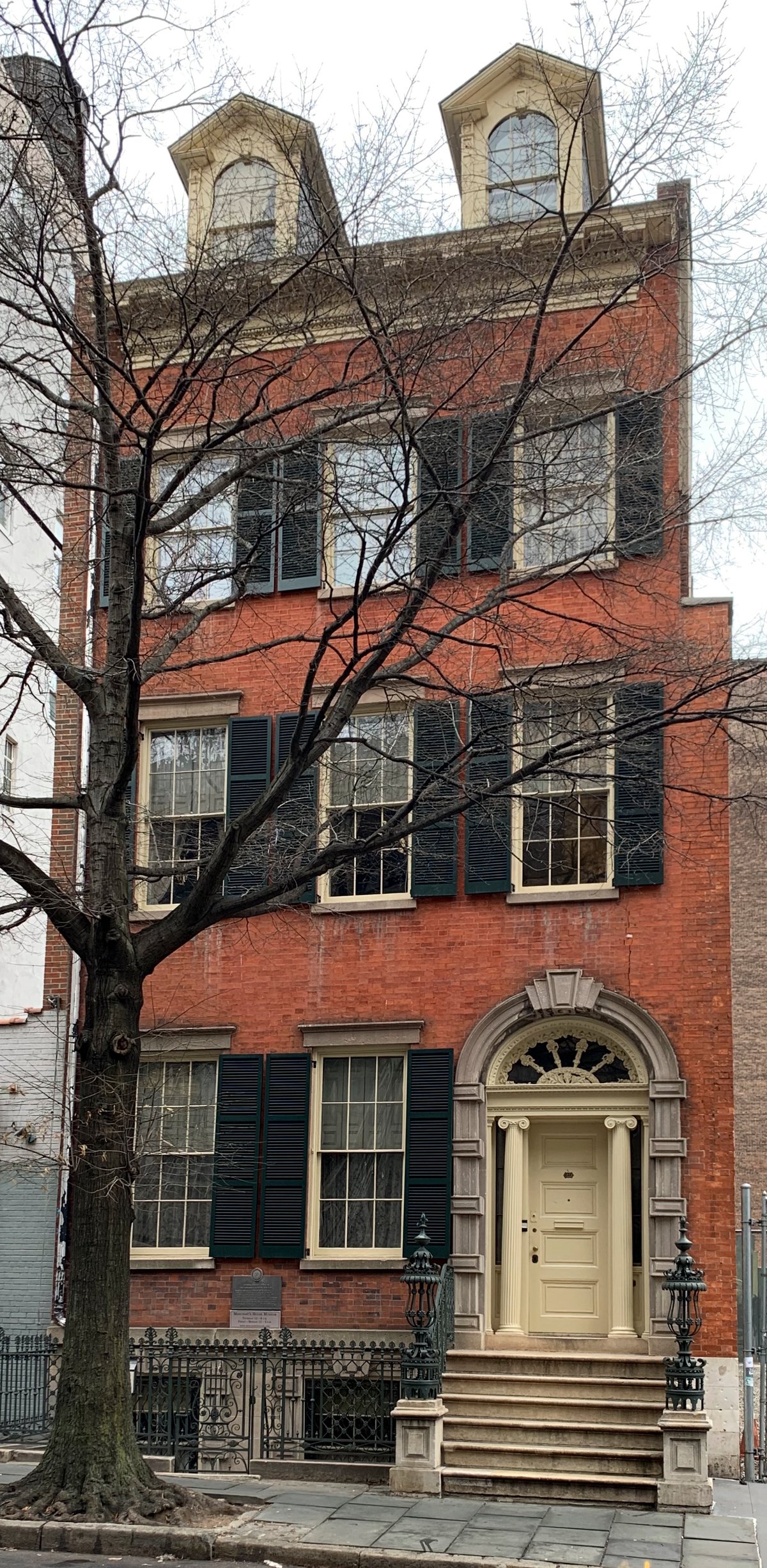
The vertical passageway, about two feet square, connects a basement pantry and second-floor bedrooms at the Merchant’s House Museum—a brick rowhouse on East 4th Street built in 1832 for a prosperous hatter Joseph Brewster, and his wife, Susanna. Since the 1930s, the house has been open to the public. Only recently have the Brewsters been identified as fervent abolitionists, part of a network of Northerners who helped Black people escape from Southern enslavers via scattered safehouses known collectively as the Underground Railroad. Black fugitives could access the Brewsters’ Manhattan refuge via a hatch in a corridor’s built-in dresser.
This cramped waystation is “really carefully crafted”, Emily Hill-Wright, the museum’s director of operations, tells The Art Newspaper. Along the chute’s interior, wooden slats serve as a rough ladder. In the rowhouse’s first-floor parlours, lavishly ornamented with floral plasterwork, the Brewsters’ guests would not have suspected that a hideaway lurked behind bulges in the walls.
Hardly any other purpose-built Underground Railroad bolt-holes survive. Even fewer are in publicly accessible buildings. Eric K. Washington, a scholar specialising in the history of Black New Yorkers, says the find at the Merchant’s House is not only exceedingly rare but also fascinatingly “incorporated into the architectural plans”.
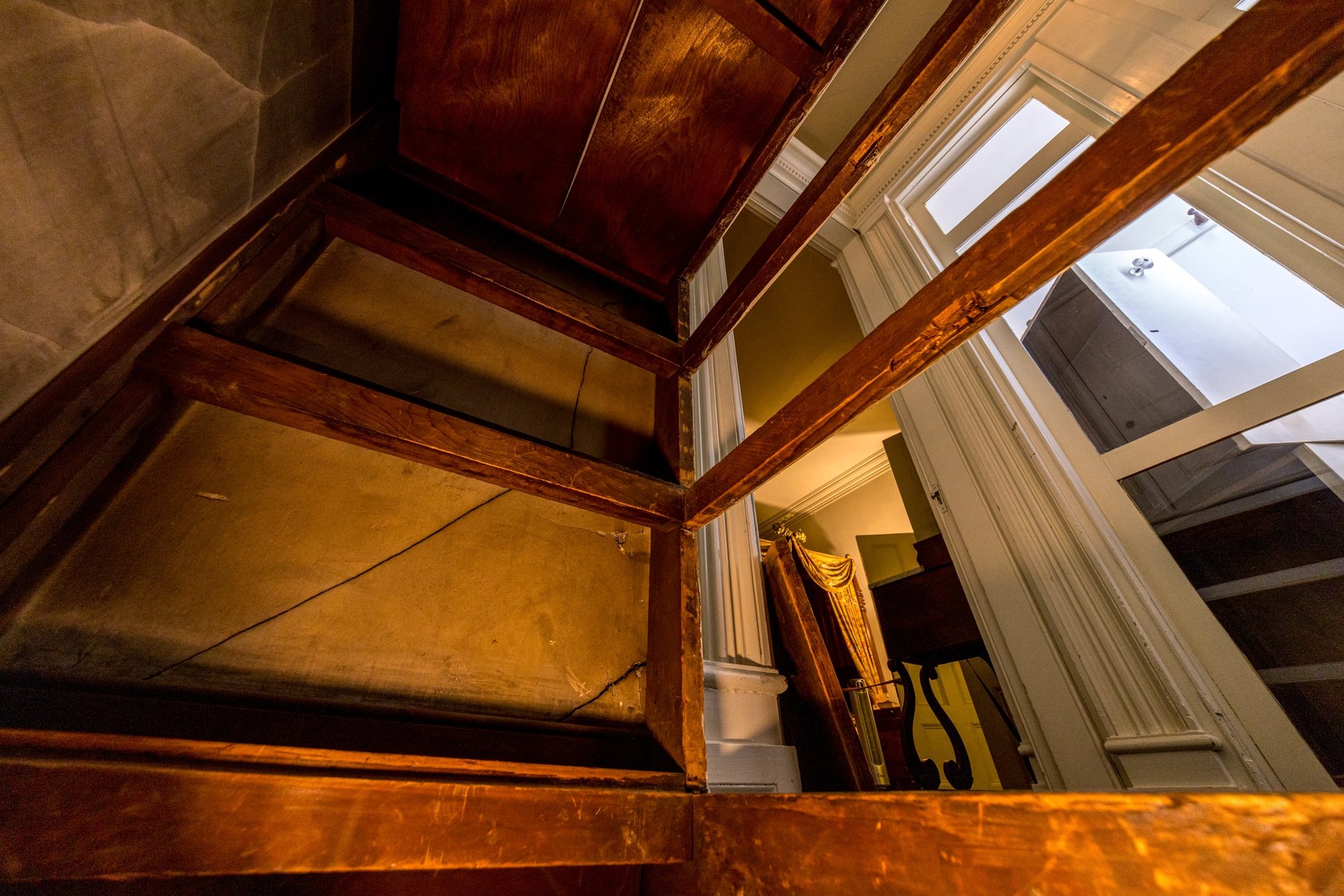
A built-in hallway dresser served as an entrance to the chute Courtesy of Merchant's House Museum
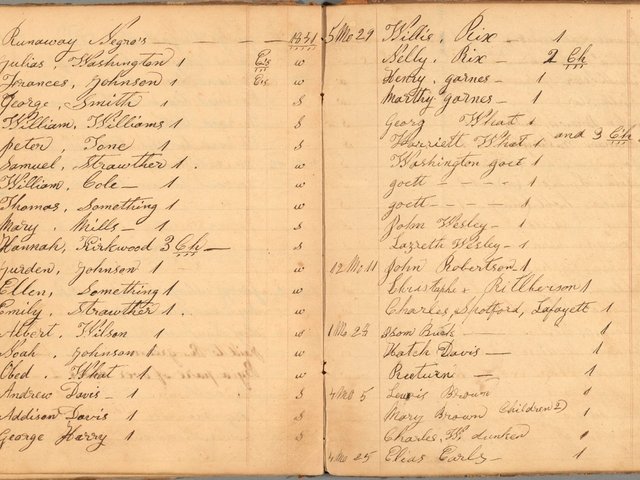
Archival digging in the past few years has revealed that the Brewsters supported abolition despite risks of ostracism, arrest or assault. Many of their fellow New Yorkers, economically dependent on cheap goods made by captive labour in the South, were pro-slavery. The couple helped lead racially integrated Presbyterian congregations, and Joseph signed antislavery petitions. At one church, he authorised construction of a false floor beneath some pews—useful for abolitionist subterfuge. Friends and relatives ran antislavery activist groups and Underground Railroad outposts from Staten Island to Canada.
No paper trail has been found to document why the Brewsters built a shaft into their walls. But its very existence bears witness. Patrick Ciccone, a historic preservationist and coauthor of Bricks and Brownstone: The New York Row House, describes the chute as “completely atypical” of the era’s interiors and with no plausible explanation other than as a space designed to shield freedom-seekers.
In 1835, the Brewsters sold the rowhouse to the Tredwell family, who made their fortune in hardware and real estate. The Tredwells’ décor—mahogany furniture, crystal light fixtures, crimson drapery—was preserved when the building became a museum. Theories have abounded for a century about how past inhabitants used the hatchway and shaft: for eavesdropping on conversations, conducting clandestine love affairs, accessing hardware for the parlours’ sliding doors or transporting food, laundry or contraband.
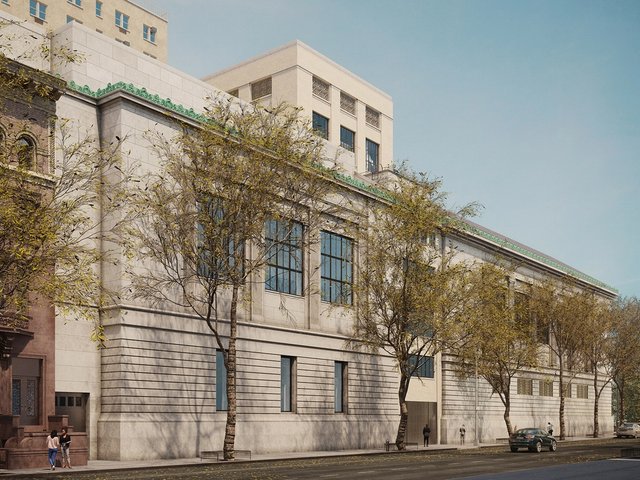
The museum’s western wall, which contains the hideaway, adjoins a one-story garage that is slated to be demolished to make way for a commercial building. The museum team is spearheading opposition to the proposed development, given the risk of damage to the rowhouse and its contents. The developers have offered to monitor their neighbour for signs of vibration damage during construction. But Michael Devonshire, a preservation architect who has worked on the museum since the 1990s, warns that “once the monitors tell you that there’s serious vibration, it’s too late” to prevent structural collapse. (The developer’s team declined a request for comment.)
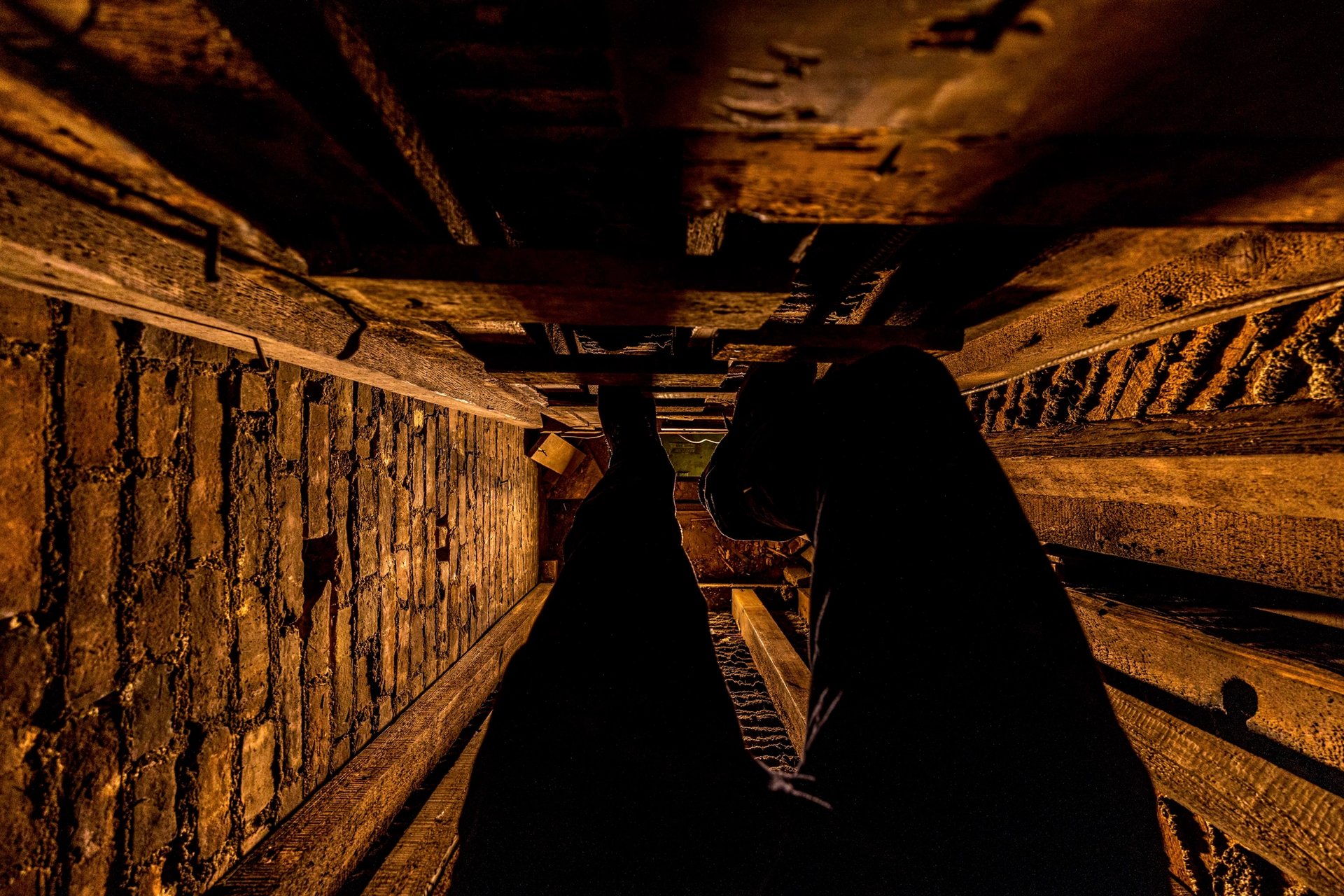
The chute is accessed via a rough slatted ladder Courtesy of Merchant's House Museum
Devonshire has explored every inch of the Brewsters’ chute. In its depths, he says, “you can palpably feel the fear that someone would have experienced hiding in there”.
Since February, when the news broke that abolitionists had engineered the shaft, hundreds of media outlets have reported the story—from the New York Post and New York Times to People, The Times of India and Popular Mechanics. “We were not anticipating the crush of press,” says Hill-Wright, adding that the museum’s guided tours have been selling out.
Many ticket-holders have compared the dresser hatchway to places that their own families and contemporary asylum-seekers might have used while on the run from persecution. “It’s been emotional for a lot of our visitors,” Hill-Wright says.
The museum is now developing programmes and exhibitions focused on the Underground Railroad. Politicians and activists have joined the museum in calling for the city to acquire the adjacent garage site for use as an Underground Railroad education centre. “It would be a place of remembrance,” Hill-Wright says, “and also for ongoing research.”