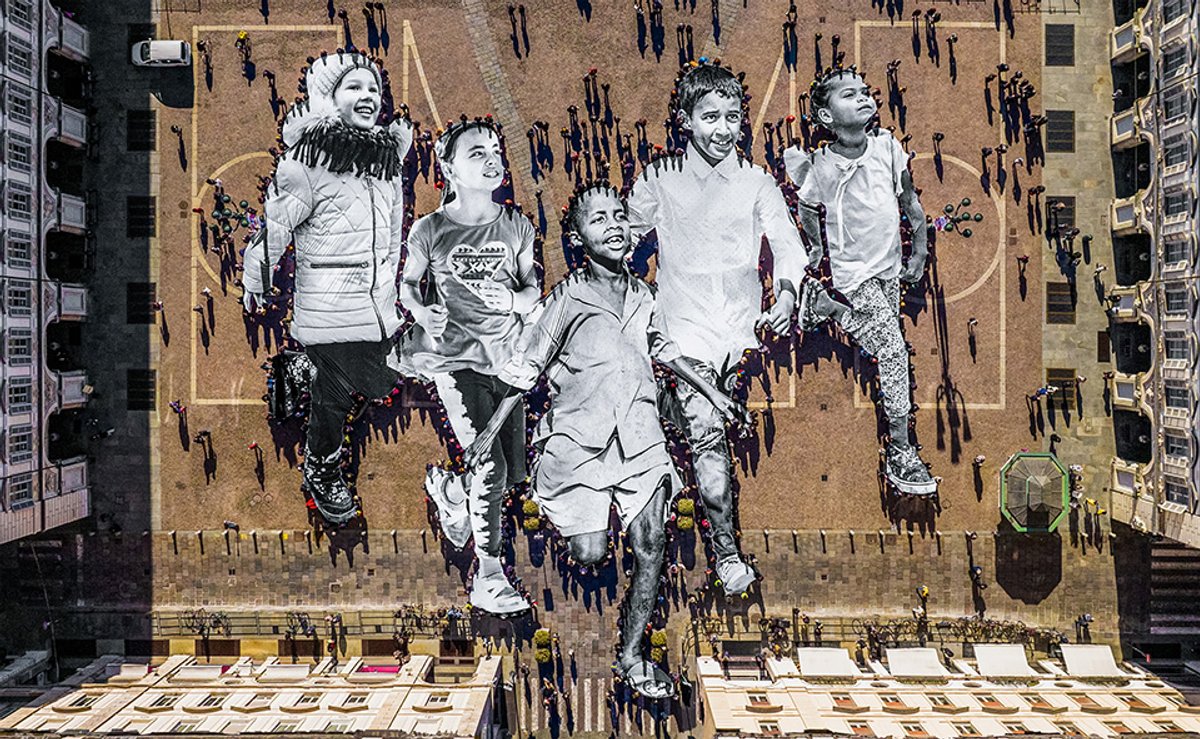
JR (Basic Art Series), Janis Mink, Taschen, 96pp, £15 (hb)
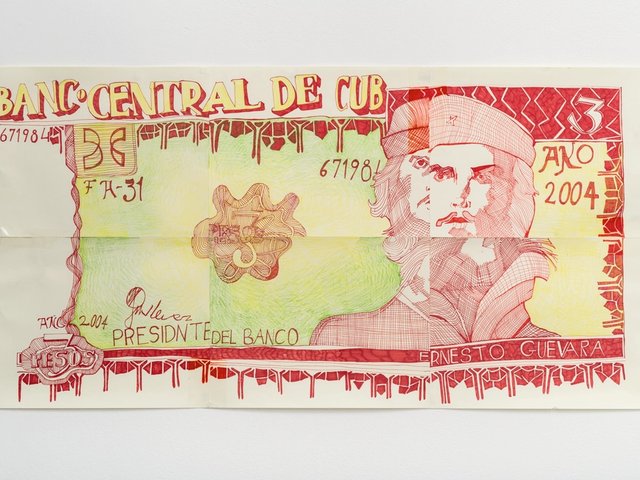
This new volume examines all major works created by JR, the ubiquitous French street artist, through behind-the-scenes photography and extended essays. Projects featured include the series Déplacé·e·s whereby the artist unfurls large-scale images of refugee children across cities such as Turin in Italy and Lviv in Ukraine. “Works like Migrants: Mayra, Picnic across the Border (2022) are staged encounters as much as images—curated spaces where barriers, physical and psychological, momentarily dissolve,” says a publisher’s statement. Taschen is also publishing a new “project book” charting the development of JR’s latest monumental intervention from 6 to 28 June——the wrapping of the Pont Neuf in Paris in honour of Christo and Jeanne-Claude’s 1985 project, The Pont Neuf Wrapped (JR, La Caverne Du Pont Neuf, £40, from 12 June).
High Waters: An Oral History of the Venice Biennale, Massimiliano Gioni (editor), jrp editions, 200pp, £22 (pb)
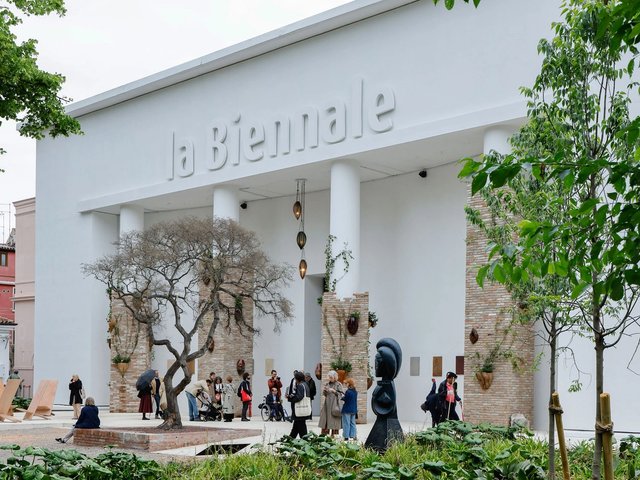
The artistic director of the New Museum in New York, Massimiliano Gioni, gives a behind-the-scenes account of the Venice Biennale through conversations with 16 of the curators that have worked on the world’s most prestigious exhibition (Gioni was artistic director in 2013). “This anthology of interviews conducted by Gioni proposes a 33-year journey, from 1993 to 2026, recounting the various approaches, visions and challenges faced by the curators through anecdotes and memories of their experiences,” says a publisher’s statement. Ralph Rugoff, who oversaw the 2019 edition, says that the Biennale “has to be grounded in its own time; it’s almost like a recording device.” Adriano Pedrosa, who helmed the 2024 show, says that “there are no rules, of course, and the Biennale should be reinvented every two years”. Francesco Bonami (2003), Bice Curiger (2011) and Daniel Birnbaum (2009) also feature.
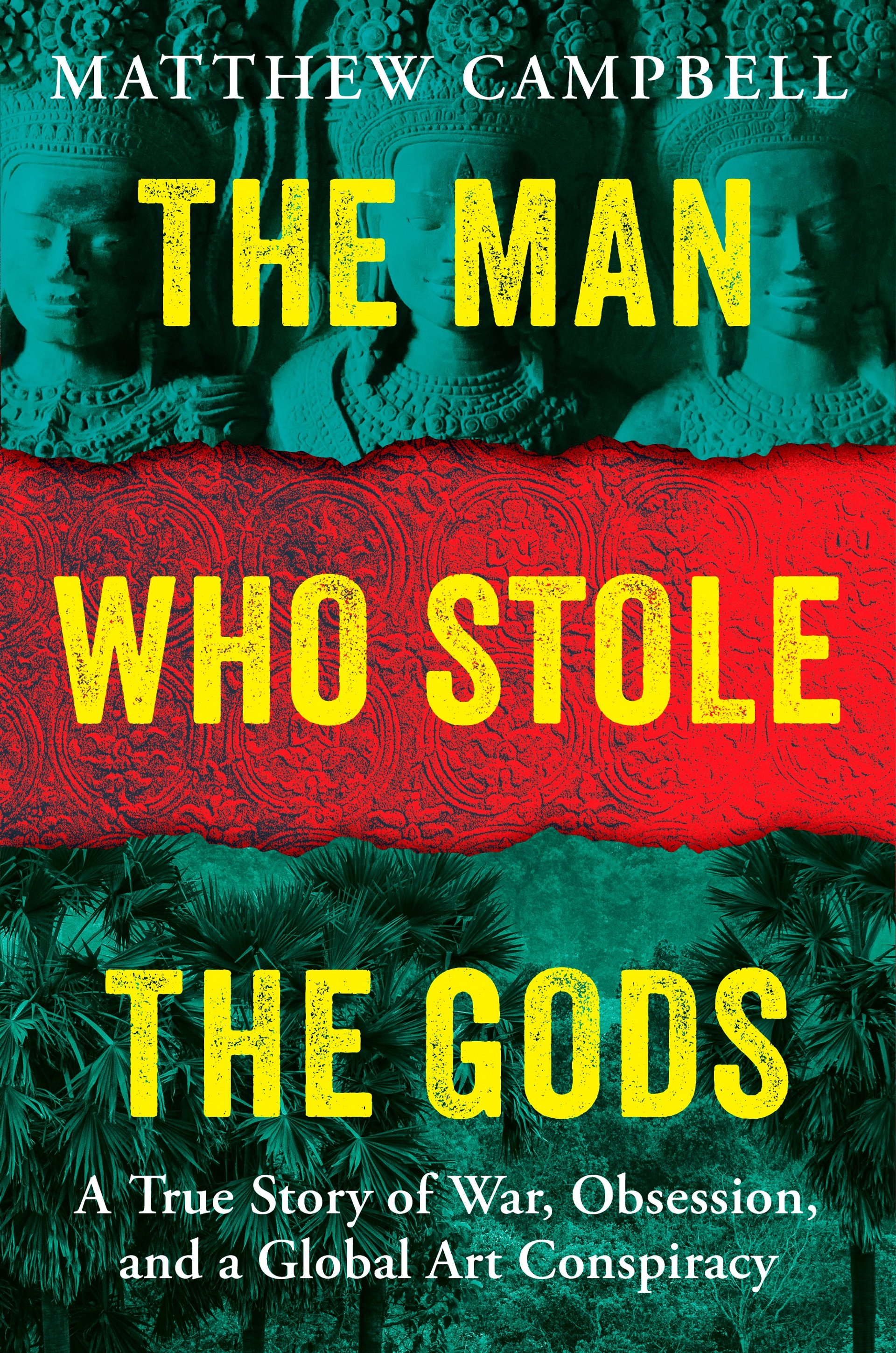
The Man Who Stole the Gods: A True Story of War, Obsession, and a Global Art Conspiracy, Matthew Campbell, Penguin Business, 432pp, £20 (hb)
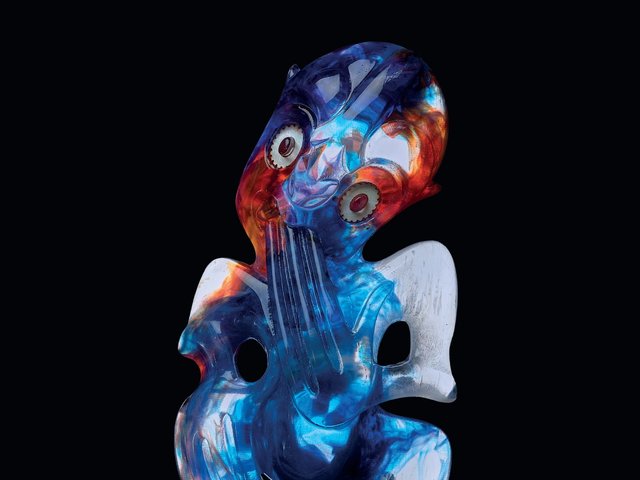
Matthew Campbell, a reporter at Bloomberg Businessweek, examines how the notorious late antiquities smuggler Douglas Latchford plundered and sold numerous Southeast Asian artefacts over decades. Between 2003 and 2020, Latchford received more than $12m in UK and New York bank accounts as payment for selling stolen and smuggled antiquities from Southeast Asia to buyers and dealers in the US, the Justice Department has said. “I felt compelled to write the book after meeting some of the people investigating Latchford and his network, and seeing how passionate they were about unravelling this monumental mystery,” Campbell tells The Art Newspaper. The author draws on “years of investigation and exclusive access to the stories’ key players, from temple looters and traffickers to the investigators and archaeologists fighting to bring masterpieces home”, says a publisher’s statement.
How Did We Get Here: Reading Vasif Kortun, Sezin Romi (editor), Archive Books/Salt, 288pp, €20 (pb)
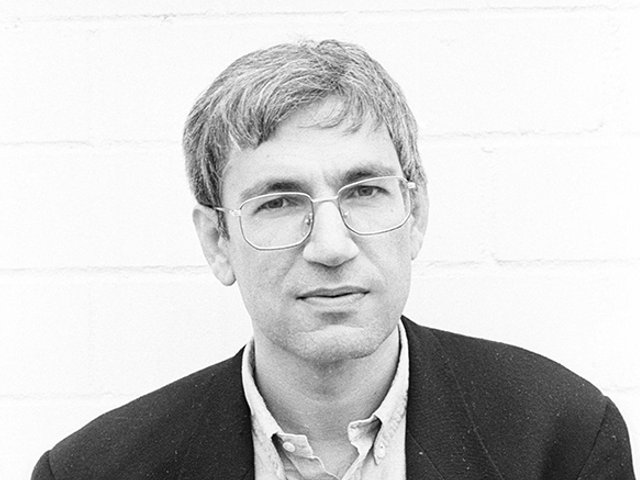
The established Turkish curator Vasif Kortun outlines his extensive experience in the art world in an in-depth discussion with Sezin Romi, the archivist at Salt (the contemporary art organisation in Istanbul led by Kortun from 2011 to 2017). “Our conversation begins with Kortun’s 1977 trip to Western Europe, which sparked his curiosity for contemporary art. We talk about his years of study, from [his time at] Boğaziçi University to New York University Institute of Fine Arts; his academic interests, moving from 19th-century art to contemporary practices; and his first encounters with the local Turkish art scene,” Romi writes. Kortun was the founding director of Platform Garanti Contemporary Art Center from 2001 to 2010; he also co-curated the ninth International Istanbul Biennial in 2005 and the sixth Taipei Biennial in 2008.