Shrinking is the new growing. Today, the New York Times reported that Pace gallery is to cut its workforce from about 250 staff to 200. Meanwhile it will shave off as many as 50 of its 135 artists, including teamLab, David Goldblatt and Grada Kilomba.
There are individual reasons for each gallery’s strategic decisions. Pace's chief executive Marc Glimcher describes the gallery's current model as “unfixable”, in a statement shared with The Art Newspaper. "The art world has changed dramatically over the past decade, and the Mega Gallery model of constant expansion and rising prices in the primary market to keep up with increasing costs is no longer sustainable, and no longer serves us or our artists," the statement reads.
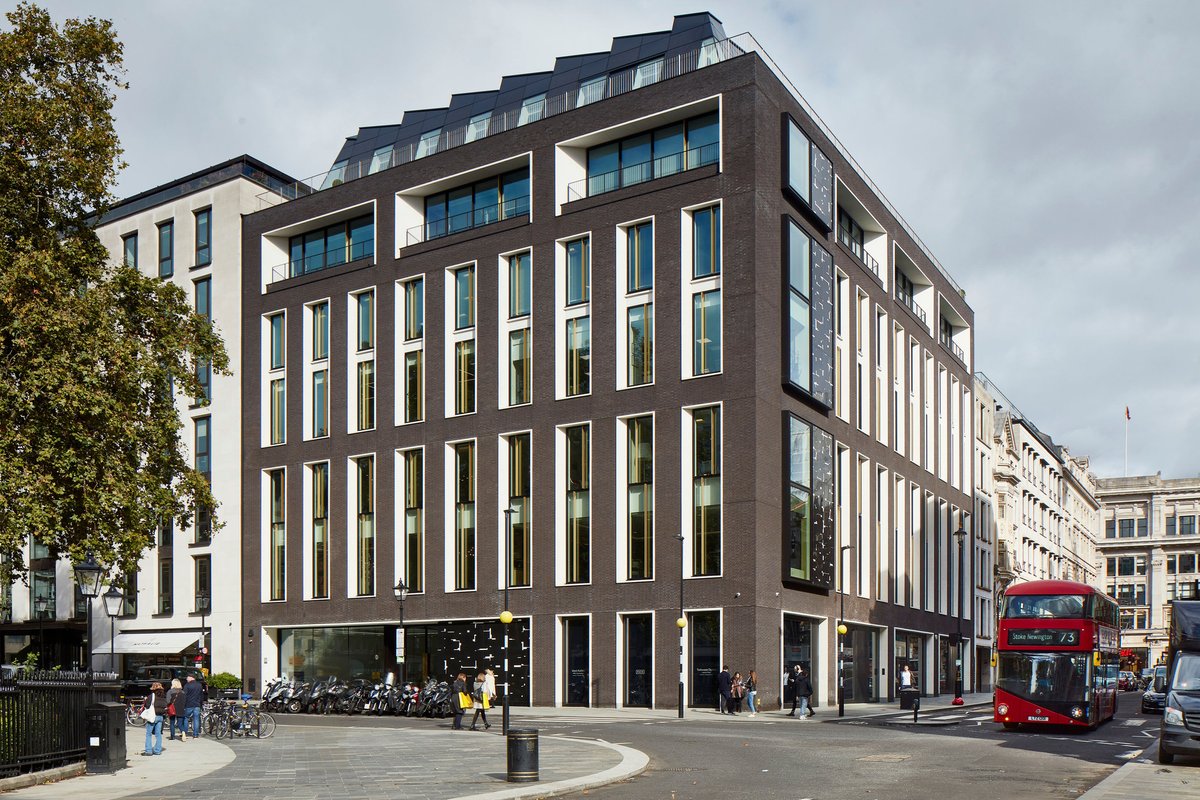
Pace will continue to operate as a global gallery, the statement continues, "with a presence in each of our current locations". The gallery has not yet specified if it is closing any of its seven spaces, from its mammoth New York headquarters to buildings in Seoul and London.
Of course, whether or not being a smaller but still quite big global gallery totally reinvents the wheel remains to be seen.
The news of Pace's shrinking comes off the heels off the closure of Tiwani Contemporary, the London and Lagos gallery founded in 2011. Its founder Maria Varnava cited “a backdrop of rising operational costs and wider market uncertainties,” which seems a more universal truth.
We are told, quite a lot at the moment, that there are more gallery openings than closures—this year’s Art Basel and UBS Art Market report went to great lengths to prove this to be the case. Ultimately, though, the metric isn’t that meaningful. Presumably Pace’s decision, while seismic in its ramifications for staff and artists, wouldn’t count as a closure. More to the point, it takes guts and vision to open a gallery, but sustaining it is another order of magnitude, and a reality that each closure underlines.
A London gallerist, in business for more than 20 years, tells me that she nearly went bust after the 2007-8 financial crisis, describing the subsequent few years as a “wobble moment”. Her way to hold on, she says, was “to learn to say no to things It made me so cautious, probably to a fault.”
We are facing the same problem now. The answer to making the numbers add up seems to be to do much less. Keeping it simple and small until the better times come back is the prevailing business plan, something that worked for the depleted gallery industry in the early 1990s.
In today’s art world, where available opportunities seem limitless and a lot of noise needs to be made to get heard, this is tough to navigate and, more worryingly, offers very few obvious growth areas for the traditional gallery system. Less-is-more is an appealing option, but, unlike in the early 1990s, the speed of the rest of the world, exacerbated by technology, means that bigger businesses can bring their versions of art to the fore, and power on regardless.
The authors of the recent bestseller business book, Abundance, write: “We do not subscribe to the seductive ideologies of scarcity. We will not get more or better jobs by closing our gates to immigrants. We will not turn back climate change by persuading the world to starve itself of growth. It is not merely that these visions are unrealistic. It is that they are counter-productive… They will do more harm than good.”
Their book looks mostly at US politics, healthcare and housing and while they don’t offer conclusive solutions, they point to the harms of increased regulation and institutional caution, both of which are familiar forces in the art world.
It isn’t in the gift of the small gallery businesses individually to move the dial. With their support though, the convening events—such as art fairs or gallery weekends—could and should find ways to make the industry’s voice heard. It would take some fundraising, in a competitive arena, but we know there is private money out there that is supportive of the art ecosystem. If ever there was a time to come together, ambitiously and effectively, lobbying for better outcomes, it is now. Before too many more galleries shrink or shut for good.