An extensive digital resource dedicated to Leonardo da Vinci has gone live, bringing together thousands of pages by the Renaissance artist cut into pieces and separated over 400 years ago.
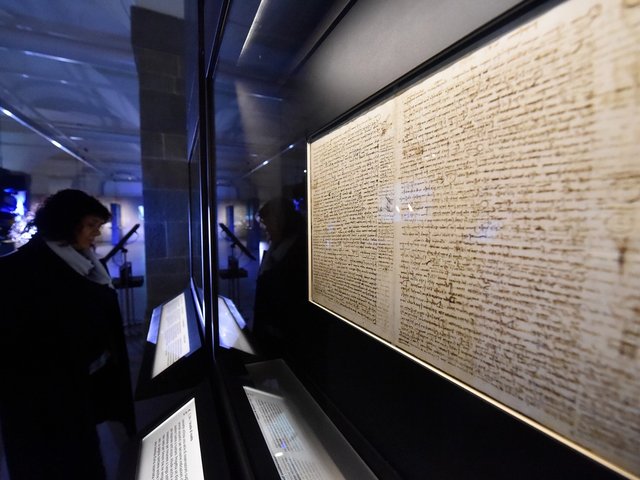
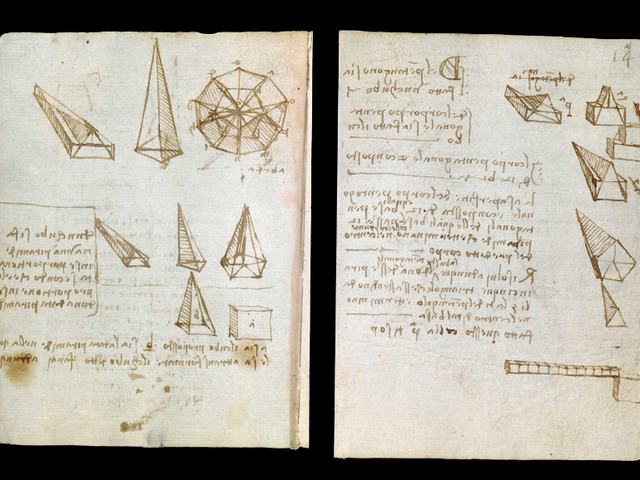
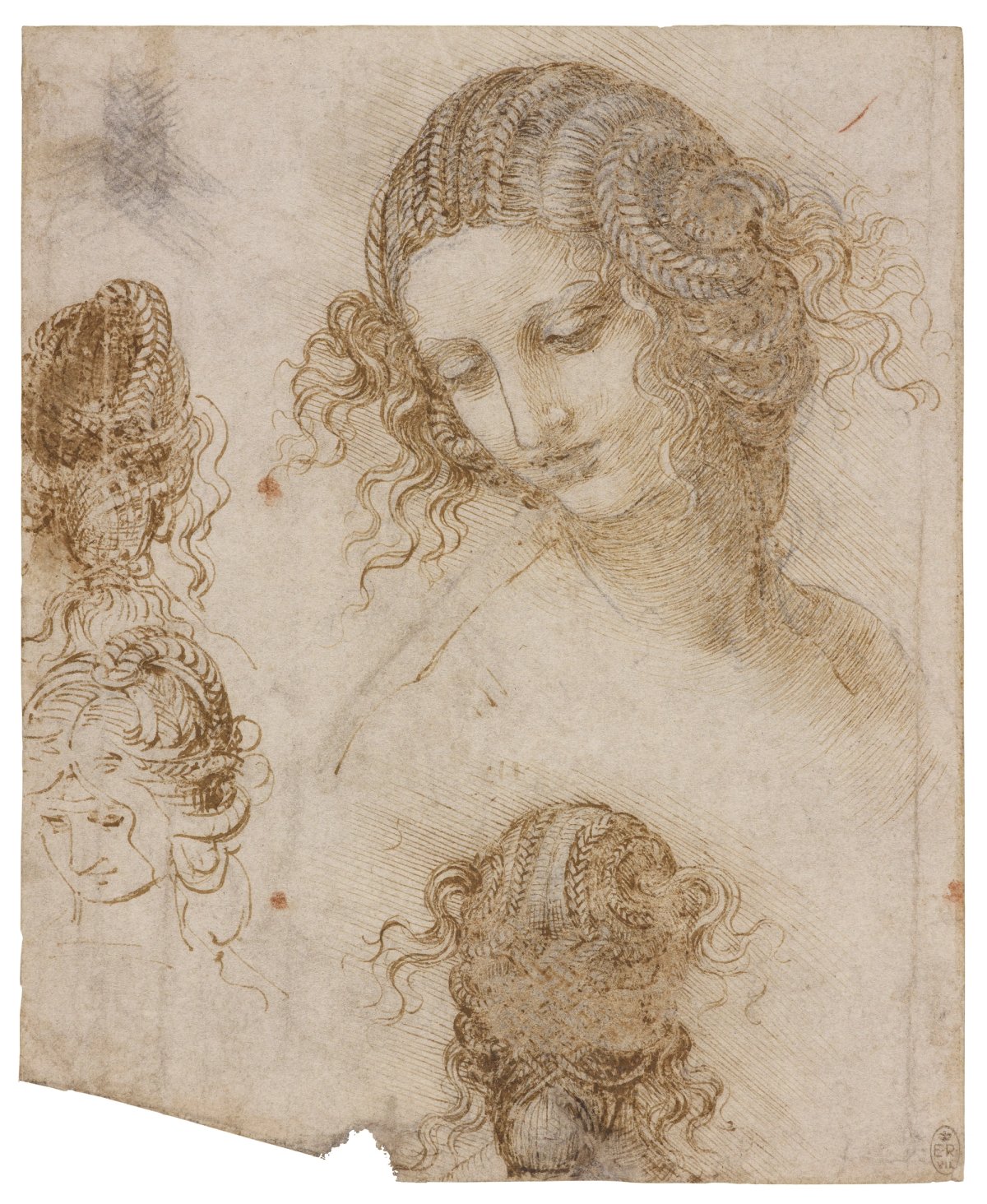
The project, known as Leonardotheka, merges the expansive Codex Atlanticus—the largest single collection of Leonardo’s writings, housed at the Veneranda Biblioteca Ambrosiana in Milan—with around 550 sheets from the Royal Collection at Windsor, in the UK.
Officials at Museo Galileo in Florence oversaw Leonardotheka, a ten-year initiative involving three organisations: the Royal Collection Trust, the Veneranda Biblioteca Ambrosiana and the Biblioteca Leonardiana in Vinci, Tuscany.
“Leonardotheka includes 50 confirmed page reconstructions, in which small page fragments held at Windsor have been returned to the pages of the Codex Atlanticus to restore their original context,” says a project statement.
One of the reconstruction reunites folio 399r of the Codex Atlanticus with folio 912345r from Windsor, bringing together a drawing of a horse with a written text on the corresponding classical Regisole equestrian monument in Pavia, near Milan.
When Leonardo died in 1519, his collection of manuscripts was inherited by his student, Francesco Melzi. Later these items became the property of the Italian sculptor Pompeo Leoni, who controversially dismounted and cut the folios, separating the material into two albums (one covered science and more technical topics, the other focused on Leonardo’s artistic and figurative workings).
In the early 17th century, Polidoro Calchi, Leoni’s son-in-law, owned the manuscripts. He sold the Codex Atlanticus album to Count Galeazzo Arconati, who donated it to the Veneranda Biblioteca Ambrosiana in 1637. The other album containing the figurative works entered the Royal Collection around 1670, probably as a gift to King Charles II.
Roberto Ferrari, the executive director of the Museo Galileo, says in a statement that the model for Leonardotheka sets a “compelling precedent for how cultural institutions can and must retain intellectual ownership of their digital endeavours, resisting the temptation to delegate such responsibilities to commercial platforms”.
He adds: “It stands in deliberate contrast to two equally reductive tendencies: the proliferation of generic digital libraries, which privilege breadth of content over depth of scholarship; and the growing effort to turn Leonardo’s legacy into a commercial asset, dressed up under the respectable guise of the so-called ‘cultural industry’.”
Half the funding for Leonardotheka comes from the Italian Ministry of Culture and the Ministry of Universities and Research. The remainder is provided by the Museo Galileo, mainly through ticket revenue.
Matthew Landrus, a specialist on Leonardo at the University of Oxford, expects the new resource to “help speed up and improve research for a broader group of people”, especially by bringing together the Codex Atlanticus and Windsor folios. “One benefit,” he tells The Art Newspaper, ”is to see Leonardo’s thought processes, the way he used his sheets of paper, what kind of interdisciplinary thinking was involved in each project, and how busy he was, studying for projects, working on various projects for several clients and associates at the same time.”