The Helen Frankenthaler Foundation announced its 2026 cohort of Frankenthaler Climate Initiative (FCI) grantees on Tuesday (16 June), awarding $4.5m to 83 visual arts organisations across the United States. This marks the programme’s largest funding cycle to date and underscores the growing integration of climate strategy into the cultural sector.
This sixth round of grants brings the FCI’s total investment to more than $21.8m since the foundation and Environment & Culture Partners launched the programme in 2021. Over that period, FCI has supported 295 institutions with grants aimed at reducing energy consumption, improving building performance and expanding clean energy infrastructure.
“Visual arts organisations occupy a category of physical infrastructure that’s easy to overlook in conversations about climate-responsive building work: new and historic museum buildings, university art galleries, artist residencies, community art centres, artist-centred foundations,” James Merle Thomas, the director of the Helen Frankenthaler Foundation, tells The Art Newspaper.“These buildings carry irreplaceable cultural material and legacy and serve as anchors for the communities around them—and most of them have been underfunded for the kind of energy and emissions work this moment demands.”
This year’s cohort expands the programme’s reach to 75% of the US and its territories. The funds support projects at varying stages, with the smallest award this year at just under $5,000 and the majority in the $25,000 to $100,000 range depending on the type of grant. Some institutions are undertaking preliminary energy audits and feasibility studies, while others are moving ahead with major infrastructure upgrades. Funding also supports upgrades to historic buildings, a recurring challenge for organisations that must balance preservation requirements with environmental goals.
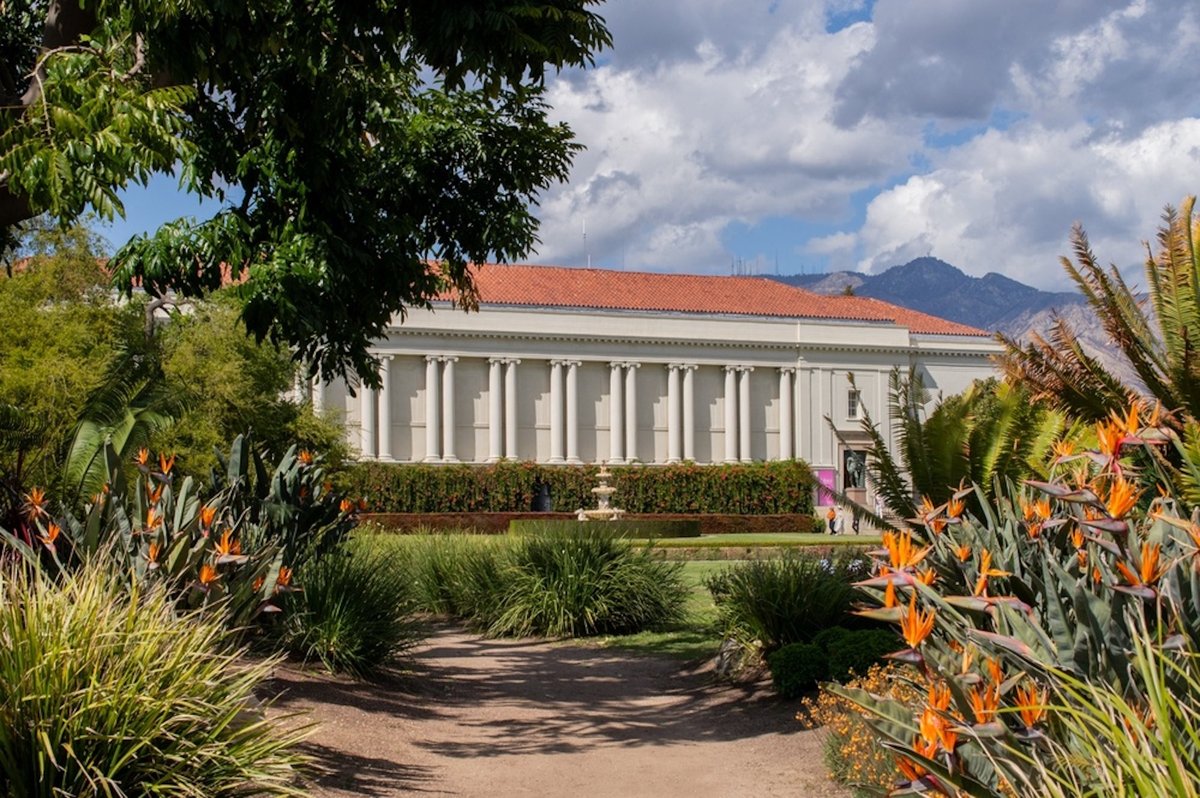
The latest recipients reflect the breadth of the visual arts ecosystem, ranging from museums and universities to community arts organisations, artist residencies and artist-endowed foundations. Large institutions receiving support include the Metropolitan Museum of Art in New York (receiving $25,000), the Huntington in Southern California ($50,000) and SculptureCenter in Queens ($100,000).
“As we prepare to celebrate our centennial in 2028, SculptureCenter is thrilled to embark on this exciting new HVAC (heating, ventilation and air conditioning) and building electrification project that will transform our building into a state-of-the art museum that better serves artists and audiences while reducing our reliance on fossil fuels and advancing our environmental commitments,” says Sohrab Mohebbi, the director of SculptureCenter. “The FCI’s support has been instrumental in enabling us to undertake this critical project at this pivotal moment in our history.”
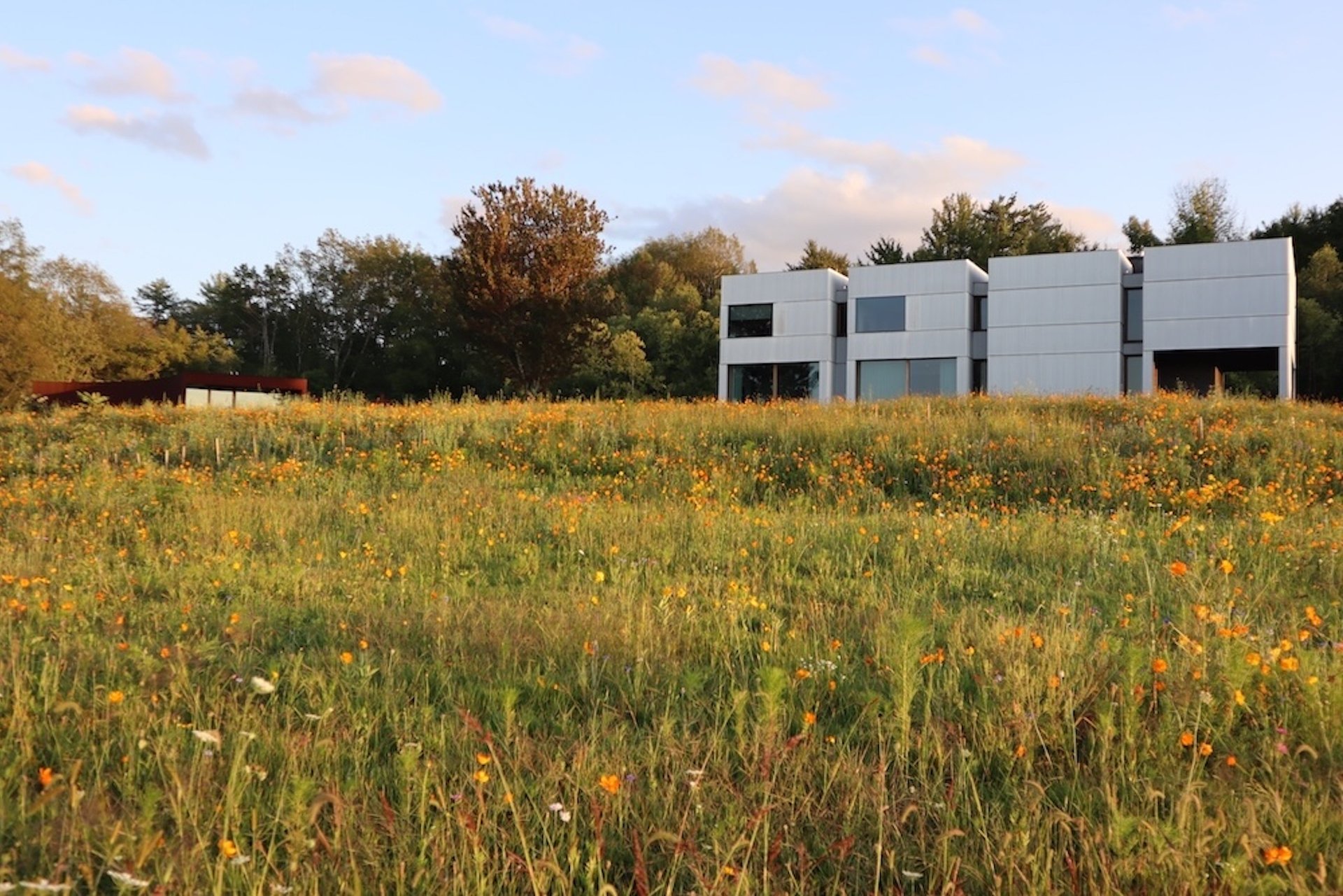
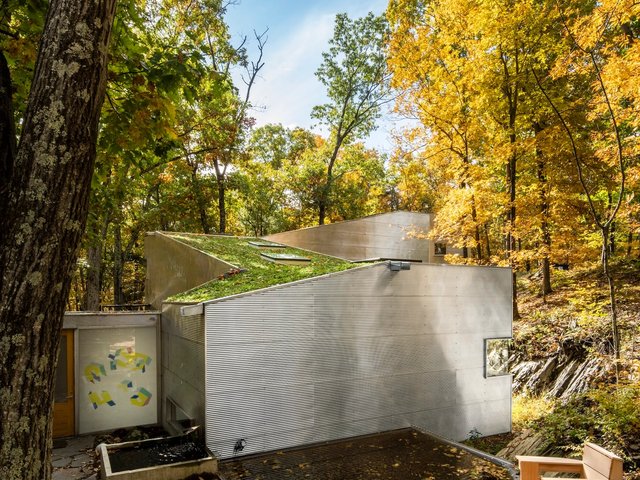
Exterior view of the Forge Project campus, which will undergo major energy
efficiency improvements supported by a 2026 FCI Implementation Grant Photo courtesy Forge Project
Some grantees are building upon work previously undertaken with support of the FCI. Forge Project in upstate New York, for example, used research from an earlier grant that provided a comprehensive electrification and HVAC strategy for its site to realise a 2026 grant of $100,000 implementing this work. Thomas says: “It’s the clearest example of how FCI’s staged-support model is meant to work: an institution arrives with the vision; we fund the planning and provide consultation; a year later the building work is underway.”
Nearly half (46%) of this year’s grantees are returning recipients, the highest proportion in the programme’s history. These returning grantees signal a strengthening pipeline of climate-focused projects, as well as a clear sign that climate action takes continued adaptation and funds to support the work.
This year’s cohort of grantees also reflects a shift to holistic approaches to environmental responsibility. “Organisations are no longer treating environmental responsibility in isolation; they’re starting to see the full picture,” says Stephanie Shapiro, the managing director of Environment & Culture Partners. “Climate impacts are showing up in their buildings. Energy costs are straining their budgets. And they’re watching peers—including previous FCI grantees—generate real savings and community benefits by thinking about the environment, people and place together.”
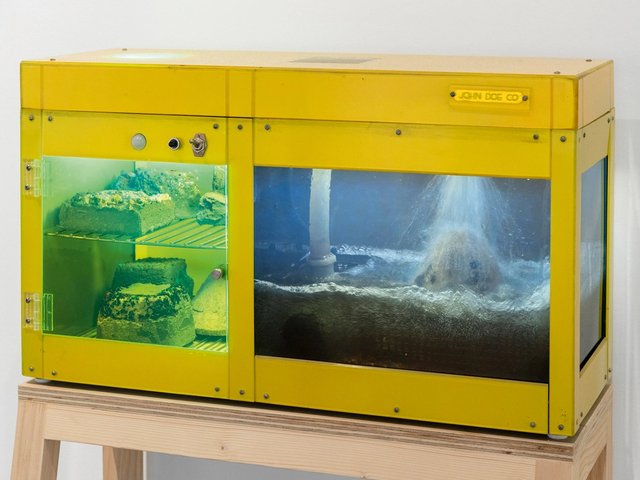
Among the institutions taking a holistic approach is Hilltop Artists, a nonprofit in Tacoma, Washington that provides tuition-free glass art training to young people from historically underserved communities. With the support of a $50,000 FCI grant, the organisation is developing a mobile glass studio that features recycled glass batch, renewable propane furnaces and solar-powered annealers.
“What makes this project distinctive is that sustainability isn’t just about the ‘building’; it’s embedded in the art-making process,” Shapiro says. “The initiative will result in a carbon-neutral blueprint demonstrating that industrial studio arts can be practiced with minimal environmental impact. It brings together environment, community and material innovation in a way that’s replicable across the entire field.”