Italy has unveiled an exhibition showcasing some of the finest surviving examples of Etruscan painting, marking the first public display of the works since the state acquired them from private owners last month for €15m. The acquisition is part of a broader drive to bring significant cultural heritage into public ownership.
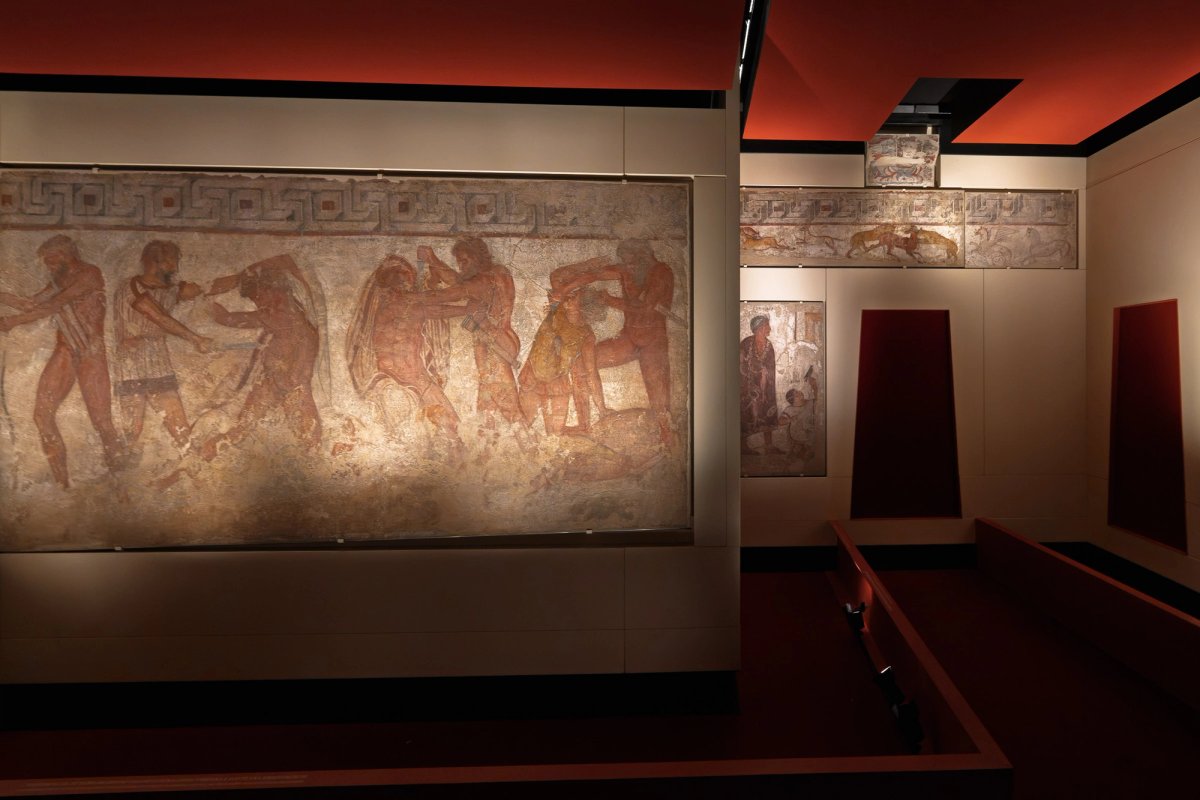
The exhibition, Tomba François, which opened at Rome's National Etruscan Museum on Wednesday, centres on 37 fresco panels from the 4th century BC that once decorated the interior of the François Tomb, discovered in 1857 at the Etruscan city of Vulci, in present-day Lazio, by the French archaeologist Alessandro François.
Weaving together Greek mythology and Etruscan legend and history, the frescoes depict the liberation of the Etruscan noble Caelius Vibenna from his captors, and the sacrifice of 12 Trojan prisoners by the Greek hero Achilles on the funeral pyre of his companion Patroclus. One especially vivid animal frieze features griffins, lions, panthers, deer and wild boars.
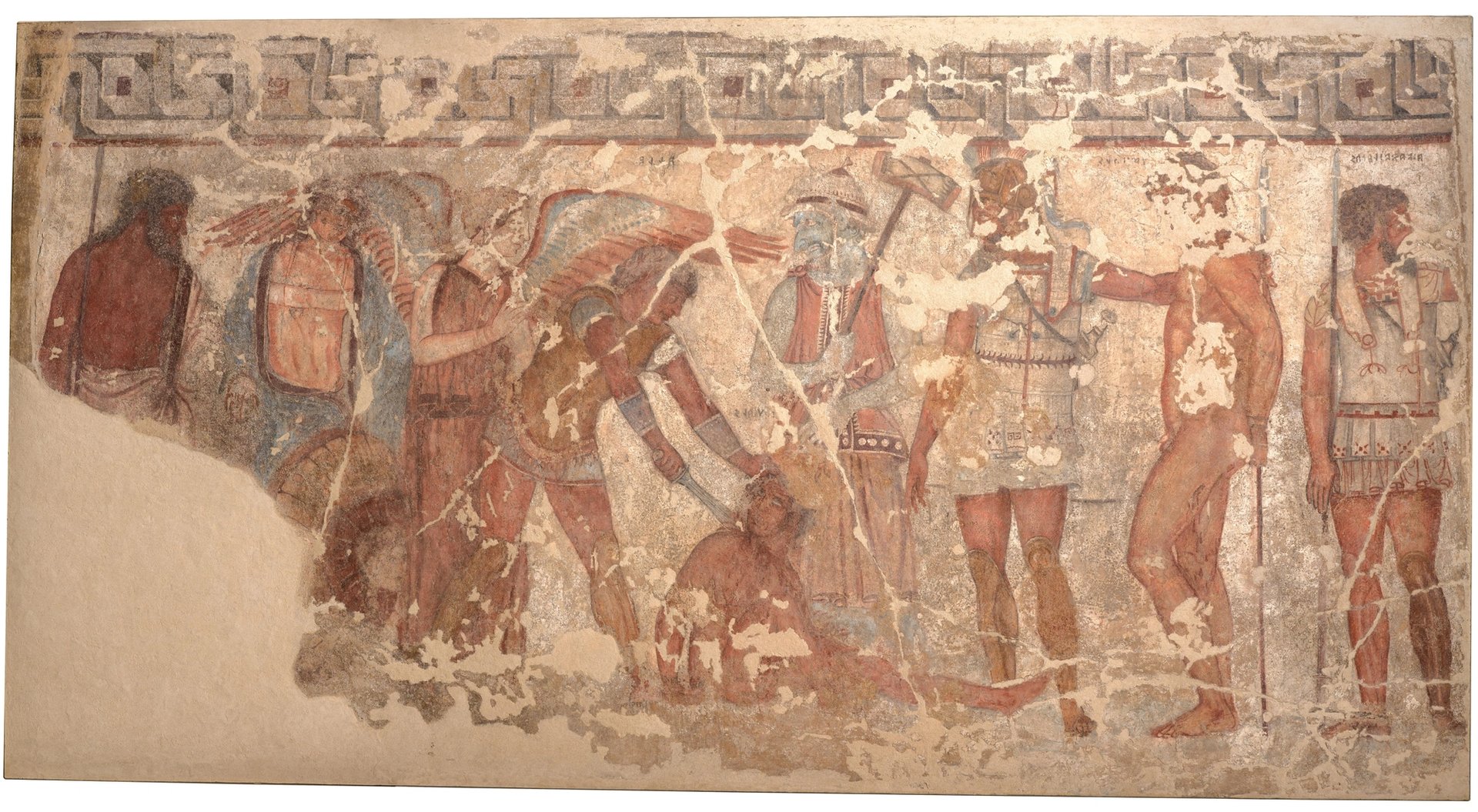
These fourth century frescoes are “the most complete and complex cycle of Etruscan wall paintings available to us today”
Ministero della Cultura
“This is the most complete and complex cycle of Etruscan wall paintings available to us today,” Massimo Osanna, the director-general of the culture ministry's museums department, told The Art Newspaper. “It is not simply a fragment but an entire cycle, extraordinary for its uniqueness and completeness.”
Osanna, an archaeologist who directed Pompeii Archaeological Park from 2014 to 2020, said the frescoes' iconography and inscriptions provide rare evidence about identifiable figures in Etruscan history while shedding light on the civilisation's relationship with early Rome and how Etruscans constructed their identity through the prism of Greek mythology.
Italy announced the acquisition in May after reaching an agreement with members of the Torlonia, Sforza Cesarini and Gaetani families, ending a century-long effort to bring the frescoes into public ownership. The state first attempted to acquire them in 1921.
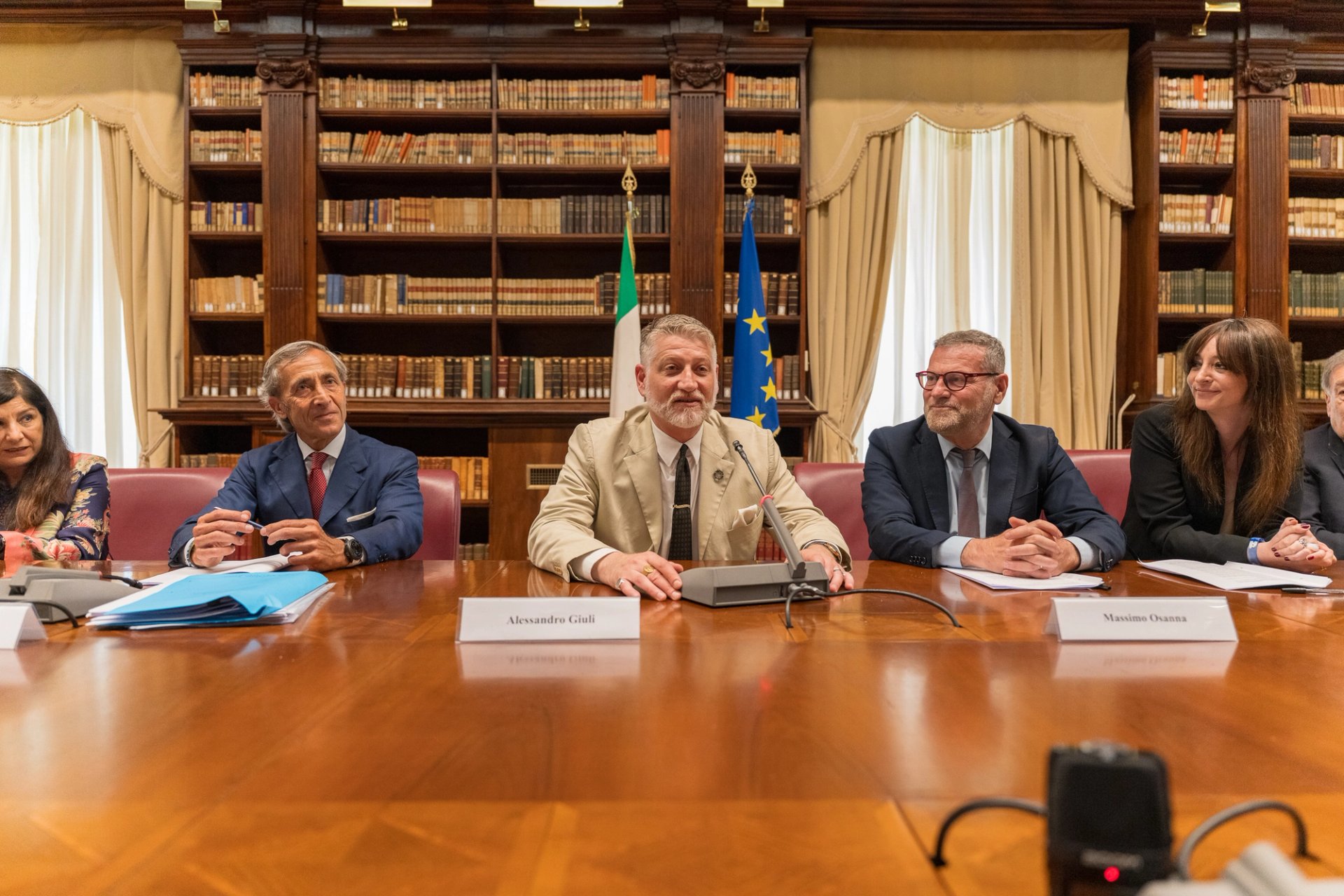
Alessandro Giuli and Massimo Ossana from the Italian culture ministry
Ministero della Cultura
The purchase was the third major acquisition announced by the culture ministry in two months, following the €30m purchase of Caravaggio's portrait of the future Pope Urban VIII and the acquisition of Antonello da Messina's Ecce Homo for $14.9m at an auction in New York.
Osanna said the acquisitions reflected a deliberate policy pursued by the culture minister, Alessandro Giuli, to “bring Italian heritage back within the state”, partly to ensure important works do not leave the country. Negotiations over the François Tomb began before Giuli took office in 2024 but accelerated after funds became available. Reaching an agreement proved complex because ownership was divided among 21 heirs across the three families.
He added that a five-member scientific committee appointed by the ministry last November had played a decisive role in recommending the acquisitions of the Caravaggio and Antonello works.
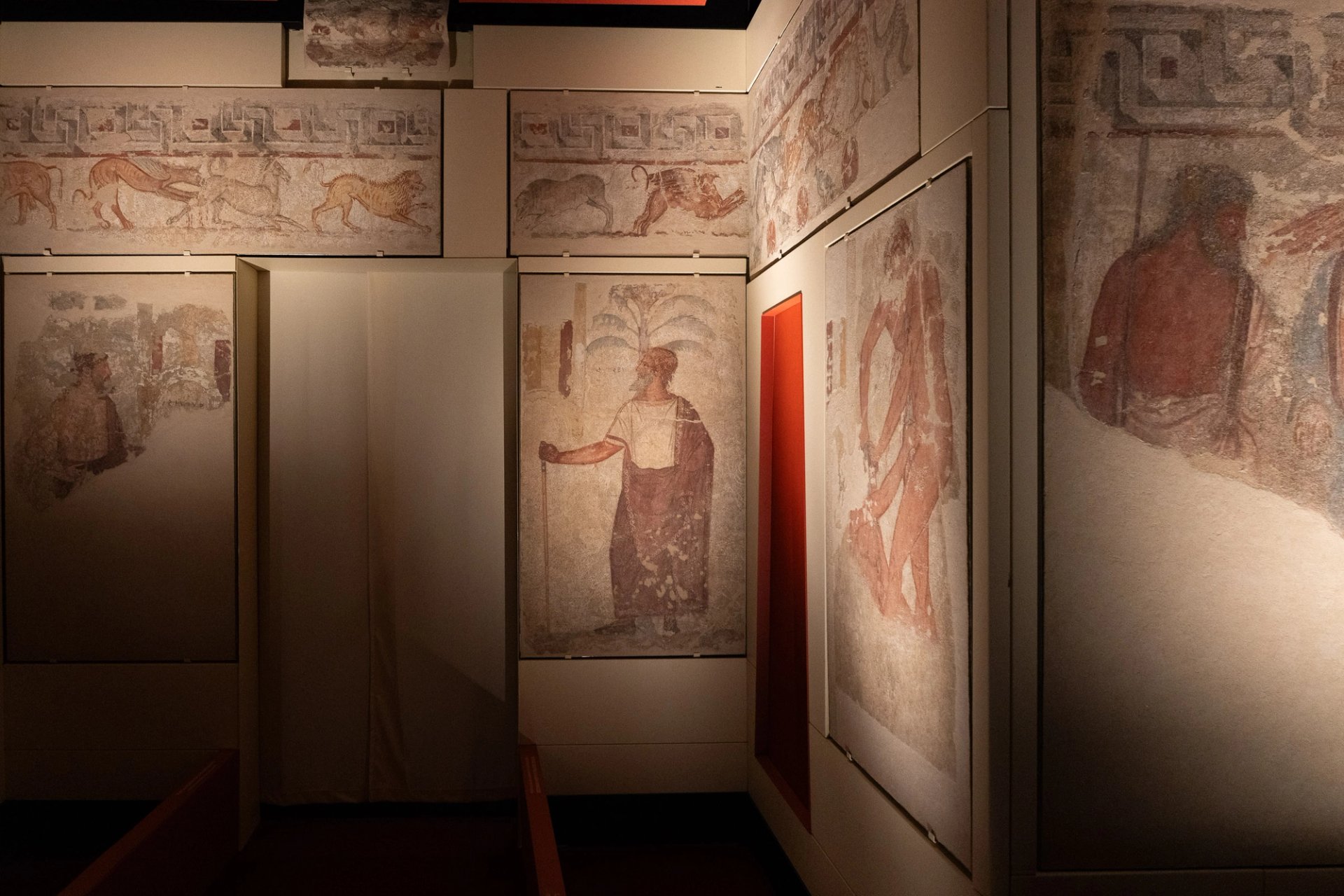
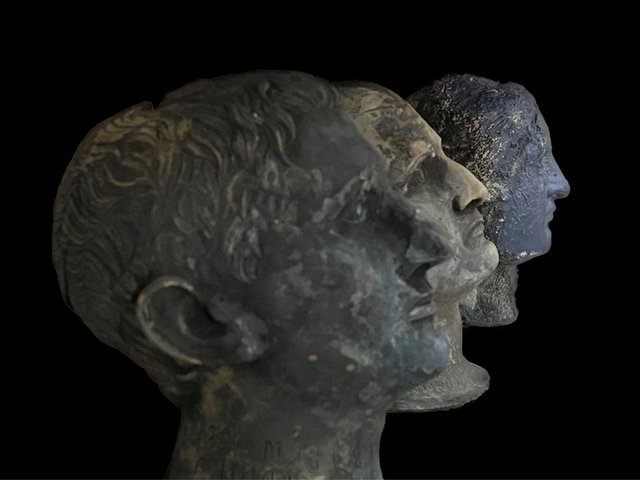
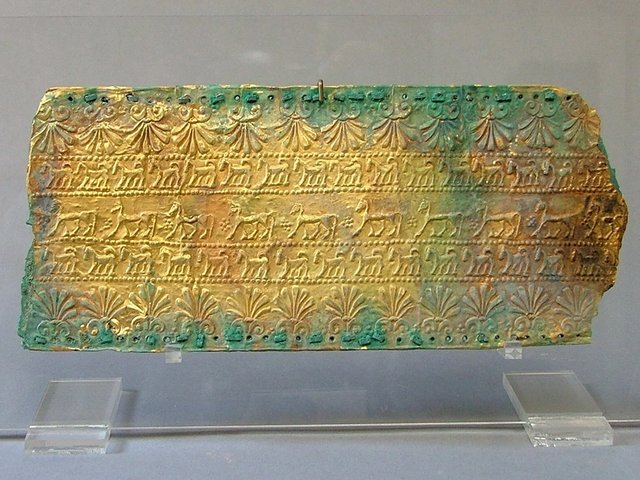
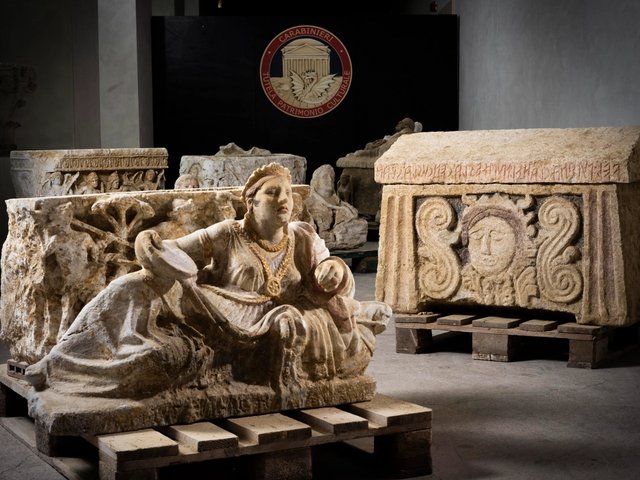
The exhibition includes the frescoes as well as other artefacts from the tomb
Photo: A. Sbaffi and E. A. Minerva; Courtesy Ministero della Cultura
In a statement issued on the eve of the exhibition's opening, Giuli described the acquisition as a “historic milestone”, saying: “The François Tomb preserves a fundamental part of our history.”
Carlo Orsi, a Milan-based art dealer who has brokered previous sales between private collectors and the Italian state, described the recent acquisitions as “sensational”.
“These are extremely large sums of money for Italy,” Orsi told The Art Newspaper. "I think it is very positive that [the ministry is] proactively acquiring such extraordinary works."
The exhibition also features artefacts and documents loaned by museums including the Louvre, the British Museum and Vatican Museums. It runs until 31 December, after which the frescoes will enter the National Etruscan Museum's permanent collection.