The International Council of Museums (Icom), a non-governmental body which establishes professional standards for museums worldwide, has adopted a revised code of ethics which addresses issues such as the rise of technology encompassing AI, the climate crisis and the legacy of colonialism.
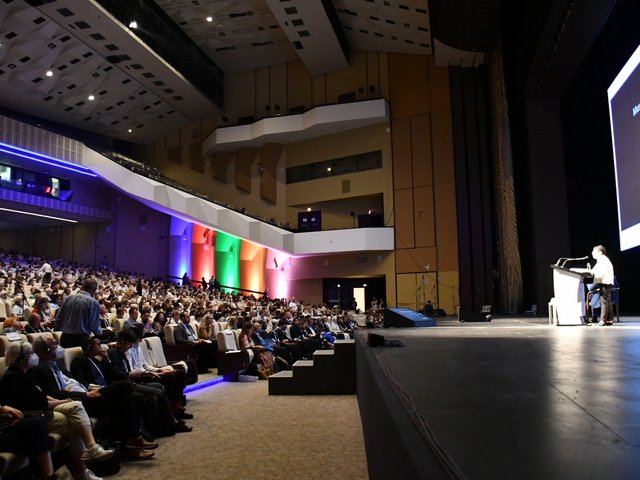
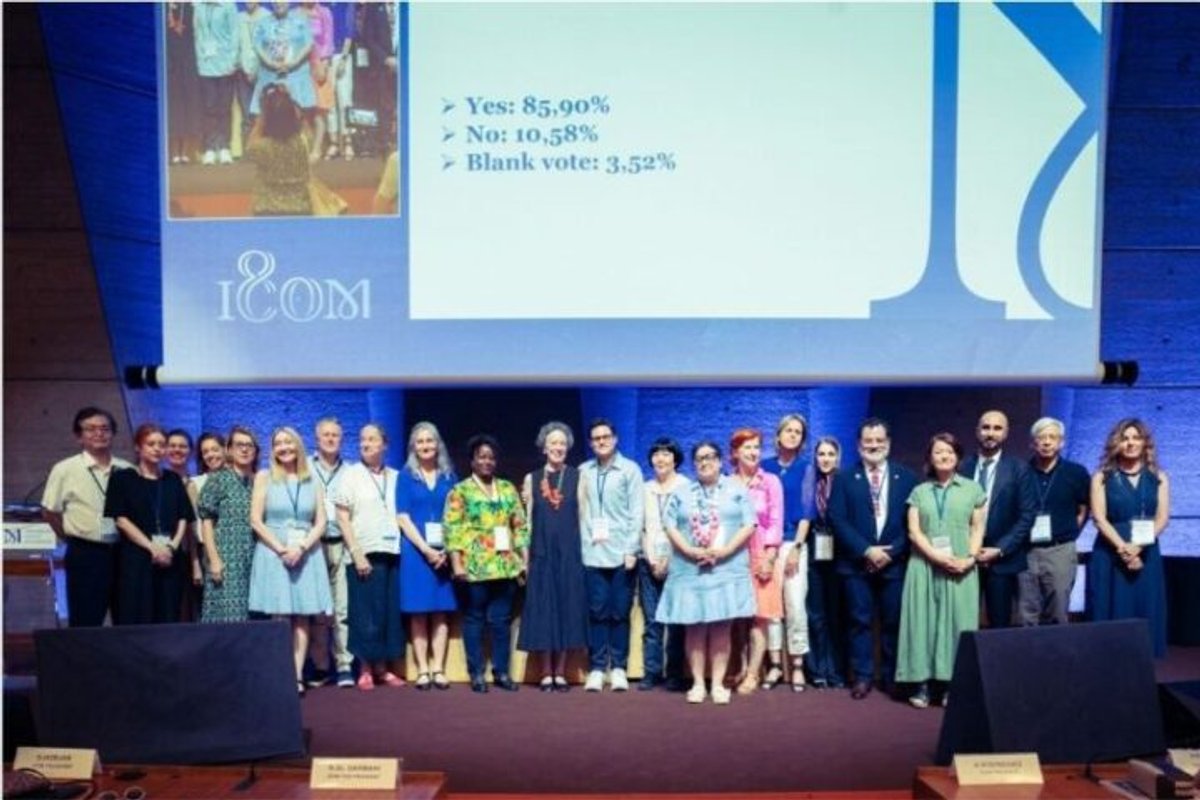
Icom’s initial code of ethics was adopted in 1986 and revised in 2004. The new code, which has been in development for over five years, was approved during Icom’s 41st general assembly in Paris on 25 June by 85.9% of Icom members. “According to Icom’s statutes, all Icom members agree to abide by this code as a condition of their membership,” the organisation says.
The revision reflects the evolving role of museums in “a rapidly changing world” and aligns with the controversial museum definition adopted by the Icom general assembly in 2022. The 2022 definition was adopted after years of ideological wrangling, and was criticised by some in the industry for, for example, not including phrases such as deaccessioning and decolonisation.
“The revised code clarifies and strengthens the 2004 code, addressing issues that have become more urgent in the intervening years,” says Sally Yerkovich, an adjunct professor at Columbia University who led the code revision.
“We have only begun to understand the impact of rapidly evolving digital technologies on our understanding of history, culture, science, creativity and art,” adds Icom, while warning that museums should be mindful of the impact of digital technologies on intellectual property rights and Indigenous rights.
“We must address the role that museums have played during the colonising process,” it adds. The revised text will be supported by practical guidance to assist museum professionals in applying these principles, says the organisation.
A spokesperson for Icom’s Legal Affairs Committee (LEAC) says the removal of Principle VII—“Museums operate in a legal manner”—from the previous Code of Ethics (2004) constitutes “a significant change".
The spokesperson says that “the first code grounded museums in international, regional, and local law, binding them to the spirit of international cultural conventions, and that “although the new code is framed as an ethics-based document, the law remains its foundation, and generous interpretations of legal principles are, in effect, ethical actions.”
The LEAC says it is developing a separate set of legal guidelines, which will be binding for all ICOM members, to complement the new code, “effectively restoring the legal dimension formerly embodied in Principle VII”.
The 2026 code reconfigures the eight principles of the 2004 text into five. The eight original principles included “museums preserve, interpret and promote the natural and cultural inheritance of humanity”, “museums that maintain collections hold them in trust for the benefit of society and its development” and “museums operate in a legal manner”.
The five updated principles are: Society, “Museums serve society”; Professionalism, “Museums operate and communicate with competence, knowledge and professional standards”; Education, “Museums offer diverse experiences for the sharing of knowledge and reflection”; Collections, “Museums research, collect and conserve”; and Governance, which covers some legal matters.
“Museum work should be informed by members of society. It should respect their agency and diverse knowledge and honour their right to participate in museum activities,” Icom says.
Conflicts of interest must be avoided, says the code, which stresses that every museum should create and make public a policy on accepting gifts, favours, loans, invitations or other benefits. “Members of the museum profession should never endorse a specific dealer, auctioneer or appraiser to the public. They should not directly or indirectly participate in buying or selling heritage for profit,” says Icom.
Its guidance around funding is flexible, stating: “Income-generating activities should not compromise the integrity of the institution. Museums should resist financial or political influence.” The new directives on restitution also remain open. “Museums should promptly and transparently respond to requests for restitution or return. The restitution or return of items from a museum’s collection should align with applicable laws,” says Icom.