Midjourney—the image-generating artificial intelligence (AI) company sued for copyright infringement by the Hollywood studios Disney, Universal and Warner Bros—has filed a motion to review a mid-June ruling that denied the company’s request for the studios to reveal how they themselves use AI.
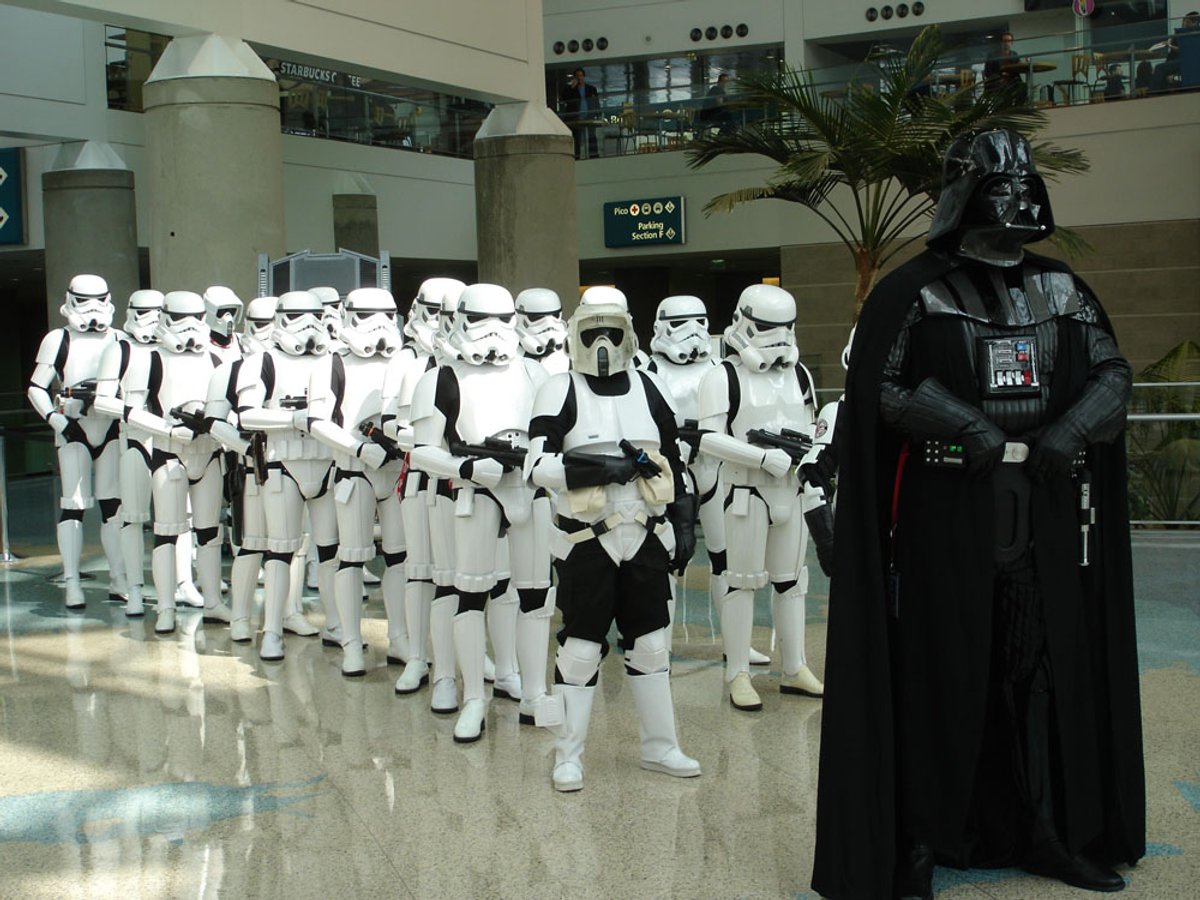
The three studios own the copyrights to many franchises and characters, including Superman, Scooby-Doo, Bugs Bunny, Bart Simpson, Yoda and Darth Vader. They allege that Midjourney infringed on these copyrights by training its AI models on publicly available images, allowing users to create images depicting copyrighted characters through prompts. The studios filed their lawsuit against Midjourney in 2025.
According to Midjourney’s most recent filing, submitted on 29 June, if the studios “are themselves training generative-AI models on third-party copyrighted works, scraping the internet and investing in tools that do the same”, this would serve as “powerful evidence that the relevant industry considers such conduct to be fair use”. The studios, Midjourney argues, are “engaging in the very conduct they complained about”.
Attorneys representing Midjourney could not be reached for comment.
David Singer, the lead lawyer for the studios, has previously called Midjourney’s actions a “fishing expedition” and an effort to distract from the AI company’s own actions.
US copyright law includes an exception for what is called “fair use”, allowing unlicensed use of copyright-protected material based on several factors—the purpose and character of the use, the nature of the copyrighted work, how much was copied, and the effect on the market for the original—and courts weigh these when making their rulings. Midjourney claims that its use of copyrighted material falls within “industry custom and practice”, and assert that the film studios’ “own unlicensed download and copying of millions of images” violated copyright and showed that the studios have “unclean hands”.
Midjourney’s filing notes other cases involving generative AI in which courts had ruled that “fair use in the context of generative-AI copyright cases is an unsettled area of law” and, as a result, courts should be “disinclined to prematurely limit the parties’ ability to obtain and present evidence that may bear on fair use”. Midjourney’s overall defense is that it engaged in fair use of the studios’ materials under the copyright law.
It is unclear when the US district court in California will rule on Midjourney’s motion to review.
“The fair use argument has gained some traction in prior AI cases, in which courts have decided that the ingestion of the work for training is transformative fair use—either because the training use in those cases was transformative, or because the rights owners failed to establish the inapplicability of the fair use doctrine—in part due to lack of proof of market harm in that particular case,” James Lorin Silverberg, a lawyer who heads the Washington, DC-based Intellectual Property Group, tells The Art Newspaper.
Silverberg adds that there are now hundreds of lawsuits in the US and elsewhere involving the use of copyrightable material in connection with AI training and outputs, “and the decisions in these cases will determine the future course of copyright law, protections, limitations and artists rights, with huge impacts on the art market and artists, possibly beyond what we have seen in the past”.