A team led by the Japanese architecture firm Sanaa has been selected to design a new home for the Museo Nacional del Ecuador (Muna) in Quito, less than two weeks after the government annulled the result of an international competition following a social media backlash. The controversy led to the resignation of two cultural officials, prompted several architecture firms to withdraw from the new design competition and sparked a debate over the competition’s original rules.
The new building is intended to address the institution’s long-standing space constraints. Inaugurated in 1969, Muna has never had a permanent home and is currently housed in the Casa de la Cultura Ecuatoriana. As a result, only a small fraction of the 1.2 million objects in its collection can be displayed. The objects span around 12,000 years of history, from pre-Columbian archaeology to colonial, modern and contemporary art. The new building will span 36,000 sq. m and the project is expected to require an investment of around $100m.
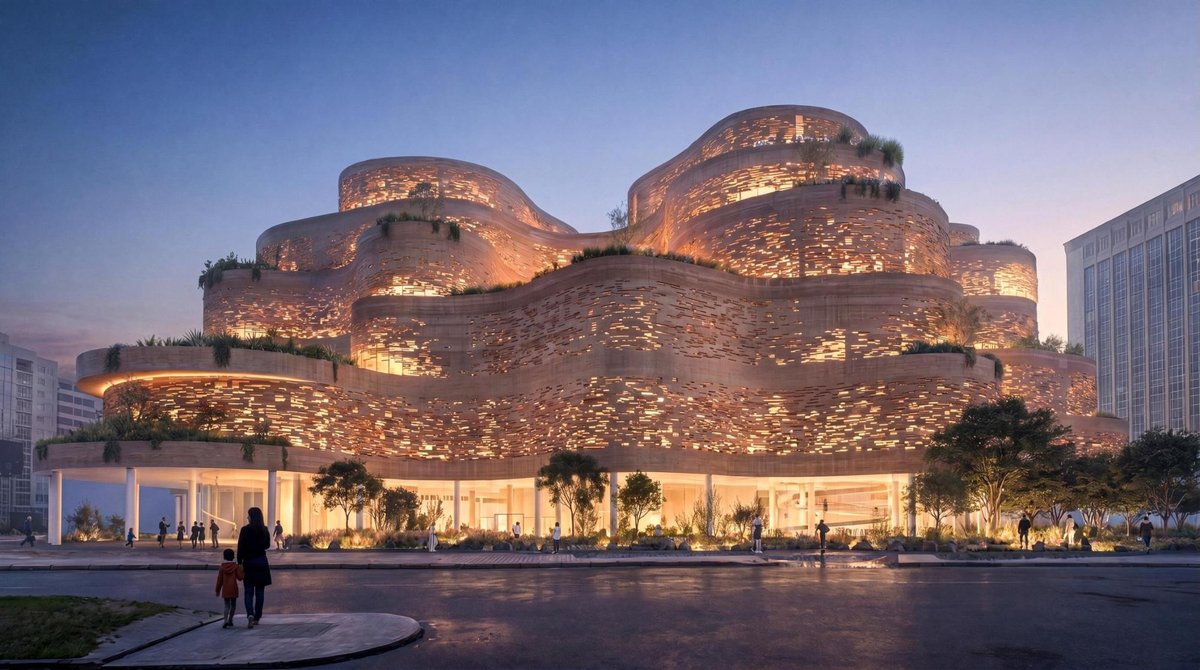
The winning project, “Living Strata”, was designed by a team that includes Sanaa, Caá Porá Arquitectura, Estudio A0, Jerome Haferd Studio and Taller Capital Landscape. It conceives of the museum as a series of overlapping layers that connect history, culture and landscape, with gardens and terraces symbolically extending the neighbouring La Carolina Park into the building. According to the design team, the building’s circular forms are intended to evoke ancestral gathering spaces.
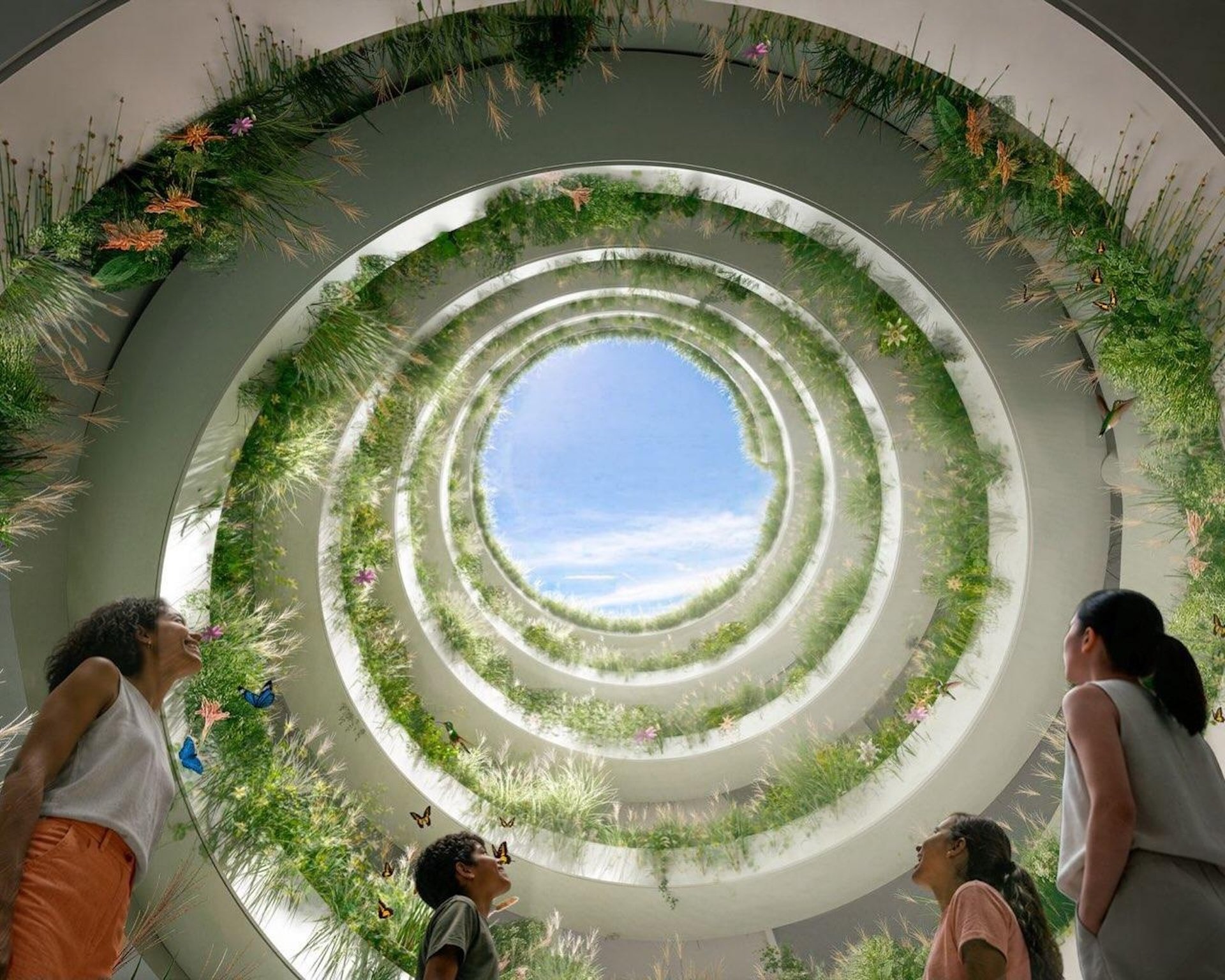
The second winning design for the new Museo Nacional del Ecuador in Quito, “Living Strata”, by Sanaa, Caá Porá Arquitectura, Estudio A0, Jerome Haferd Studio and Taller Capital Landscape Courtesy Museo Nacional del Ecuador
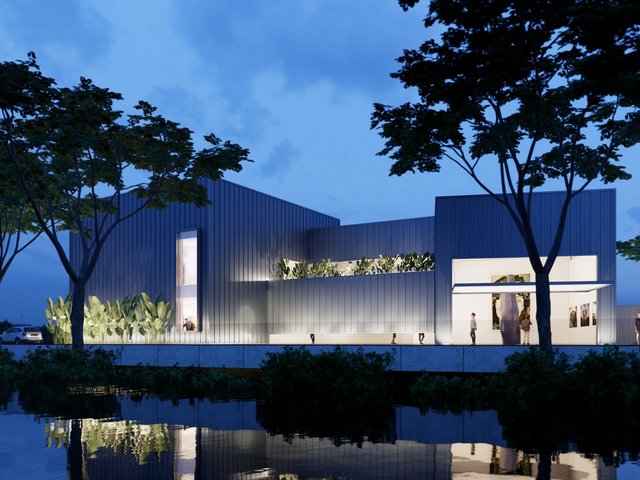
The Sanaa-led design is the second chosen for the Muna project. The original competition concluded on 6 July, when an international jury selected “Ecos del sol” (Echoes of the Sun), by the Spanish firm Estudio Campo Baeza and Ecuador-based Maoda, from a pool of 17 finalists. The project proposed a monumental concrete structure with courtyards and interior voids that brought natural light into the galleries. Ecuador’s vice president, María José Pinto, presided over the announcement ceremony that day.
The selection drew widespread criticism on social media. Romina Muñoz, then Ecuador’s vice minister of culture and a member of the jury, publicly defended the selection in several interviews. On 9 July, the culture minister Gilda Alcívar asked her to resign.
“I wasn’t given much explanation as to why I was asked to resign, only that the process had ended and therefore they no longer needed me,” Muñoz tells The Art Newspaper. She says the resignation request reflected earlier disagreements over the government’s handling of cultural affairs, but maintained that the competition itself had been conducted in a “transparent and professional” manner and had produced a worthy winning proposal.
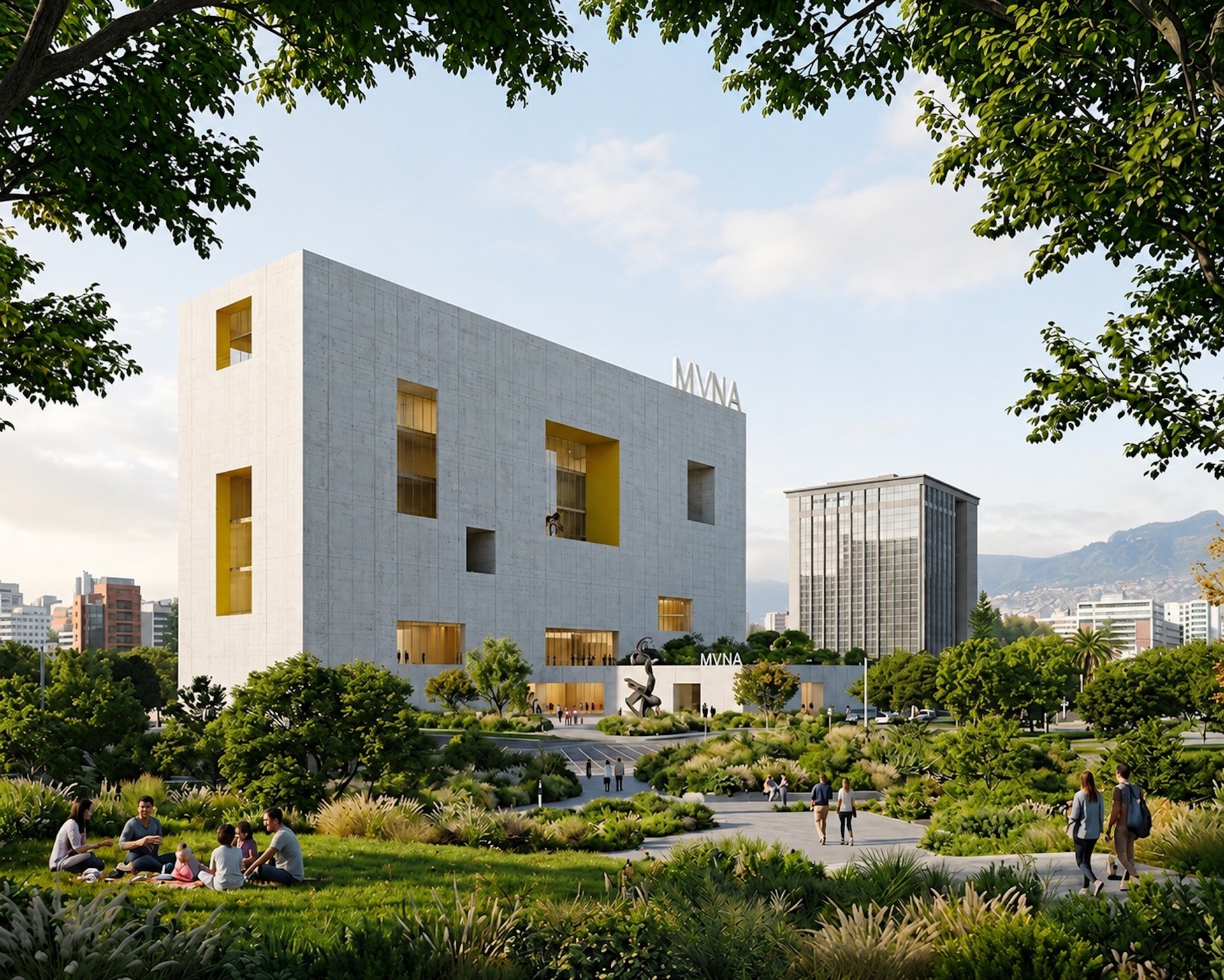
The first design selected for the new Museo Nacional del Ecuador, “Ecos del sol” (Echoes of the Sun), by Studio Campo Baeza and Maoda Courtesy Museo Nacional del Ecuador
On 10 July Ecuador’s infrastructure and transport minister, Roberto Luque, announced in a post on X that the government was annulling the result. “Ecuadorians, we have listened to you carefully, and not only that, we agree with you,” he wrote. Luque had himself served on the jury that chose Estudio Campo Baeza and Maoda’s design. In the same post, he invited the 17 finalist teams to resubmit their proposals and said a public vote would help determine a new winning design.
In a joint statement shared with The Art Newspaper, representatives for Estudio Campo Baeza and Maoda questioned the decision, noting that the competition rules defined the jury’s decision as “final and not subject to appeal”. The original winners said they had been willing to incorporate changes, but were not given the opportunity to do so.
Several firms refused to participate in the new evaluation, including the Quito-based firm Endara Arquitectos, which said the competition had legitimately concluded and condemned the online harassment directed at the winning team.
Amid the controversy Muna’s director, the archaeologist Carlos Montalvo, who had served as a non-voting member of the original jury, also resigned. In a statement posted on Instagram on 15 July, he said the decision was irrevocable and had been made on his own initiative, without pressure of any kind. Montalvo did not respond to requests for comment from The Art Newspaper.
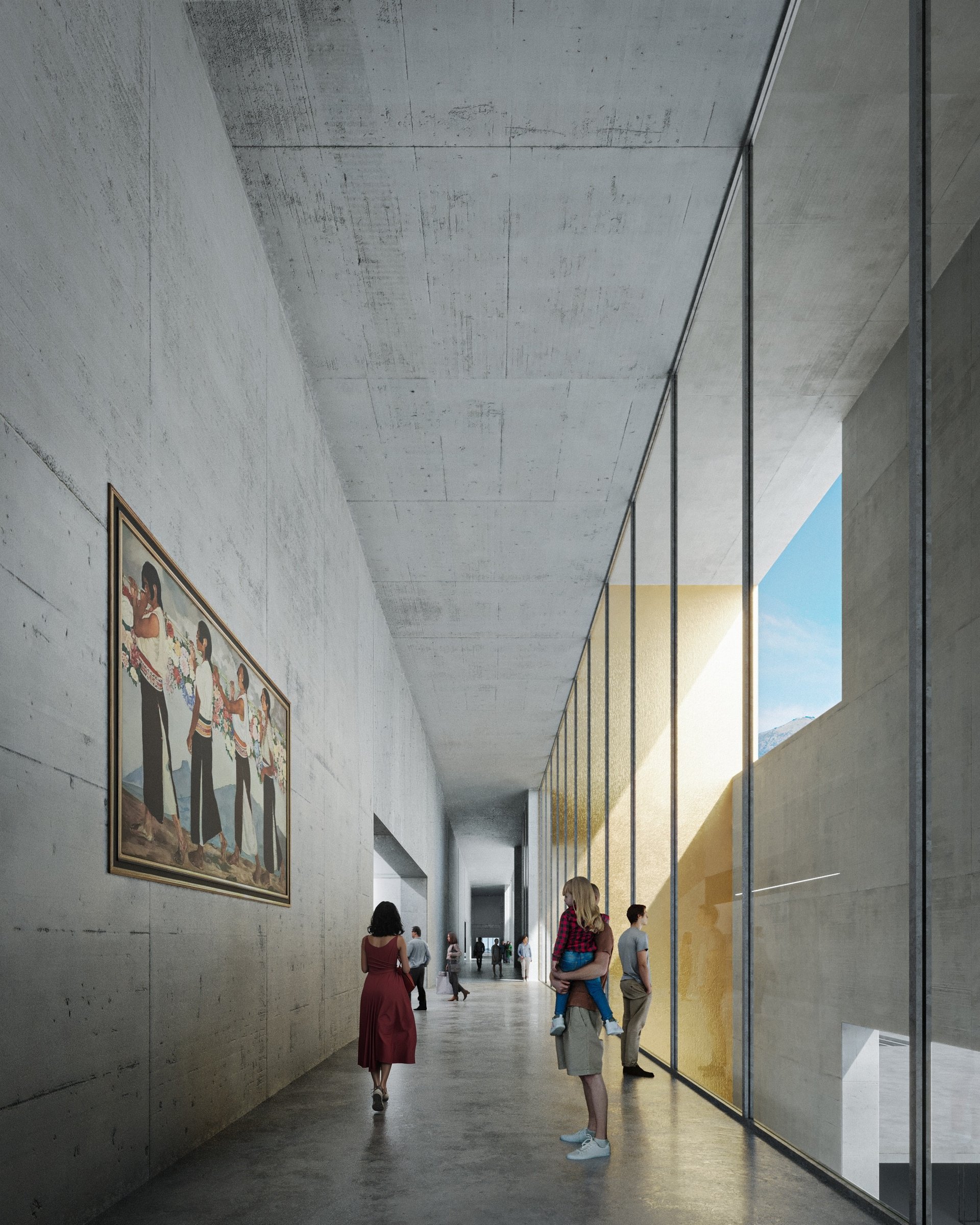
The first design selected for the new Museo Nacional del Ecuador, “Ecos del sol” (Echoes of the Sun), by Studio Campo Baeza and Maoda Courtesy Museo Nacional del Ecuador
Ten teams resubmitted their proposals for the Muna design competition’s second iteration, and they were assessed by a newly appointed jury. Three finalists were then put to an online public vote, which counted for 15% of a final score that determined the winning proposal. A total of 50,681 people participated. On 19 July, Luque announced that the new winner was “Living Strata”, the project that had placed third in the original competition.
The Spanish architect Alejandro Zaera-Polo, who served as a juror in the initial selection, tells The Art Newspaper that the proposal by Estudio Campo Baeza and Maoda offered greater exhibition flexibility, protected the collection from humidity and could be built faster and at a lower cost. Zaera-Polo also questions the integrity of the new winning design: “Structurally, it does not work. It literally cannot stand.” According to the architect, its glass walls would expose art to direct sunlight, while storage areas below the water table appear disconnected from the galleries. “Accessible storage is now a growing trend in museum projects around the world,” he adds.
In an interview with an Ecuadorian television station, Luque defended the decision to reopen the competition. “The jury’s decision was definitely not binding. That is absolutely clear,” he said. “What we did was listen to the public and review the contract.”
The original competition rules, published online, stated that the process would have two stages and produce a single winner. Estudio Campo Baeza and Maoda have argued that reopening the competition introduced an additional stage not contemplated in the rules and undermined the “transparency and integrity” of the process.