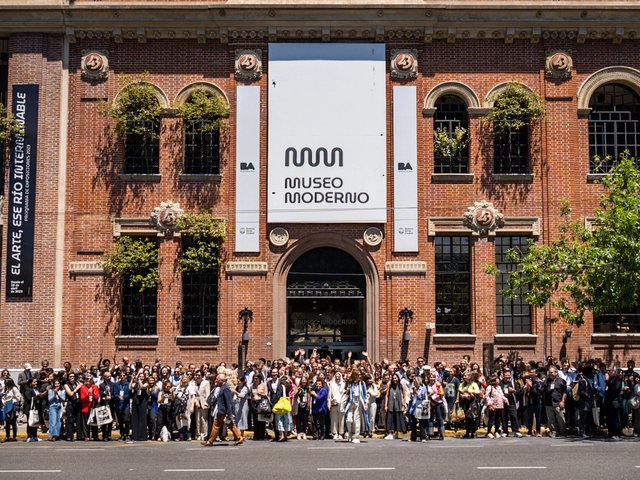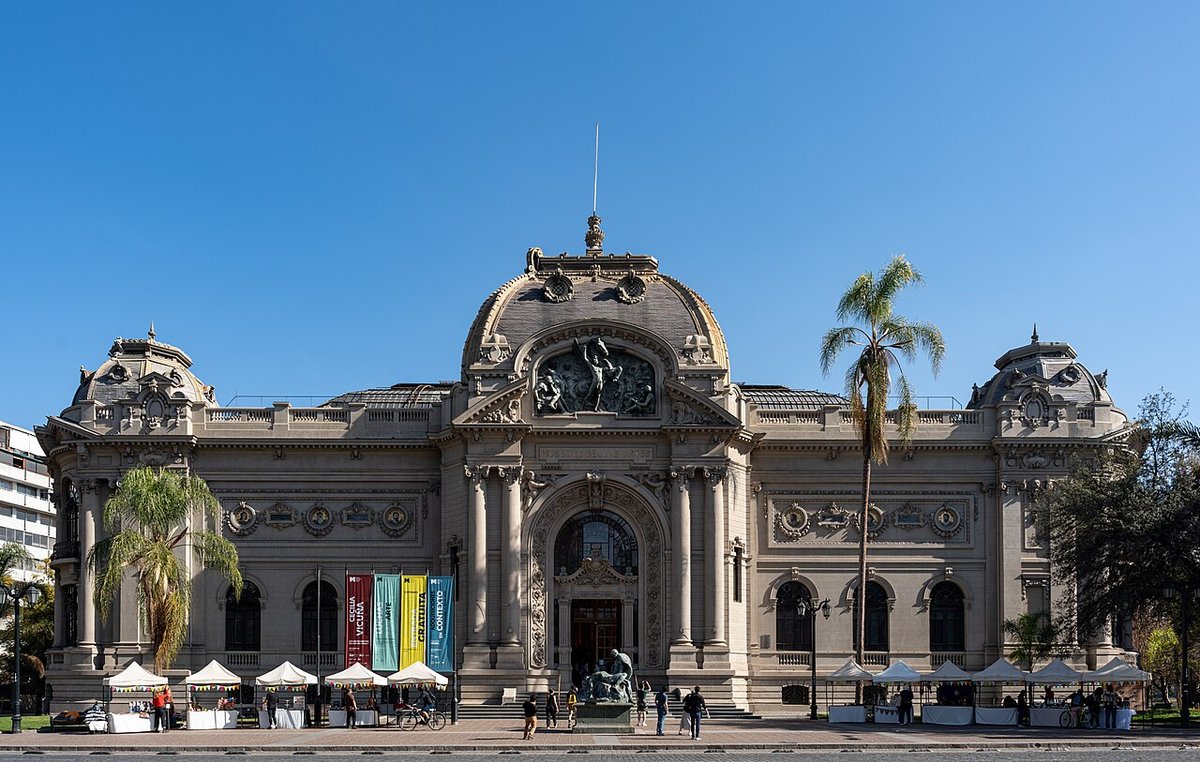
The Museo Nacional de Bellas Artes (MNBA) in Santiago, Chile, has canceled a León Ferrari retrospective after almost three years of preparations.
Ferrari (1920-2013), one of Argentina’s most important artists and the winner of a Golden Lion at the Venice Biennale in 2007, was scheduled to be the subject of a major exhibition that would have opened in June 2026. The cancellation, attributed to a lack of funding, comes amid budget cuts under the government of Chile’s new president, José Antonio Kast, who took office in March.
The exhibition was planned as an adaptation of Recurrencias, the 2023 show dedicated to Ferrari at the Museo Nacional de Bellas Artes in Buenos Aires, Argentina. The project was already at an advanced stage when it was cancelled in Santiago. Around 160 works were expected to travel to Chile, including some of Ferrari’s most famous pieces.
“The exhibition was suspended due to a lack of funding,” Varinia Brodsky Zimmermann, the director of the MNBA, told local press. “We had been working on it for about three years, ever since I became director of the museum, together with the curators Cecilia Rabossi and Andrés Duprat (director of the Museo Nacional de Bellas Artes of Argentina) and the Augusto and León Ferrari Foundation.”
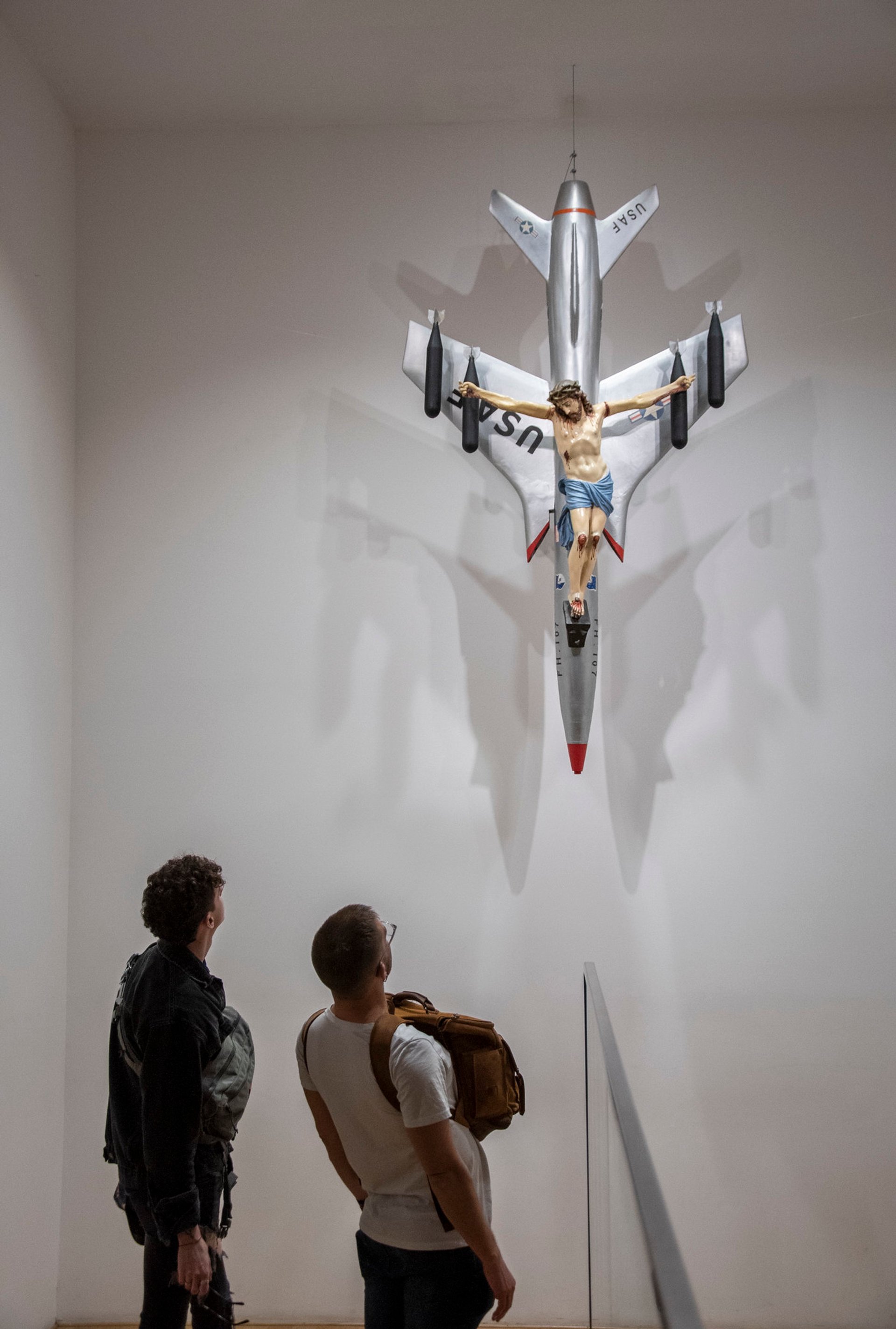
León Ferrari’s Western and Christian Civilization (1965) at the Museo Nacional de Bellas Artes, Buenos Aires Courtesy Museo Nacional de Bellas Artes, Buenos Aires
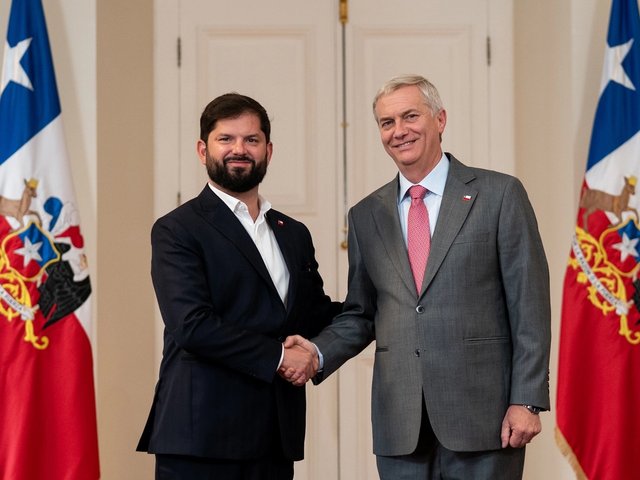
Budget cuts were ordered by Kast’s government across all ministries, including a nearly 10% cut to the Ministry of Culture, Arts and Heritage. The ultraconservative Kast has been openly linked to Augusto Pinochet’s legacy. In this case, the funding cuts affected an exhibition dedicated to an artist whose work denounced authoritarianism, state violence, military regimes, organised religion and pacts of silence.
Francisco Undurraga, Chile’s cultural minister, commented on the cancellation in an interview with a local radio station, highlighting the fact that layoffs were not part of the cuts. “Unfortunately, the necessary funds could not be secured,” he said. “Personally, I have not discussed this matter with the director of the museum. Budget cuts unfortunately affect exhibitions, but fortunately they do not affect workers.”
“They told us they had suffered a significant budget cut and that, unfortunately, they could not afford to put on the exhibition,” Duprat tells The Art Newspaper. “It is a great shame. Everything was already in place: the list of works, the transport and insurance budgets”, as well as the adaptation of the exhibition to the Chilean museum’s space.
Both the MNBA and the Chilean cultural ministry declined to comment.
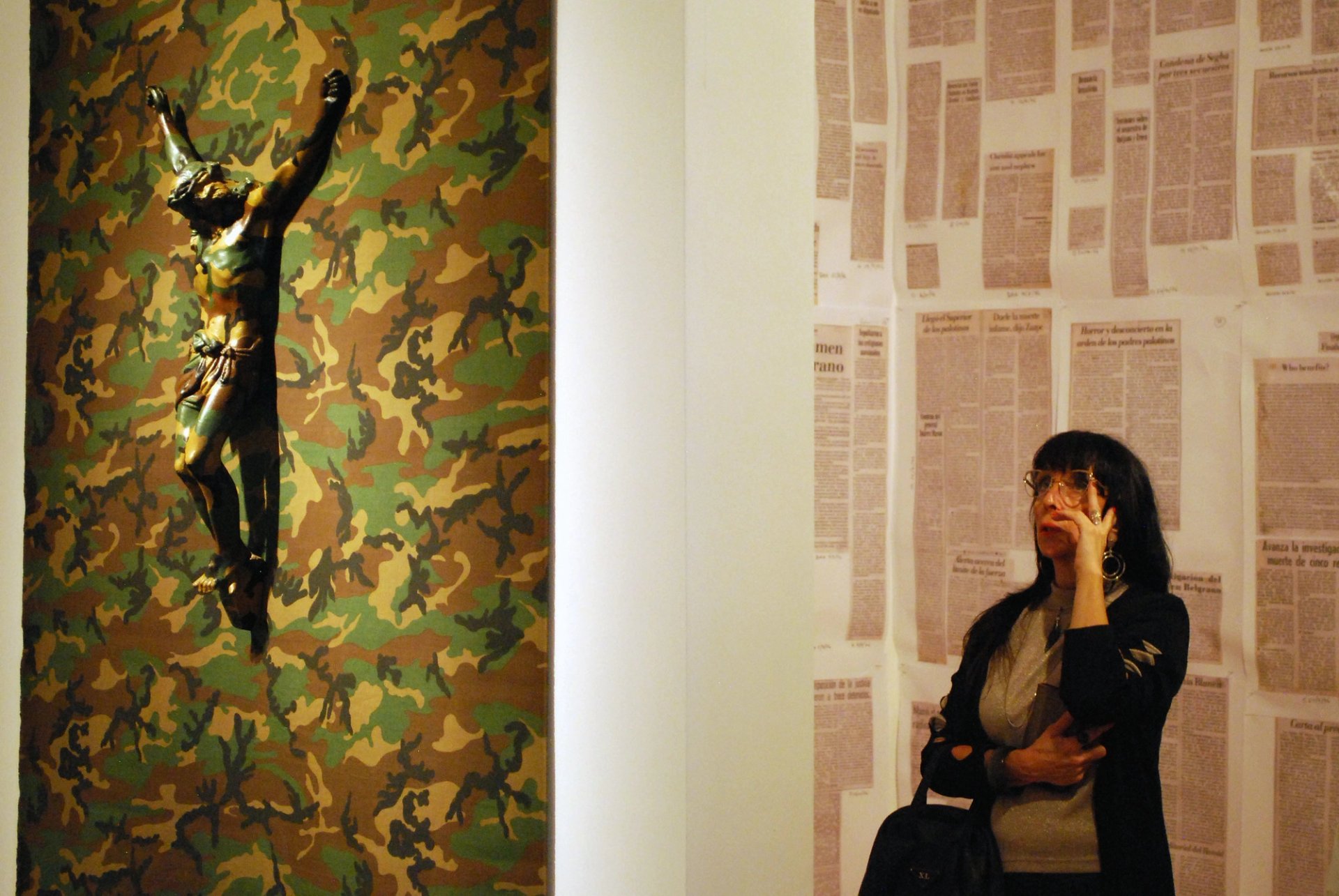
Installation view of Recurrencias (with Nosotros no sabíamos at right) at the Museo Nacional de Bellas Artes in Buenos Aires Courtesy Museo Nacional de Bellas Artes, Buenos Aires
The main work in the exhibition was to be Western and Christian Civilization (1965), perhaps Ferrari’s most iconic piece: it depicts a crucified Christ atop a US warplane, and he created it at the beginning of the Vietnam War.
Also scheduled for inclusion in the exhibition was Nosotros no sabíamos, a key work for which Ferrari collected newspaper clippings from Argentina in 1976. The clippings reported the discovery of bodies, people killed, corpses found in the Río de la Plata and other evidence published during the military dictatorship. The title refers to one of the most common phrases of Argentine denialism: the claim that “we didn’t know”, even though these crimes were reported in the newspapers at the time.
Ferrari’s criticism of violence was also marked by his own personal history. In 1976, he went into exile with his family in São Paulo. The following year, his son Ariel was kidnapped and forcibly disappeared during Argentina’s last military dictatorship. From then on, much of Ferrari’s work returned again and again to the ways violence is administered, normalised or hidden behind bureaucratic, religious or official language.