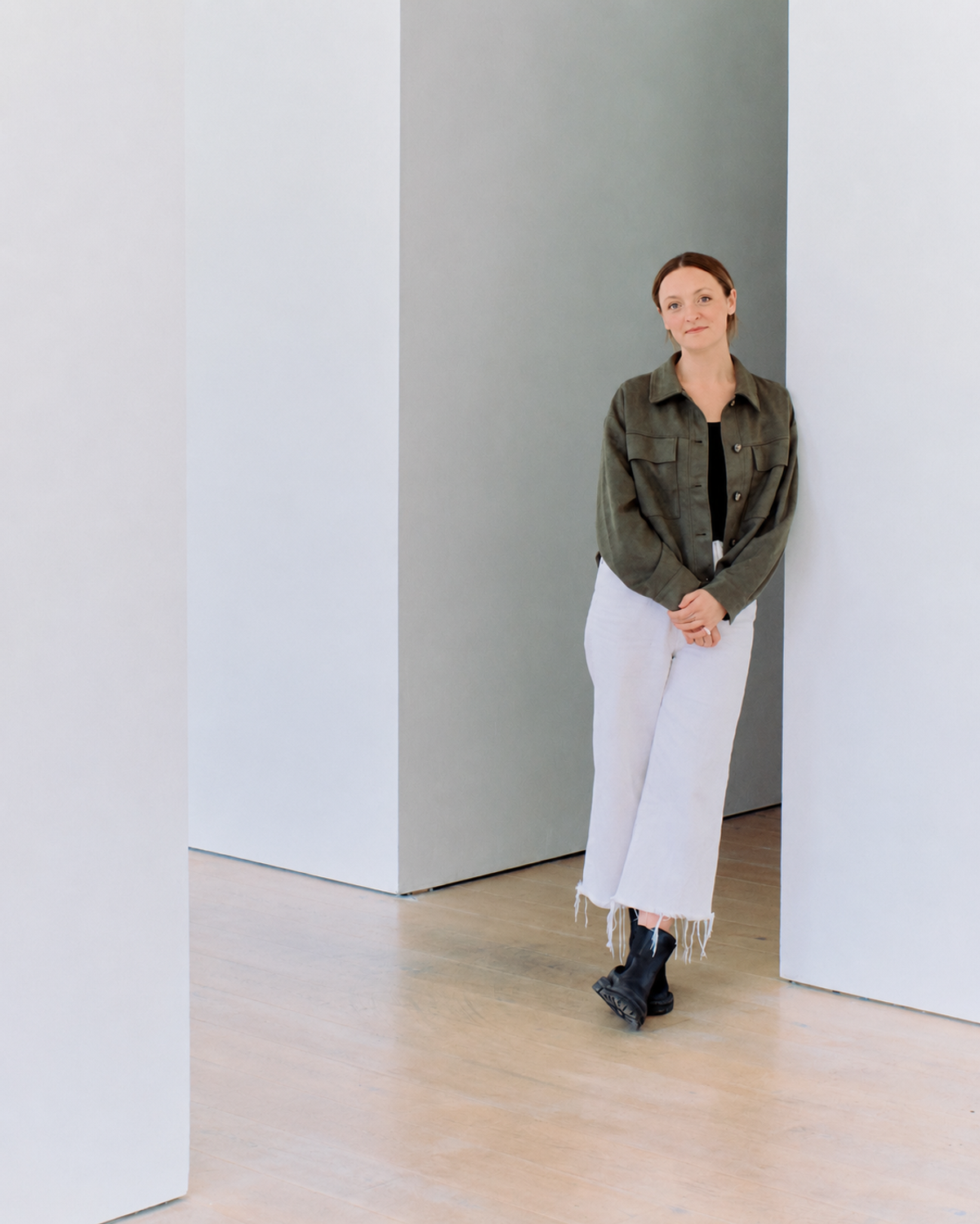
Sid Motion Gallery, the South London dealership that has spent the past decade building a programme supporting emerging and mid-career artists, is to close this autumn, with its founder saying she has chosen to wind up the business while the programme and finances are still intact.
“My heart is full when I think of the conversations and connections that the gallery has facilitated over the years,” says Sid Motion, who founded the business in 2016. “Closing the gallery is a positive and conscious decision. We are stopping while we are ahead, while my artists are properly serviced and the quality of the programme remains high.” The gallery’s final show, That Which Appears, opens on 18 September and runs until 31 October. It will be the 85th exhibition staged by Motion.
The closure comes at a moment of considerable adjustment for London’s commercial gallery scene and is a notably measured response to the difficult economics facing the sector. A slower market, higher operating costs and changing collecting patterns have prompted dealers to reconsider the traditional model of maintaining permanent spaces while financing exhibitions, art fairs and the long-term career development of artists.
I will not compromise when it comes to supporting my artists in the way that they deserve
The pressures have been particularly acute for smaller and mid-sized galleries, though larger businesses have not been immune. In June, Pace announced it was cutting 50 artists from its roster and laying off 50 members of staff, while Stephen Friedman closed in February after 30 years in business, with £8m-worth of debt still outstanding. Several of Friedman’s top artists are among the main creditors.
Motion believes her decision prioritises her artists’ best interests. “As I look ahead to the future, I can see that the gallery is not in the financial position to fully honour the extraordinary potential of each of my artists,” she says. “I will not compromise when it comes to supporting them in the way that they deserve.”
Her decision also underscores the limits of the small-gallery model as the art market continues to grapple with significant recalibration. While some have been forced to close, other galleries are reorganising—experimenting with smaller spaces, collaborating with other businesses and taking different approaches to fairs and programming.
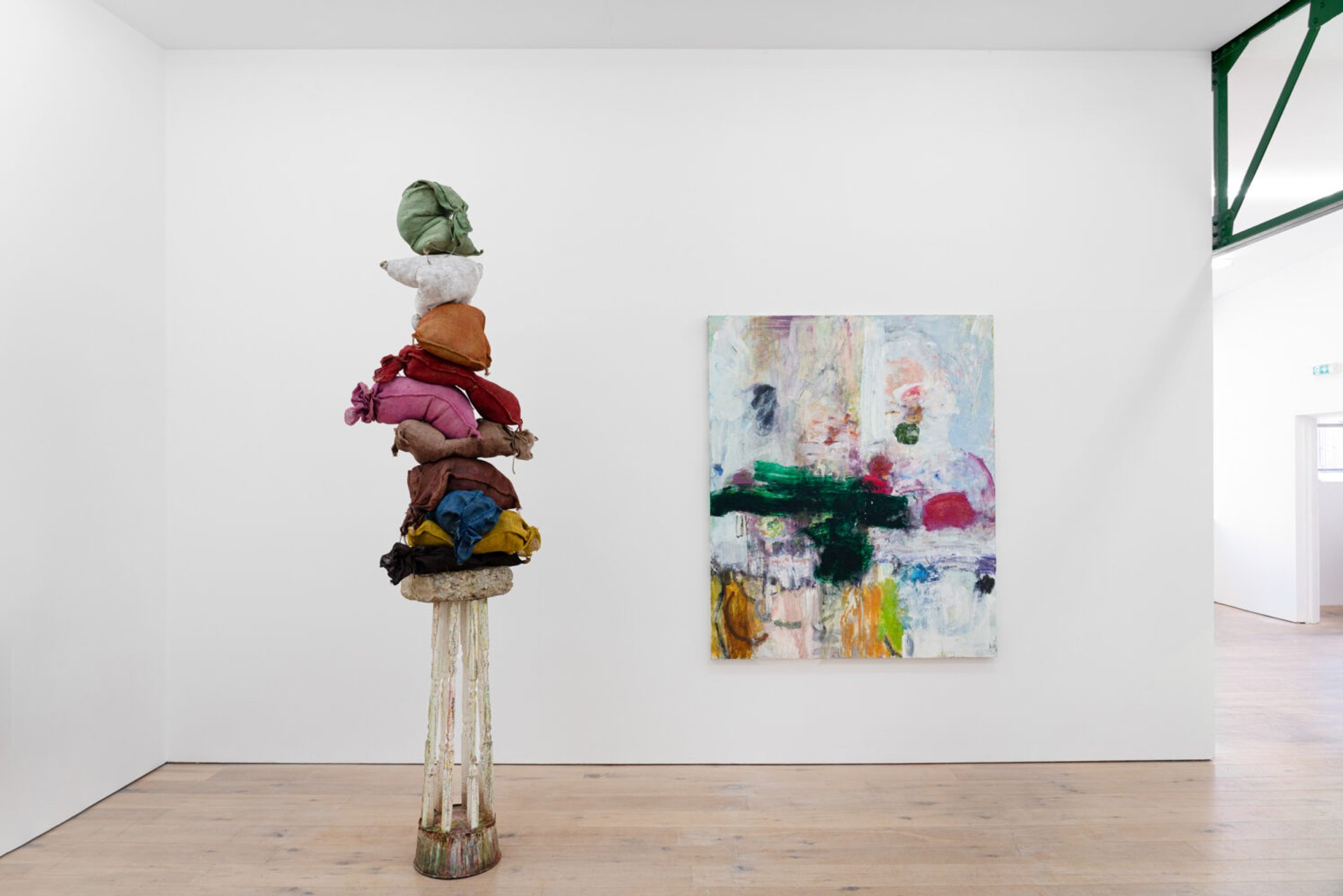
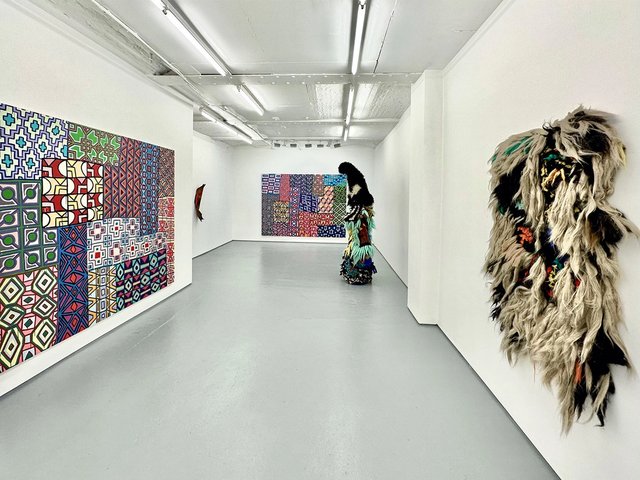
Installation view of Ancestors, a solo exhibition by Max Wade, May 2026
© Luke Fullalove
Nonetheless, Motion is keen to not frame her closure as a judgement on London’s art scene. As she puts it: “The London art world remains vibrant, internationally significant and full to the brim with brilliant, deeply passionate and genuine people.”
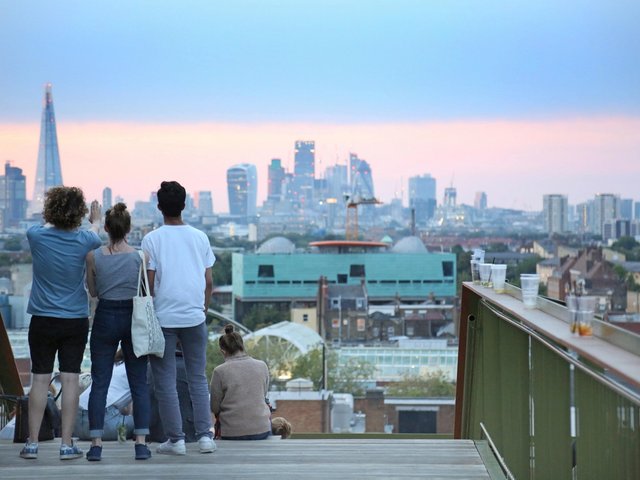
Motion’s gallery was born from a relatively low-cost model. In 2015, she found a disused betting shop in Kings Cross, which she transformed into a gallery space in the mornings and evenings while still working full time. Motion opened the gallery the following year, initially without knowing whether sales from one exhibition would be enough to finance the next. After several successful years, in 2019 she moved to the Penarth Centre in South Bermondsey, drawn by the area’s concentration of artists and studios. The new location allowed her to establish her gallery as part of the local artistic community and to show emerging artists alongside internationally recognised names. The move also led to the establishment of the South Bermondsey Art Trail, which now involves around 70 artists and creatives. This year’s trail takes place on 4 and 5 September, shortly before the gallery’s final exhibition opens.
The last show will not entirely disappear when the gallery does. That Which Appears, co-curated by Motion along with the artists Olivia Bax and James Fisher, is due to be shown again at the Millennium Gallery, Sheffield Museums, in April 2028. In the meantime, Motion says she intends to remain closely involved with the artists she has represented. As she puts it: “I will be the front row supporter on their next projects as their confidant, champion and lifelong friend.”