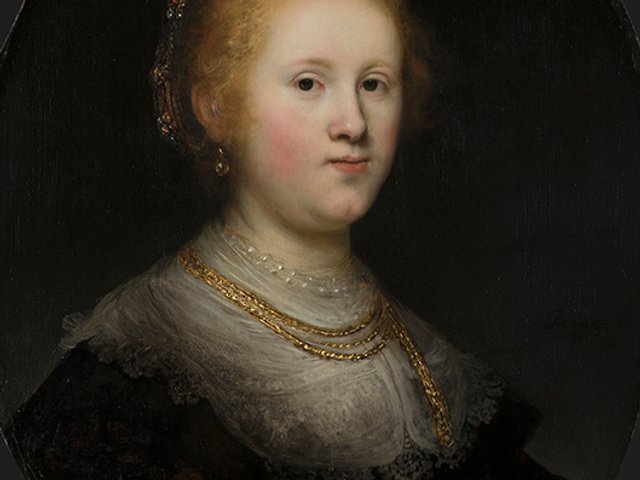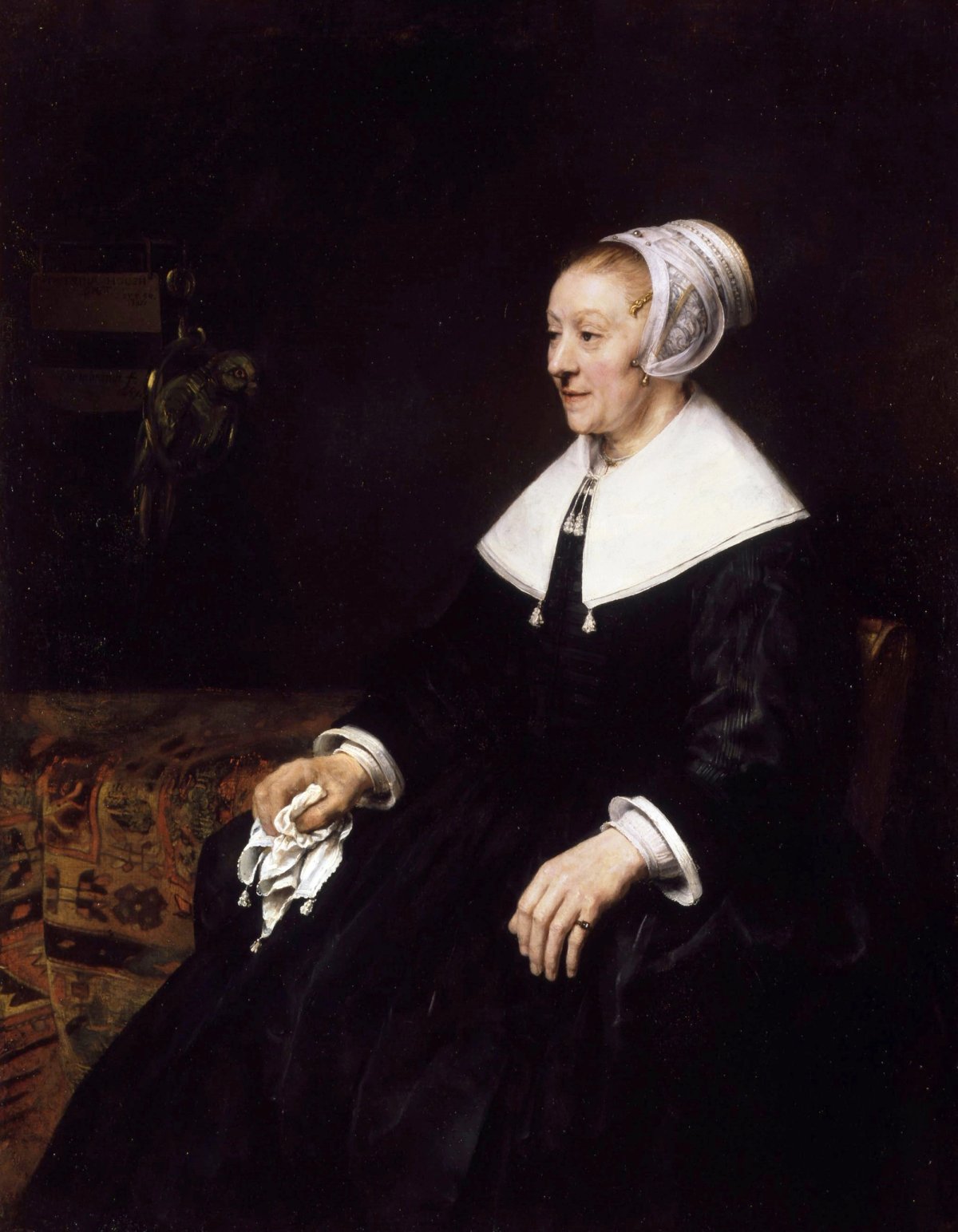
The UK government has placed an export bar on a Rembrandt painting valued at £71m, making it “the most expensive object ever to be given national treasure status”, says the Department for Digital, Culture, Media and Sport (DCMS).
Portrait of Catrina Hooghsaet (1657) is “one of the artist’s most exceptional later works” says the government. The painting, which has been in the UK since the mid-18th century, was sold at Christie’s in a private sale last year. The painting by the Dutch master depicts Catrina Hooghsaet, a wealthy member of the Mennonite community in Amsterdam who unusually lived apart from her husband. The portrait also features her pet parrot, which was included in her will.
The export bar, which allows time for a UK gallery or institution to acquire the painting, will initially expire on 26 December, after which the owners will have 15 business days to consider any offers at the recommended price, followed by a second deferral period of nine months.
The work is otherwise at risk of leaving the country, unless a domestic buyer can be found to save it for the nation. “Cases like this remind us of the public value of museums having dedicated acquisition funds, as they used to,” says Bendor Grosvenor, an art historian and columnist at The Art Newspaper.
Arts Minister Ruth Mackenzie says in a statement: “The Portrait of Catrina Hooghsaet has been part of the UK’s cultural life for centuries. The scale, beauty and history of this masterpiece make it a priority for cultural partners, funders, philanthropists and lovers of Rembrandt to help this masterpiece keep its historical place in the UK.”
The DCMS decision marks the second time the painting has faced an export block. It was previously sold to another overseas buyer by Sotheby's in 2015 for £35m. The new owner ultimately withdrew the export license application and loaned it to National Museum Wales in Cardiff for three years from 2016. The work had previously hung at Penrhyn Castle in north Wales since 1860.