Rudi Thoemmes has spent most of his working life in publishing under various guises: as an antiquarian bookseller; setting up academic publishers Thoemmes Press, and founding RRB Photobooks, which has published photographers including Markéta Luskačová and Jem Southam. Thoemmes has now launched Foxed Editions together with Björn Andersson and Jessa Fairbrother. The new imprint is devoted to facsimiles of overlooked historical photobooks and new publications mapping neglected areas of photographic history. Its first titles include a republication of Fred Judge’s 1924 study Camera Pictures of London at Night and Thomas Wiegand’s 66 Books from East Germany.
The Art Newspaper: Foxed Editions brings together your experience as a collector, antiquarian bookseller and publisher. Does it feel less like a new venture than a convergence of the different strands of your working life?
Rudi Thoemmes: Very much so. Under Thoemmes Press I published several thousand reprints relating to the history of ideas. There was also always a strong focus on lesser-known or so-called minor figures throughout my publishing programmes.
The programme concentrates on books that have become rare, fallen out of circulation or remained outside the established history of photography. What makes an overlooked book worth recovering? And how do you distinguish genuine historical importance from a collector’s enthusiasm for obscurity?
The historical importance of books is always subject to change. My test case for Foxed Editions was Trees of Britain and Ireland, an edited volume I published last year. The original was a fairly obscure seven-volume set published between 1906 and 1913. It was virtually unknown in the so-called photo world yet I would argue that it is of genuine historical importance.
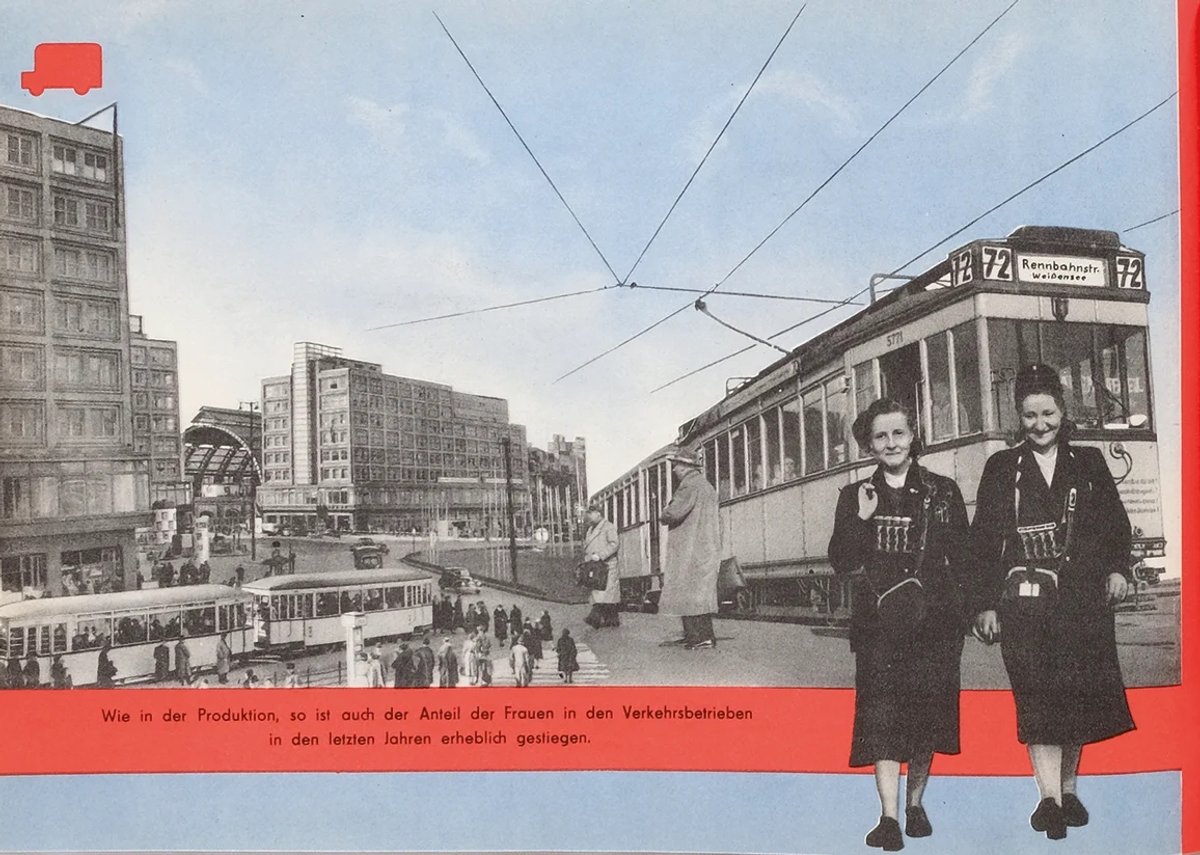
What did you see in East German photobooks that others had failed to recognise?
They tell interesting stories on several different levels, not least culturally and comparatively to West German books in the same period. And it was uncharted territory that could be explored for very little money.
With 66 Books from East Germany, are you less interested in recognising individual talent than in understanding a sophisticated visual culture that served the state?
It isn’t really as simple as that. I wouldn’t define GDR photobooks simply as instruments of the state. Many were commissioned or shaped by official institutions, but within those constraints photographers, designers and editors often produced work of remarkable visual intelligence and subtlety. The books are interesting precisely because they are more complex than simple propaganda.
Camera Pictures of London at Night is presented as an important precursor to better-known books by Harold Burdekin and Bill Brandt. Is Foxed Editions partly an attempt to challenge histories of the photobook that have become too dependent on a familiar canon of names and landmark publications?
“Challenging” is probably too strong. Shifting perspectives? Yes, definitely. Throughout my publishing career I’ve enjoyed expanding the histories of emerging “new” subjects and giving attention to important works that have simply been overlooked.
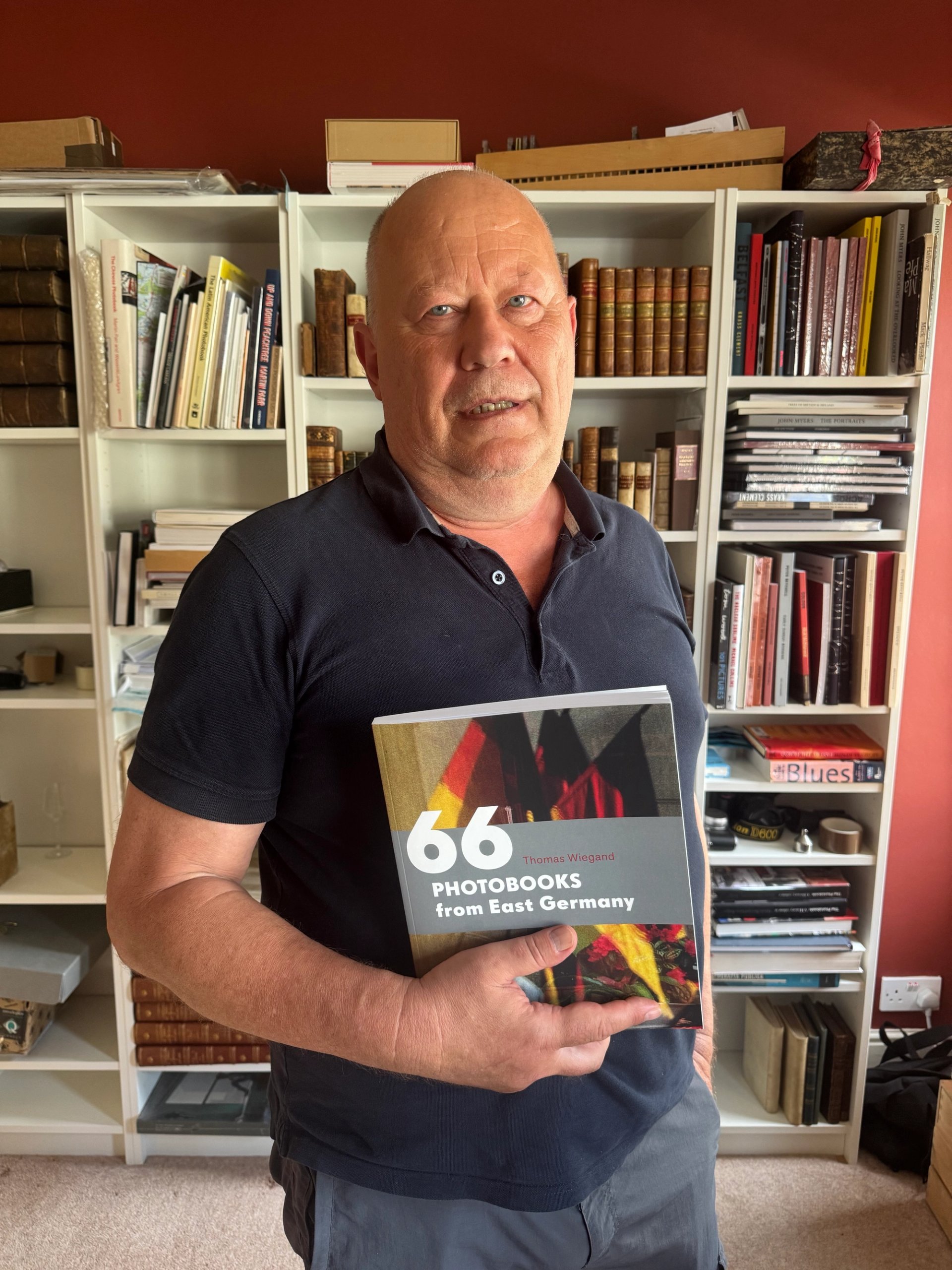
Rudi Thoemmes