Over seven decades, the pioneering Mexican artist Geles Cabrera turned human forms into intimate, sensuous volumes in stone, terracotta and bronze. Recognised as Mexico’s first professional female sculptor, Cabrera died on 1 September at age 100, leaving an enduring mark on Mexican contemporary art and museum practices through a revolutionary artist-run space she founded.
Born in Mexico City in 1926, Cabrera trained at the Academia de San Carlos and La Esmeralda at a time when nationalist art dominated Mexico and avant-garde expressions were emerging. Sculpture remained an overwhelming male-dominated field at the time. After two years at the Academia de San Alejandro de La Habana in Cuba, she returned to Mexico City in 1949 and held her first solo exhibition at the progressive Galería Mont-Orendáin.
Early on, the human figure became central to Cabrera’s practice, which evolved from from classical forms to experimental approaches. Her original path fused bodies and movement, turning hard materials like stone into fluid, often ambiguous compositions. Dance also informed her work, largely influenced by her participation in architect Alfonso Pallares’s experimental workshops in the 1940s, which drew on Italian Futurism and integrated sound, colour and movement.
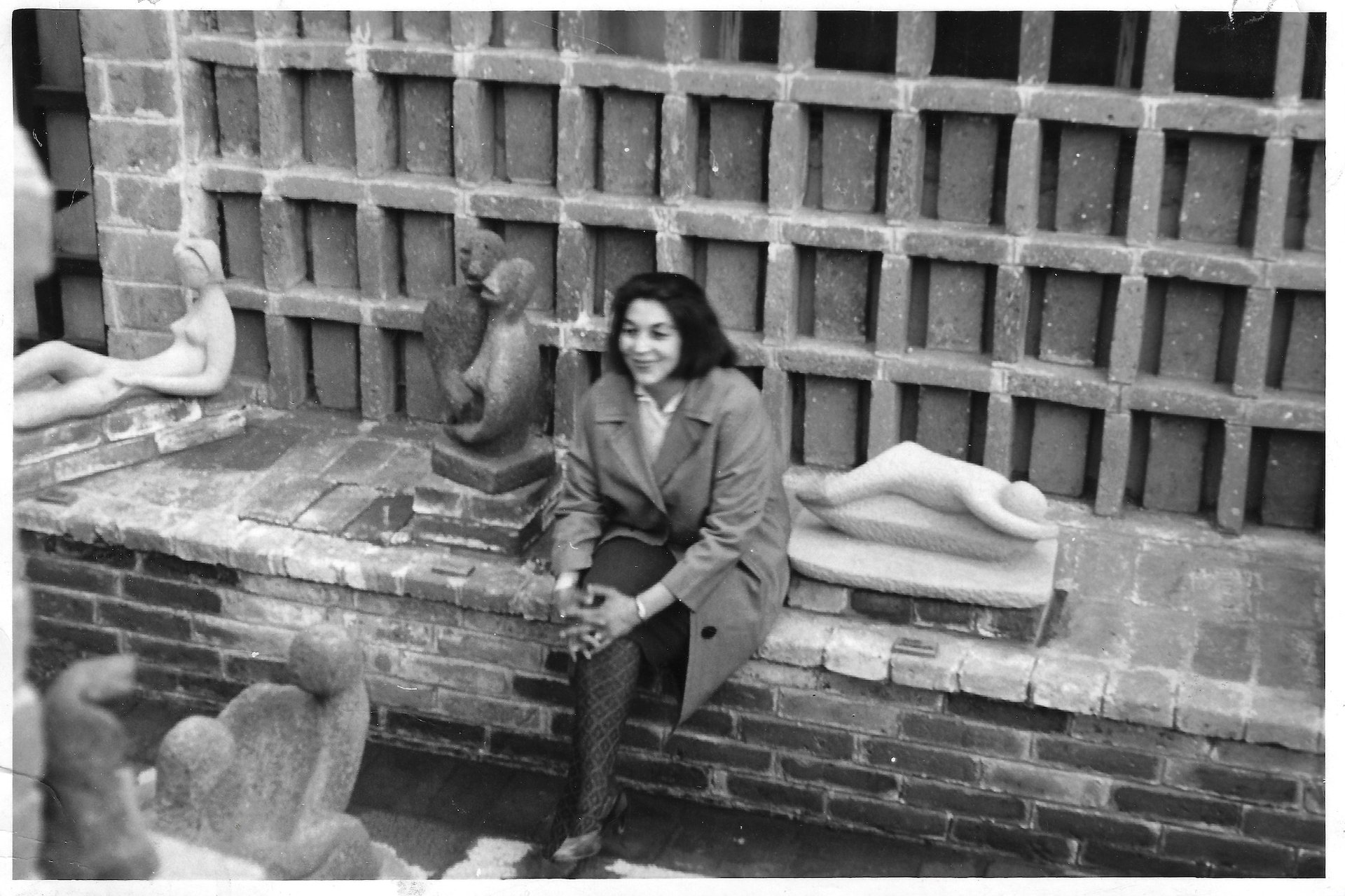
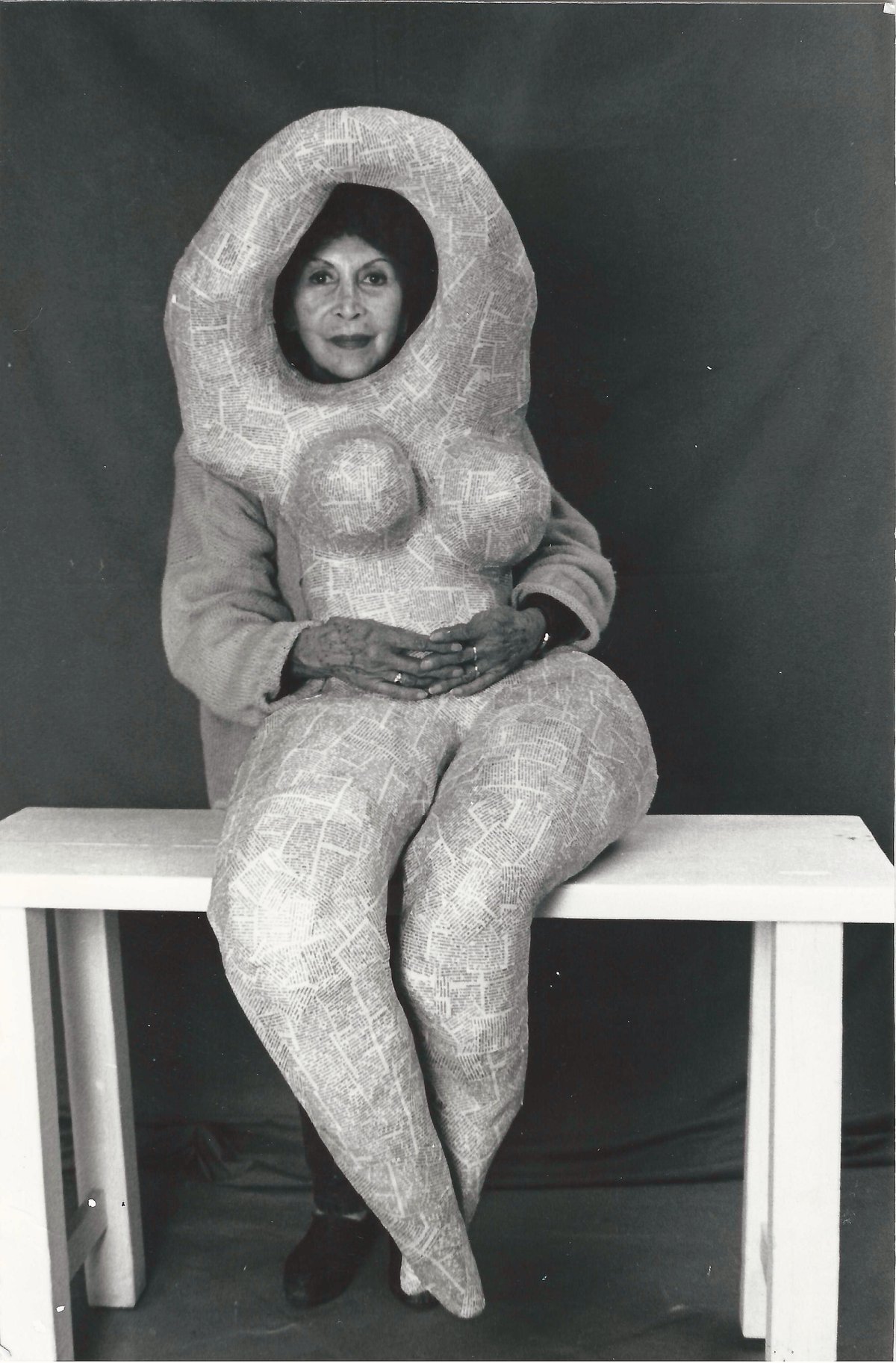
Geles Cabrera with her works in an undated photo © and courtesy Geles Cabrera and OMR Gallery
Cabrera’s sculptures exude emotion and, at times, eroticism. Yet she was adamant about her hands-on approach. “I am not like other artists who say that stone sings to them or things of that sort; I simply work,” she once told the Mexican artist Pedro Reyes, who helped “rediscover” her work after the two met in 2016.
Her works in recinto, a volcanic stone, have a distinctive, porous texture, while also hinting at Mesoamerican influences. “My father was an engineer working in Mexico City’s historic centre, where many wonderful pre-Hispanic pieces were carefully unearthed,” Cabrera told Reyes, who noted that her choice to leave stone unpolished was a technical innovation that went against convention.
Although she exhibited widely early on in her career, Cabrera struggled to garner institutional support. A mother of five and a teacher, she recalled making work whenever she could, including in her kitchen.
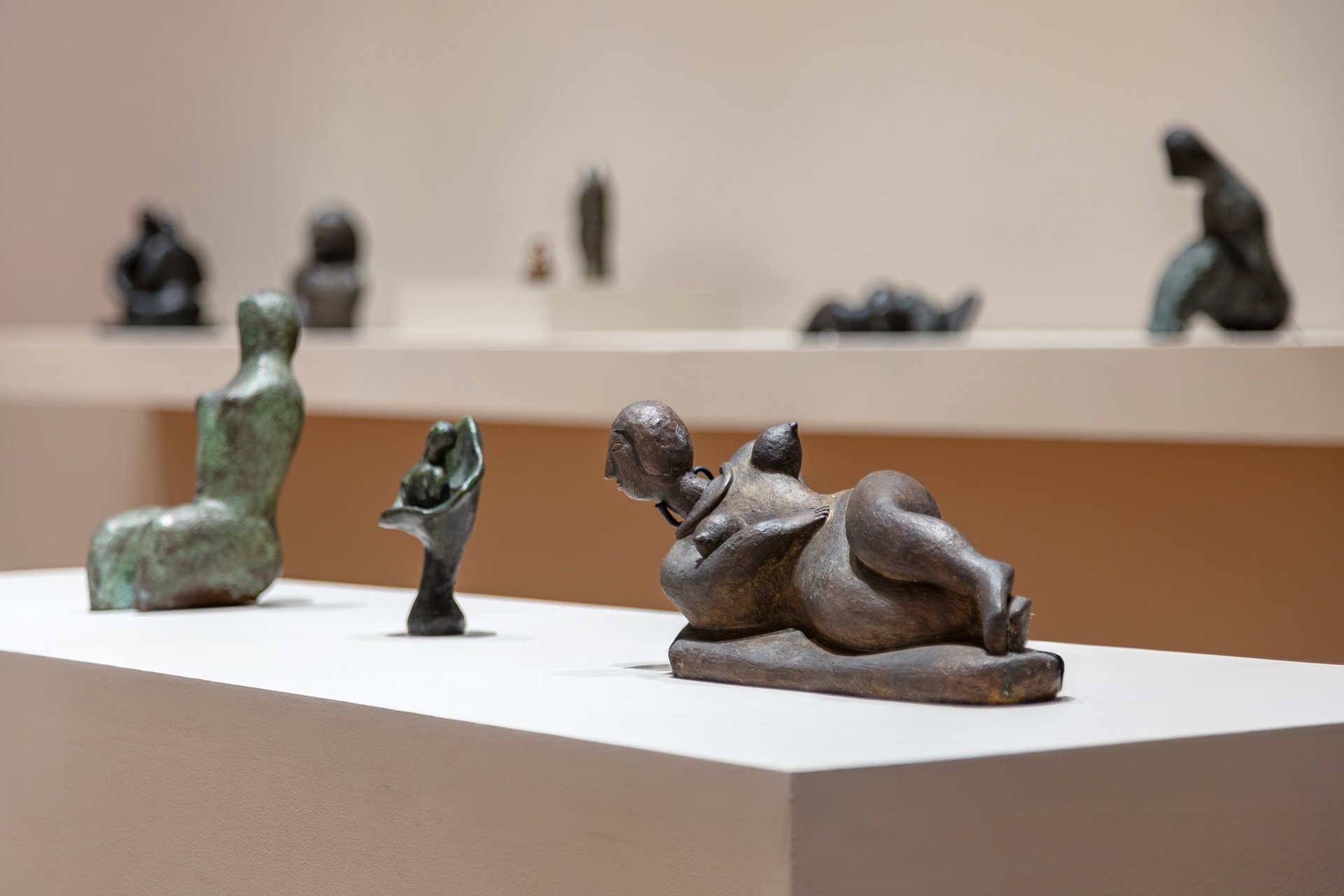
Installation view of Geles Cabrera: Partituras Corporales at Museo del Palacio de Bellas Artes Photo: Gerardo Landa/Eduardo López. Courtesy Museo del Palacio de Bellas Artes
“They built museums for all the [male] artists, but they never supported me,” she said. “Tell me the Mexican art system isn’t sexist; of course it is.” That situation led her to open the Museo Escultórico in Coyoacán in 1966. Conceived to showcase works by other artists, it evolved into a permanent display of more than 50 sculptures by Cabrera that operated until 2006. “This was probably Mexico’s first independent artist-run museum created during the artist’s lifetime,” Reyes says.
Though she was best known for her stone works, Cabrera experimented with terracotta, bronze, plexiglass, aluminium, wood and paper, while her forms shifted further into abstraction. She also joined avant-garde collectives, including GUCADIGOSE, alongside Ángela Gurría, Mathias Goeritz and others. In the 1970s, the group created an innovative, now-lost public art project in Villahermosa, Tabasco. “This all happened before the renowned Espacio Escultórico, a public art space at the Universidad Nacional Autónoma de México,” Reyes says.
Cabrera kept an extensive archive related to her career, including photographs and clippings by prominent writers like Salvador Elizondo. “The archive has more than 2,000 photographs and clippings dating back to the 1940s, allowing us to trace her practice and its reception,” says Reyes, who keeps it at his library in Mexico City, Tlacuilo.
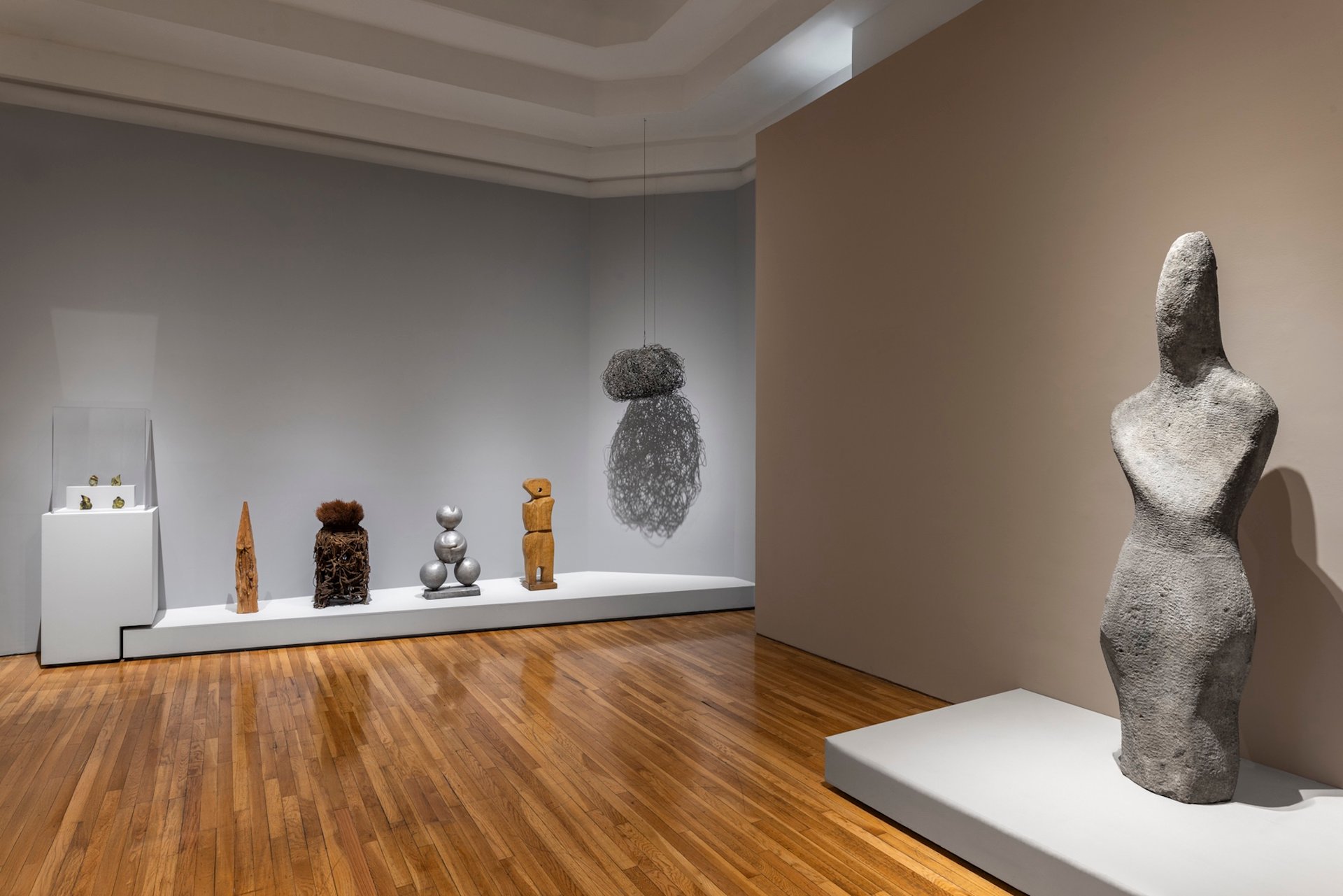
Installation view of Geles Cabrera: Partituras Corporales at Museo del Palacio de Bellas Artes Photo: Gerardo Landa/Eduardo López. Courtesy Museo del Palacio de Bellas Artes
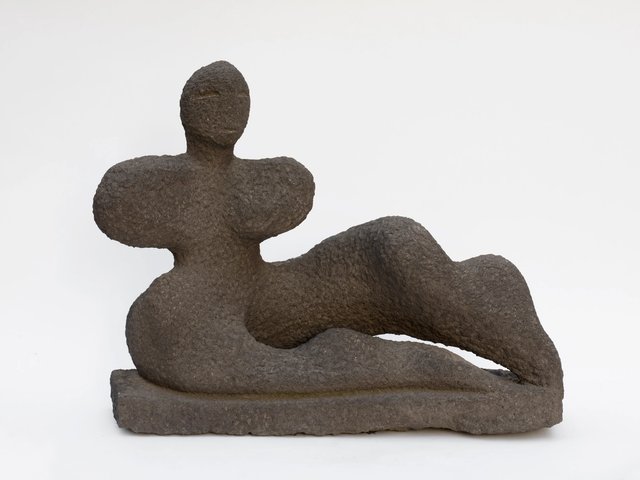
Cabrera became increasingly associated with the reassessment of Mexican sculpture after Reyes organised the 2018 survey exhibition Geles Cabrera: primera escultora de México at the Museo Experimental El Eco in Mexico City. International recognition followed with Geles Cabrera: Museo escultórico at the Americas Society in New York in 2022, her first solo show in the US.
“Offering the New York public its first exhibition of Cabrera was an honour and enriched our institution,” says Aimé Iglesias Lukin, who co-curated the Americas Society exhibition with Tie Jojima and Rachel Remick. “Cabrera’s body of work is immense, and we tried to redress an art-historical debt to her legacy.”
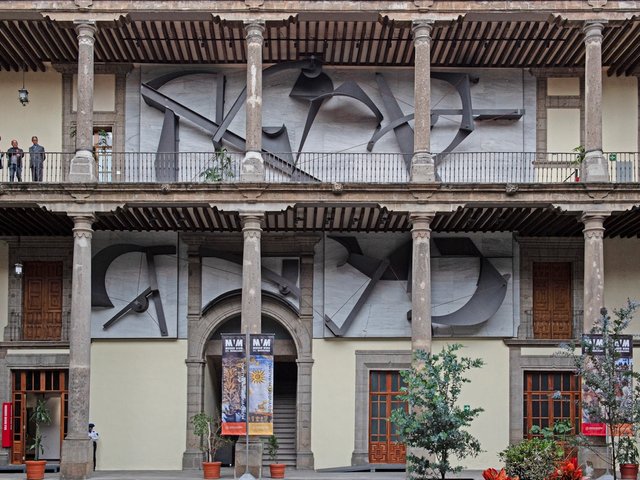
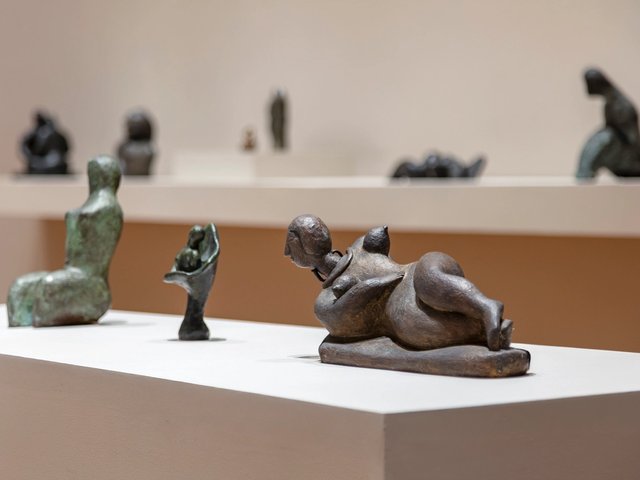
Cabrera soon received the 2023 Bellas Artes Medal in Visual Arts, Mexico’s highest artistic distinction. This was followed by the retrospective Geles Cabrera: Partituras Corporales (2025-26) at Mexico City’s Museo del Palacio de Bellas Artes. “The greater attention paid to women artists has broadened Mexican art history, something that did not happen regularly in the past,” says the curator Joshua Sánchez González. He adds that Cabrera “opened the way for new relationships between body, material and space, as well as for Mexican women artists”. Organising the exhibition involved restoring certain works, including the totem-like stone sculpture Untitled (1965), which had been partially buried in Cabrera’s garden for years.
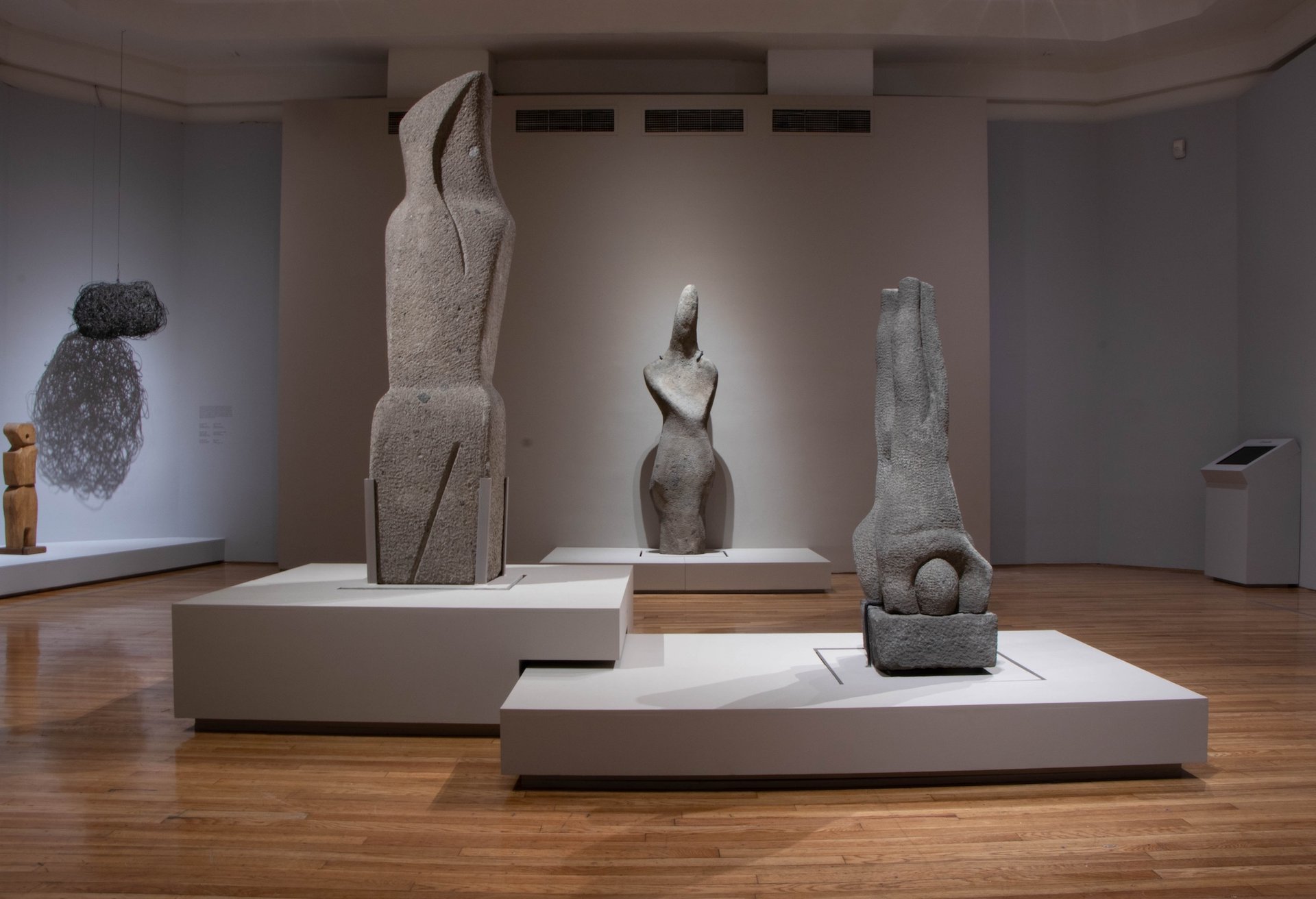
Installation view of Geles Cabrera: Partituras Corporales at Museo del Palacio de Bellas Artes Photo: Gerardo Landa/Eduardo López. Courtesy Museo del Palacio de Bellas Artes
Cabrera also returned to the commercial art world late in her career, in 2018, showing with the dealer Agustina Ferreyra, who represented her through her now-closed gallery, and later at OMR, where Ferreyra is now a director. “Geles did not wait for the world to make a place for her: she shaped it with her own hands,” Ferreyra says. “She was her own muse.”
In Mexico, Cabrera’s work is held in collections including the corporate collection of Femsa and the Museo de Arte Moderno, but Ferreyra says greater institutional representation is needed. Collectors and institutions are increasingly seeking out Cabrera’s work, she adds.
“I am glad she got to see her work being valued and that she visited her Bellas Artes retrospective,” Reyes says. “Contrary to 15 years ago, the history of Mexican sculpture now has Geles as a protagonist.”