In its fifth edition, Guadalajara Art Week (24-27 September) drew on the city’s cultural legacy, from modern figures like Dr Atl to influential projects from the early 1990s and emerging artists. Held annually in late September, the citywide programme continues to grow and attract greater engagement from local collectors while retaining its sense of intimacy.
Centred on Estación Material, the boutique fair launched by Mexico City’s Feria Material (co-founded and directed by Brett Schultz), Guadalajara Art Week combines exhibitions, open studio events and independent projects in an unrushed atmosphere. Guadalajara, Mexico’s third-largest city, also hosts a gallery weekend event before Mexico City’s February art week. The events’ coexistence attests to a vibrant local art ecosystem with its own momentum, which also benefits from the capital’s global buzz in a still largely centralised national art scene.
Guadalajara Art Week attracts plenty of visitors and galleries from Mexico City, but its community-centred art scene sets it apart as an art destination. This informed the approach for Estación Material, whose first two editions were held at the cultural promoter and collector José Noé Suro’s Cerámica Suro facility, a key venue to the local scene since the 1990s. “The fair emerged from a shared interest in activating the national scene amidst the pandemic,” Schultz tells The Art Newspaper.
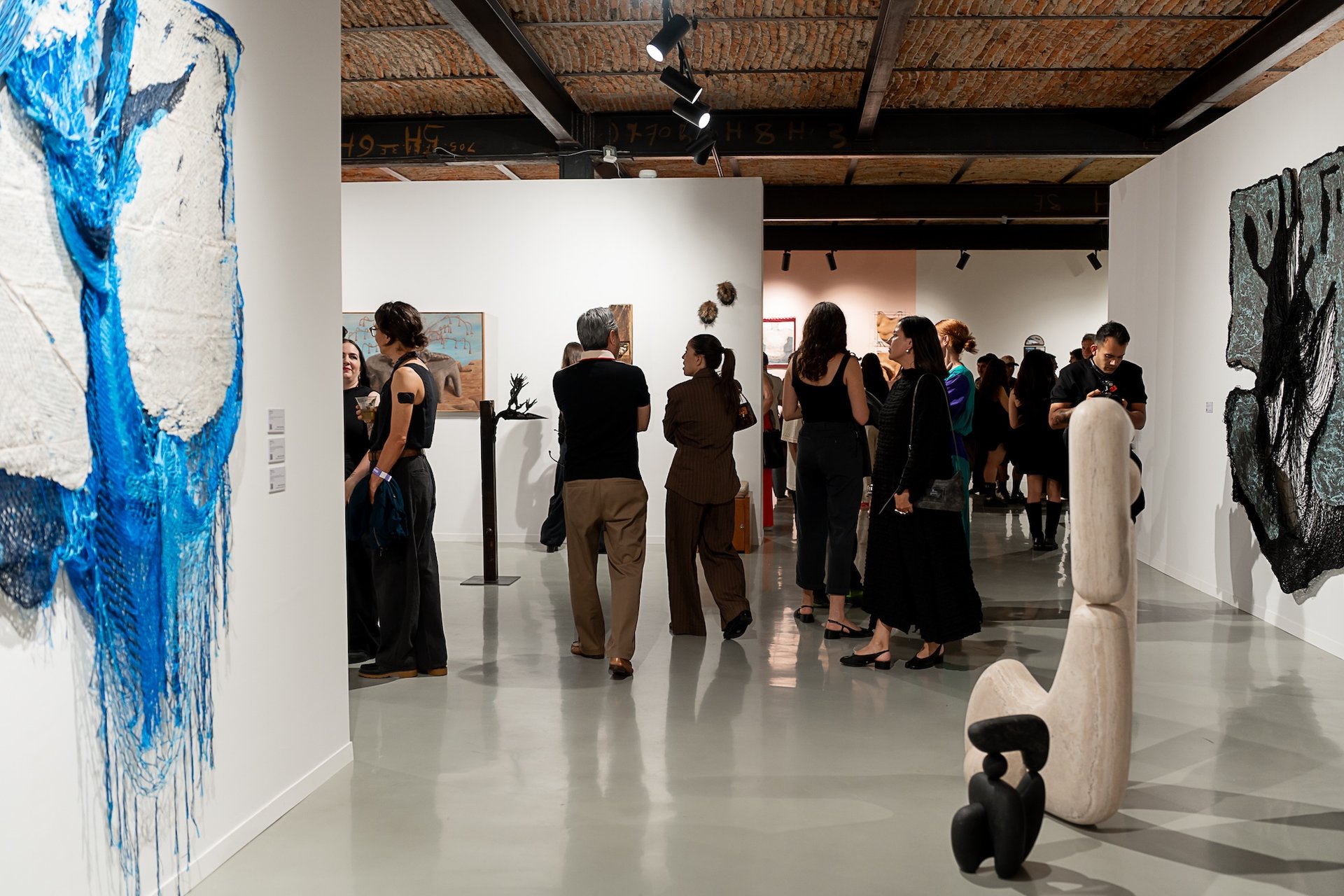
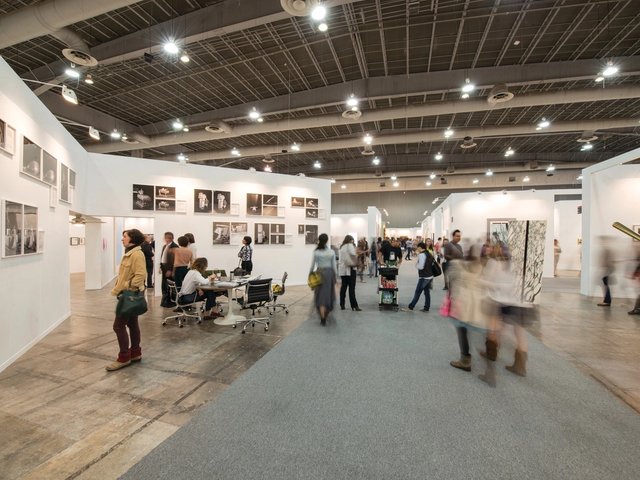
Visitors at the fifth edition of Estación Material during Guadalajara Art Week Photo: Ana Karen Morales/Narrativo. Courtesy Estación Material
Staged this year at Plataforma, a non-profit in a former funeral home, Estación Material brought together 18 galleries and independent project spaces from Mexico City and Guadalajara in group presentations staged across an open layout. The fair engaged local collectors through a new hosting committee and Mexico’s first institutional acquisitions committee, inspired by Argentina’s Arteba, where collectors co-finance acquisitions.
“The idea was to involve local collectors, building on longstanding relationships,” Schultz says. “Guadalajara is a city where we can experiment and has all the elements for an art fair of this scale to work.”
The Fundación Museo Reina Sofía from Madrid and the Saint Louis Art Museum took part in the acquisition programme. “For the museum, Latin American representation is key, and we want to advance in Mexico,” says Amanda de la Garza, a curator from Monclova, Mexico, who is now the deputy artistic director of the Museo Reina Sofía. “This is a great opportunity to support the local scene.”
The Mexico City-based galleries Gobernador and Alejandra Topete, both first-time participants, were optimistic. “We connected with local collectors who opened their homes for meaningful interactions,” says Camila Knowles, Gobernador’s director. Alejandra Topete concurred, calling Estación Material “detail-oriented and complete”. Sales were mixed, dealers said, but positivity prevailed. The local gallery Palma, for example, sold three quarters of its solo presentation featuring Julieta Beltrán’s paintings, while Guadalajara90210, which has locations in both Guadalajara and Mexico City, reported multiple sales to Mexican collectors.
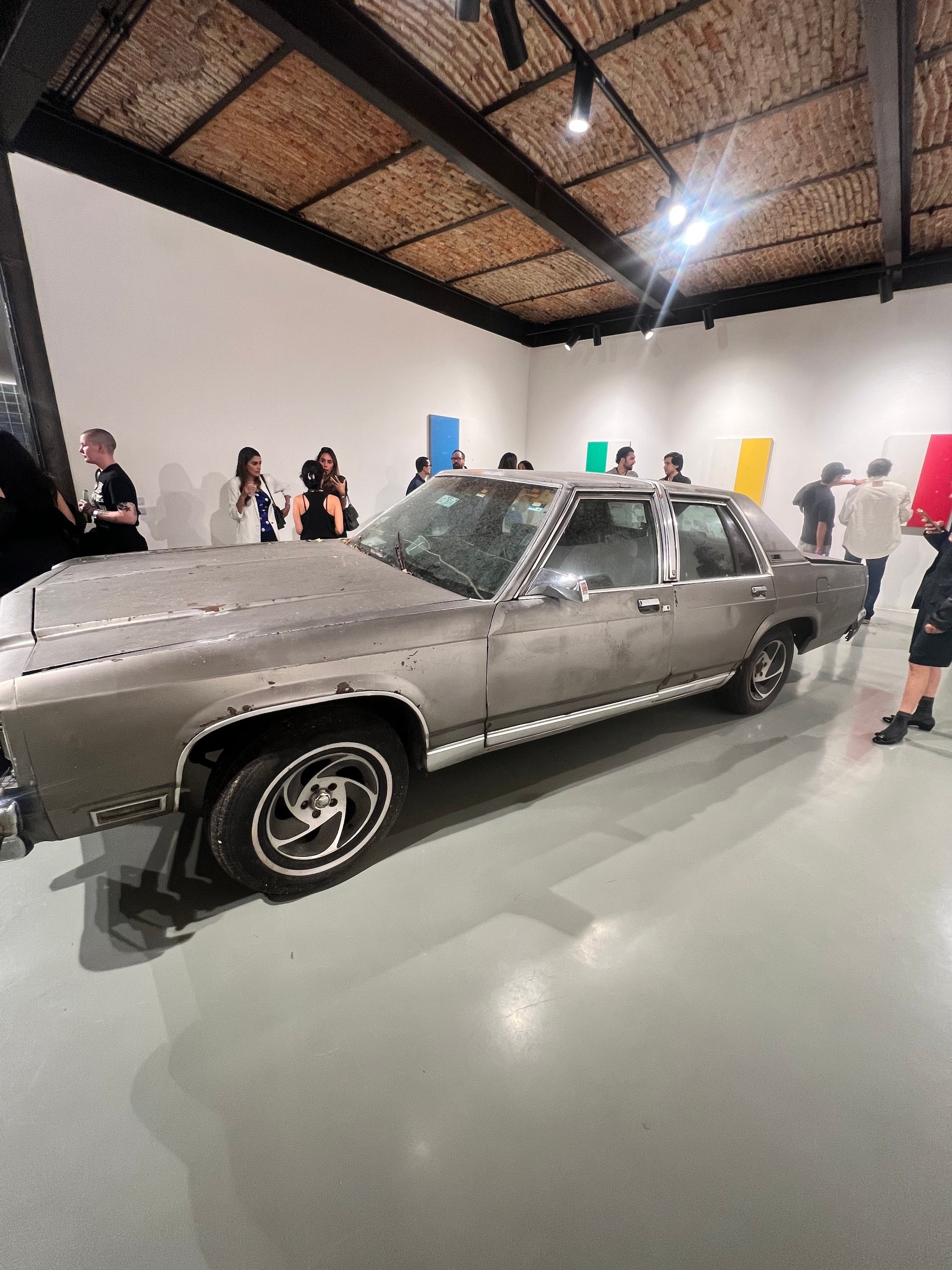
Jorge Méndez Blake, Haiku para Estacionamiento (2026), presented by Travesía Cuatro at Estación Material Photo © Constanza Ontiveros Valdés
The Mexico City- and Madrid-based gallery Travesía Cuatro, which closed its Guadalajara outpost but remains active locally, showed a presentation that included an eye-catching sculpture by Jorge Méndez Blake: a dishevelled car with one wheel supported by a pile of haiku books. The Guadalajara-based gallery Curro showed paintings by the local artist Juan Manuel Salas, who runs the experimental painting residency Déficit.
Material’s two-year Projects programme supporting emerging initiatives was a standout, showcasing organisations from across Mexico—including Un Dique from Ciudad Juárez and Proyectos Espectra from Mérida—that reflect the diversity of art scenes beyond Mexico City.
Elsewhere, Estudio Acme, organised by the Mexico City fair Salón Acme, returned to Sala Roxy with a curated show exploring a dystopian garden through existing works and large-scale commissions. Its open-air exhibition space benefited from rainless days.
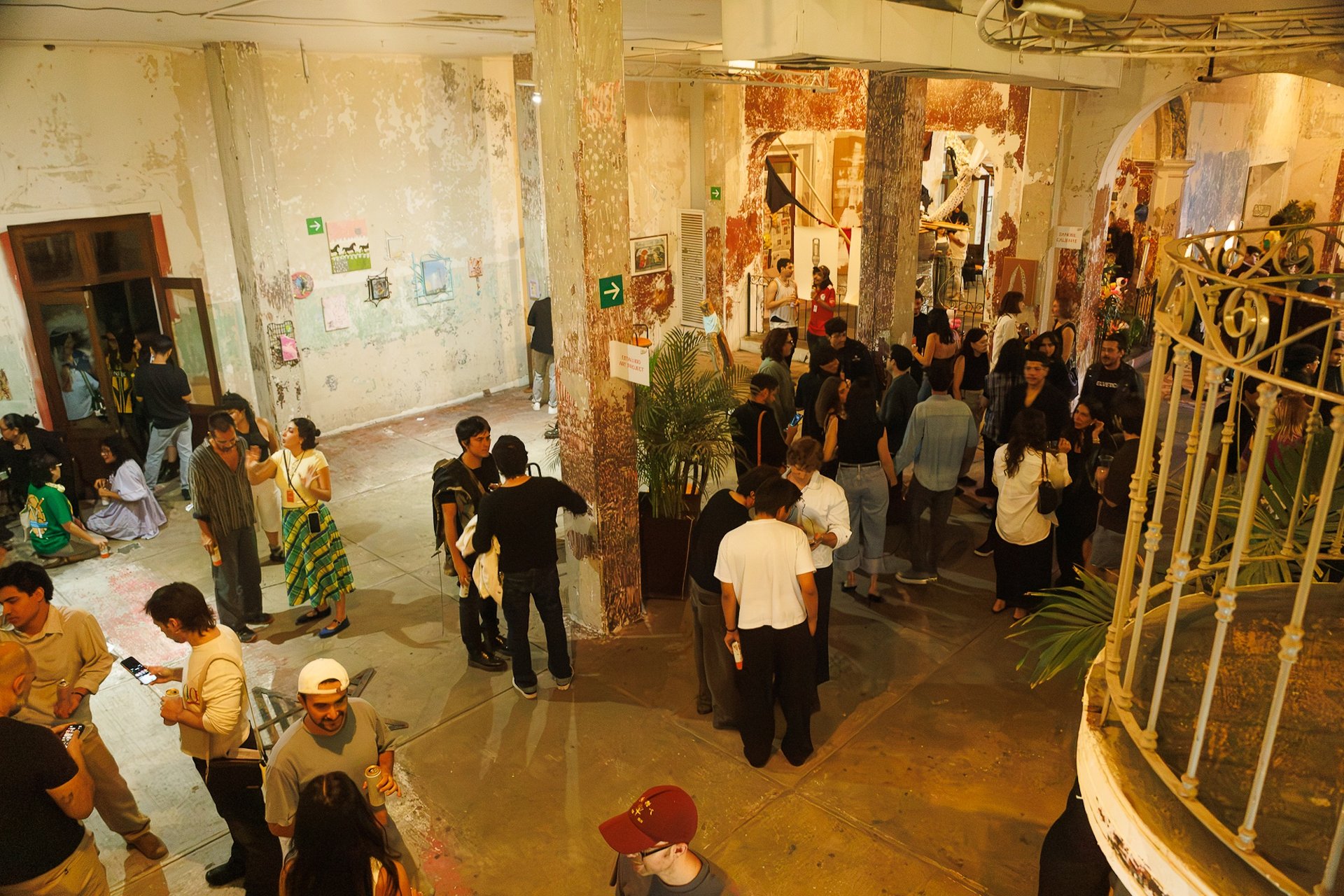
Visitors at Días Feriados, a new fair that debuted during Guadalajara Art Week 2026 Photo: Renee G. Gudiño
A new fair, Días Feriados, offered an edgier, experimental alternative at the former Santa Teresa convent, showcasing artists aged 20 to 35. Hiram Constantino, a member of the founding team behind the fair (which is free for visitors), said it grew out of seven years of collaborative work at the independent initiative Otro Espacio. “We are opening doors for young artists mainly from the Bajío region,” he said.
The week’s programming reveals another reality: in Guadalajara, contemporary art galleries are scarce compared to independent initiatives and people pursuing new models. Palma, for instance, combines exhibitions and artists’ studios with displays from the collection of its co-owners, Poly Padilla and Xavier X Calderón (both of whom serve on Material’s acquisition committee). The emerging local gallery Castillo Interior joined Días Feriados and hosted a silent auction at the home of another acquisition committee member, Hugo Cuesta Tamayo.
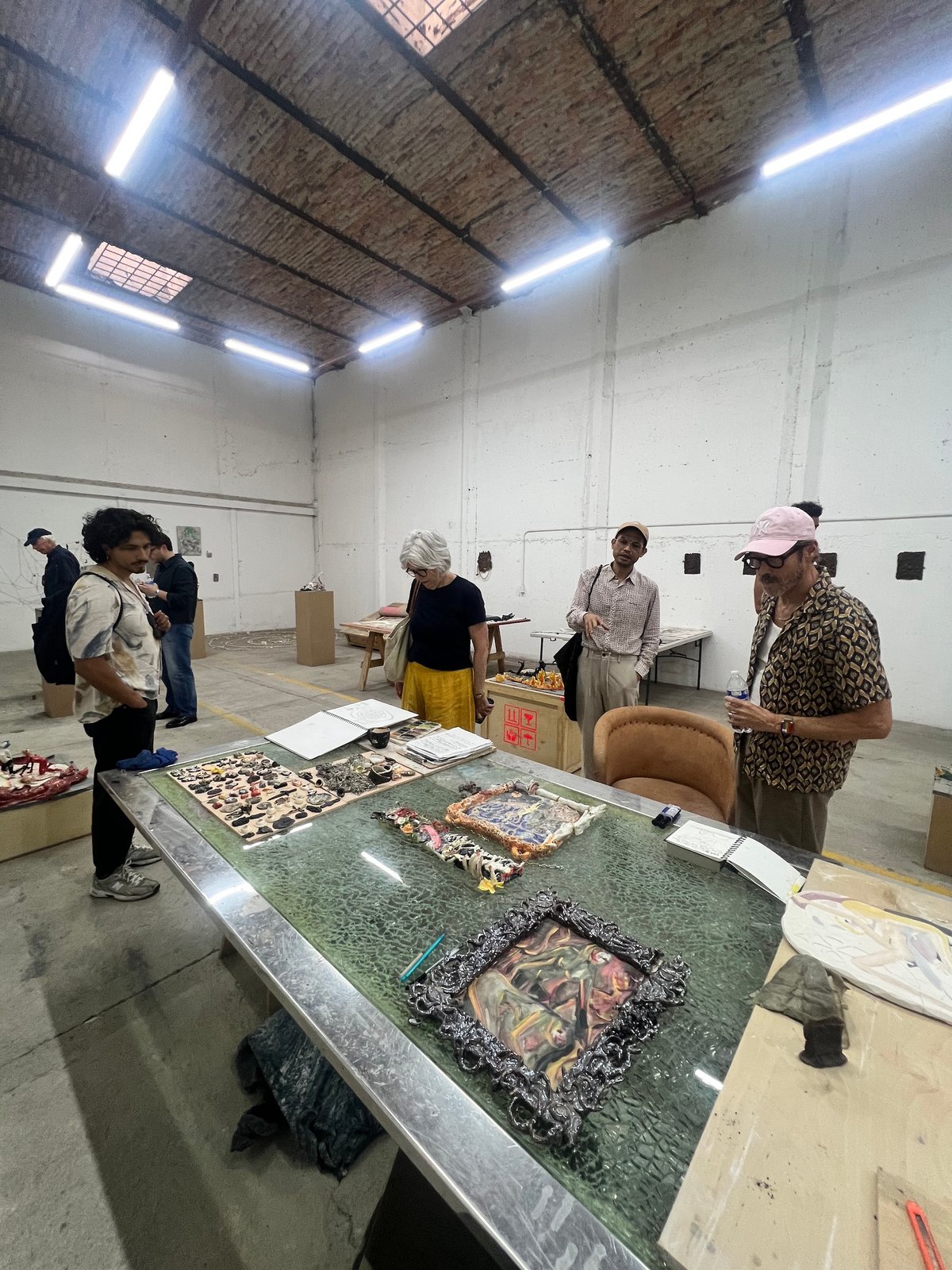
A growing art hub occupies a former train storage space in the city’s Morelos neighbourhood. The artist Gabriel Rico opened a studio there in 2019, and others have followed—the artist Temoc Camacho and the gallery Enllamas recently opened spaces there. The legacy of the late Guadalajara-based curator and collector Carlos Ashida is felt through Solin Ignis’s masterful use of the Gobelins technique that Ashida helped introduce to the city. “We work as a community,” says Alejandro García Contreras, who has a studio in the former train yard and produces ceramics at Suro.

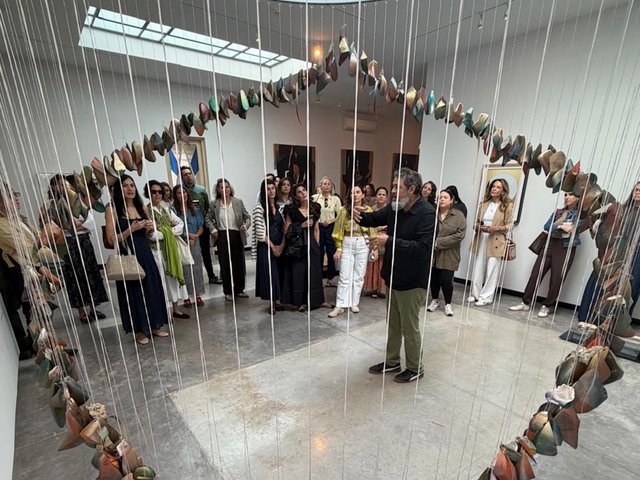
Installation view of a project by the Chilean artist Constanza Almazán at Museo Panteón de Belén Photo © Constanza Ontiveros Valdés
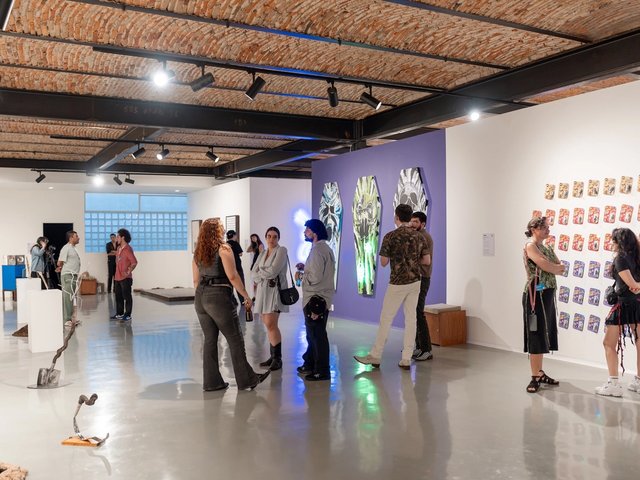
The Museo Panteón de Belén and Suro were standout venues during this edition of Guadalajara Art Week. At the former, the Chilean artist Constanza Almazán showed ceramics produced during a Suro residency in a candlelit display.
Established artists connected to Guadalajara’s scene were prominent. Méndez Blake’s massive studio also serves as a showroom. Marco Rountree’s stone works, inspired by the stone mural technique of the muralist Juan O’Gorman, were featured in the Material presentation of Guadalajara90210 (which Rountree co-founded) and at Estudio Acme. He also co-curated the new exhibition Industrial Symphony in Two Movements (until 7 February 2027) at the Museo de Arte de Zapopan, with Alma Saladín.
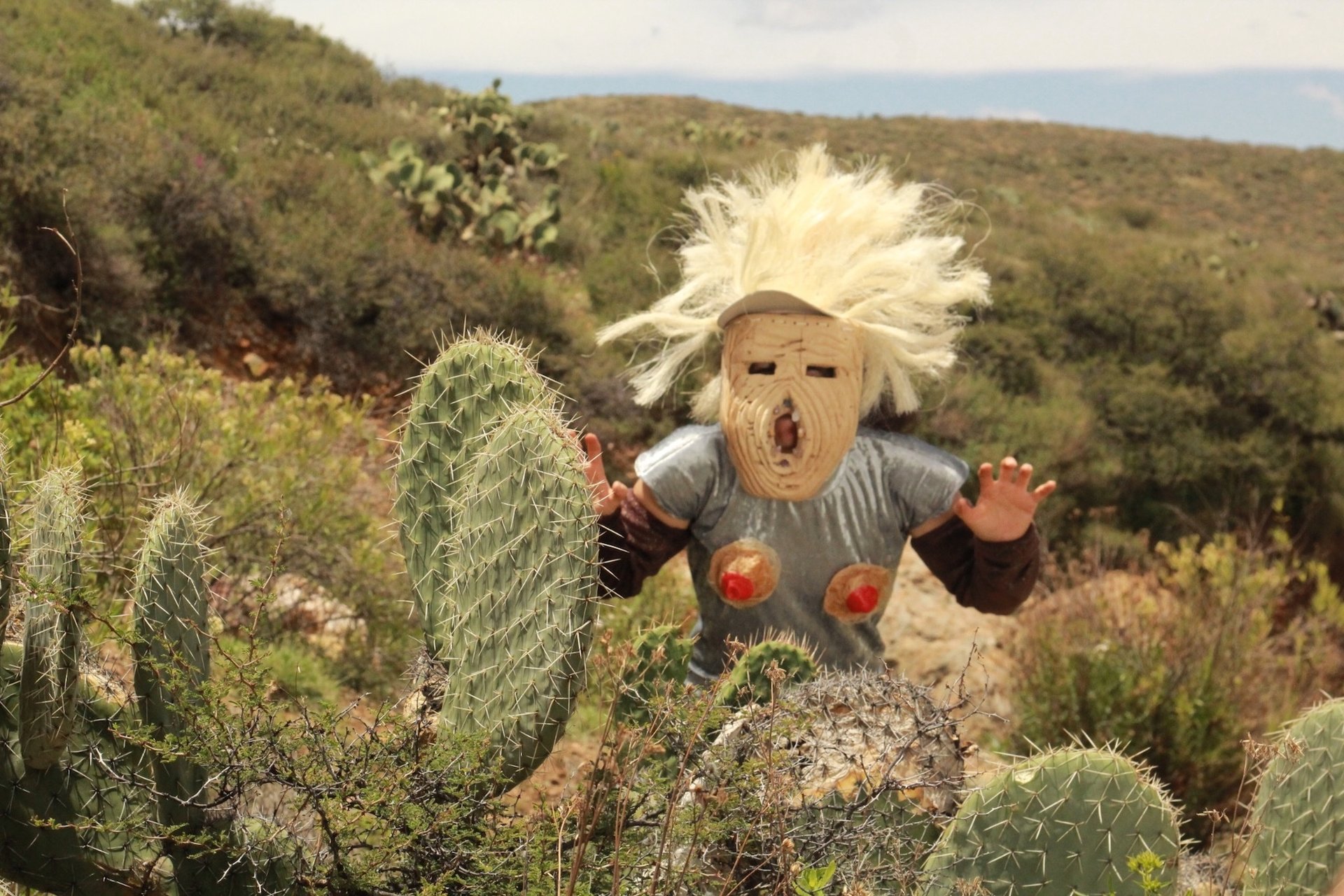
Still from Naomi Rincón Gallardo's Heavy Blood (2018), acquired from Peana's stand at Estación Material by the Fundación Museo de Arte Reina Sofía Courtesy the artist and Peana
On the final day of Estación Material, the museum acquisitions, both from the Mexico City-based gallery Peana, were revealed: the Reina Sofía acquired Heavy Blood (2018), a video by the Mexican artist Naomi Rincón Gallardo; the Saint Louis Art Museum acquired two works by the Mexico City-based French artist Julia Rometti.
The shifting format of Estación Material reflects the local art scene’s growing momentum and the increasingly international attention that Guadalajara Art Week is drawing. “There is no one-size-fits-all,” Schultz says. “Especially in Mexico, we should look for the most suitable model for each city, with a sustained future in mind.”