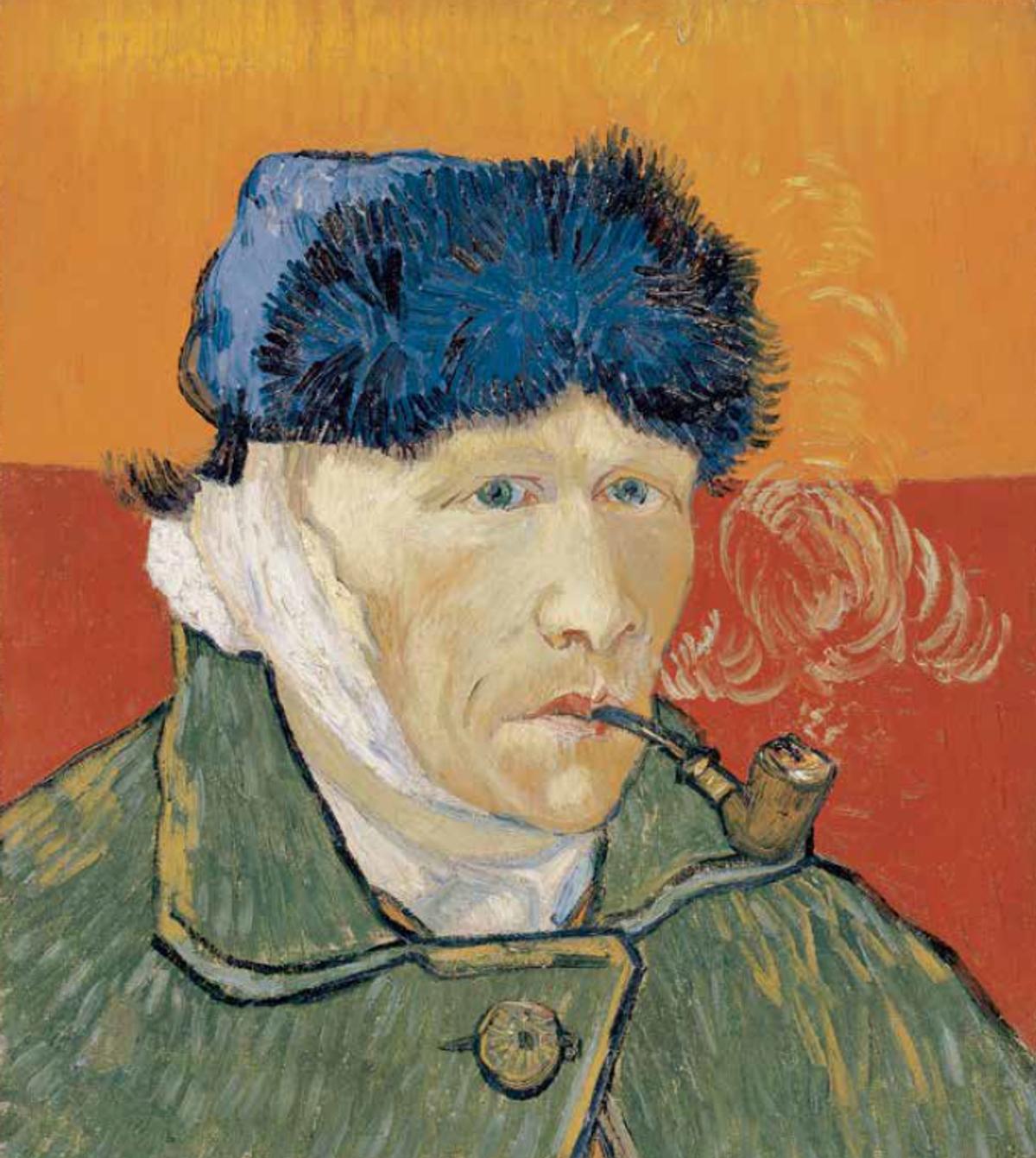

Earlier this year, we published a story about why one of Van Gogh's rarely seen self-portraits deserves more attention. Now its moment has arrived: it will soon be the centrepiece of an ambitious exhibition at the Fondation Louis Vuitton in Paris. The huge show reassembles many of the important paintings once owned by the avant-garde collector Gustave Fayet.
Although Self-Portrait with Bandaged Ear and Pipe has been lent periodically for display in the collection of the Kunsthaus Zurich, the last time it went to a temporary exhibition was back in 1990. Since then, it has been requested for numerous shows, but all loan applications have been rejected—until now.
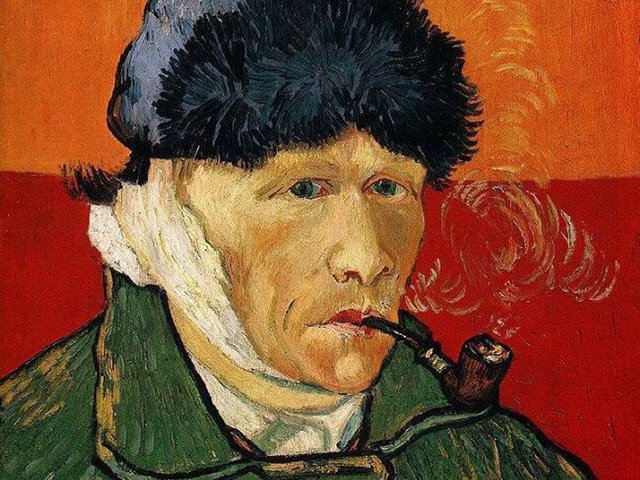
Self-Portrait with Bandaged Ear and Pipe will be among the most important loans to Gustave Fayet, Collector-Designer: Icons of Modern Art (9 October-8 March 2027). A French collector and artist, Fayet (1865-1925) was one of the most important early 20th-century collectors of Modern art.
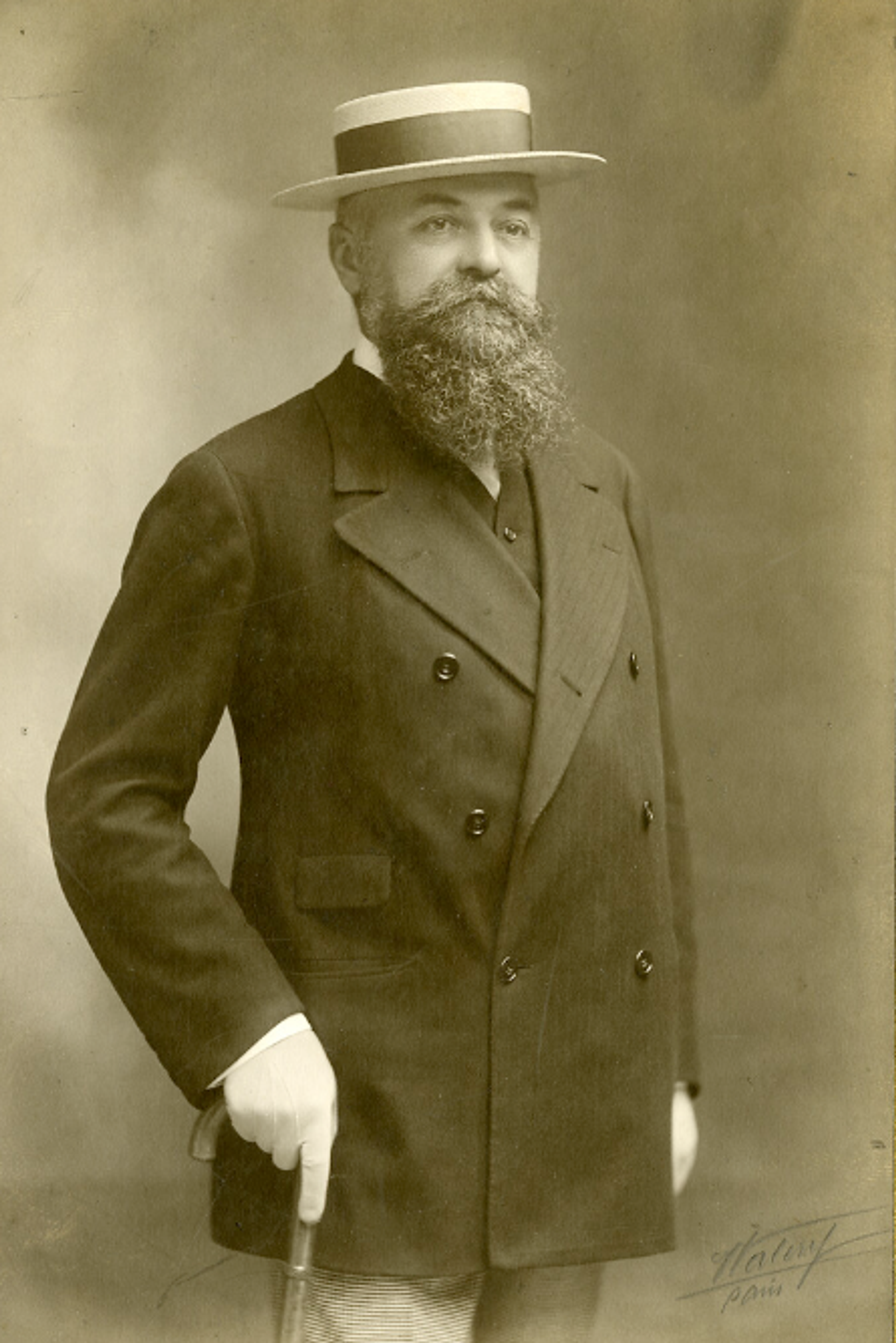
Gustave Fayet (around 1900-10) AF © MAGFF
Although the lenders of the self-portrait are remaining anonymous, they are the heirs of the Greek shipping magnate Stavros Niarchos (1909-96), who include his eldest son Philip. Stavros Niarchos bought the Van Gogh in the 1970s. He is said to have paid $2m-$3m, but the undisclosed valuation for insurance/indemnity purposes for the Paris exhibition might now be closer to $200m-$300m.
A poignant moment
Self-Portrait with Bandaged Ear and Pipe was painted in mid-January 1889, three weeks after Van Gogh had mutilated his ear. It is astonishing that he chose this moment to depict himself, turning his head to emphasise the bandage over the healing wound. We can only speculate on his motivation, but it may have represented an attempt to come to terms with his terrible act of self-harm. At the same time, he painted another self-portrait with his bandaged ear, which is now at London’s Courtauld Gallery.
What is striking in the Niarchos painting, artistically, is the divided background of orange and red, contrasting with the artist’s deep green coat—complementary colours that bounce off against each other. Slightly unusually, for a self-portrait, the artist is depicted smoking his beloved pipe, which he described as offering him consolation.
Intriguingly, Van Gogh painted the self-portrait just a month after he had visited the Musée Fabre in Montpellier with his colleague Paul Gauguin, who was then staying with him in the Yellow House in nearby Arles. At the museum, he particularly admired the paintings by Gustave Courbet, which included a self-portrait with the artist smoking a pipe.
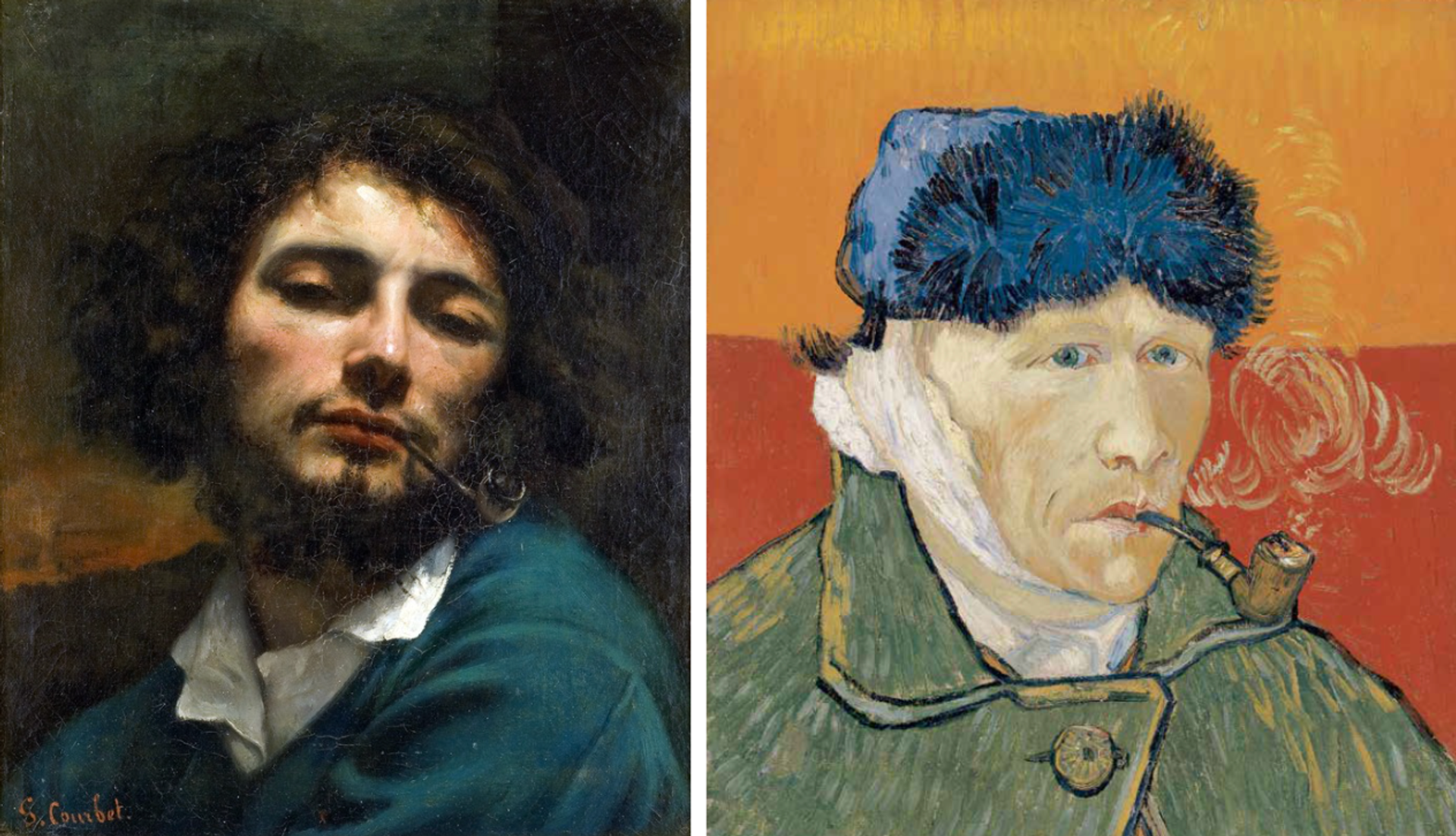
Gustave Courbet’s L'Homme à la Pipe (around 1849) and Van Gogh’s Self-Portrait with Bandaged Ear and Pipe (January 1889) Courbet: Musée Fabre, Montpellier (Wikimedia Commons). Van Gogh: private collection, photo: © Peter Schälchli
Both the Courbet and Van Gogh self-portraits shared the same title: “L’Homme à la Pipe” (Man Smoking a Pipe). Although the styles of the two painters could hardly be more different, it is possible that Van Gogh was partly inspired by Courbet’s motif. This link has not attracted any attention.
Van Gogh seems to have left his self-portrait in Arles when he moved to the asylum at Saint-Rémy-de-Provence in May 1889. In 1896 the painting was bought by the artist Émile Schuffenecker. He sold it in 1902 to Fayet, who paid 3,000 French francs (then $580).
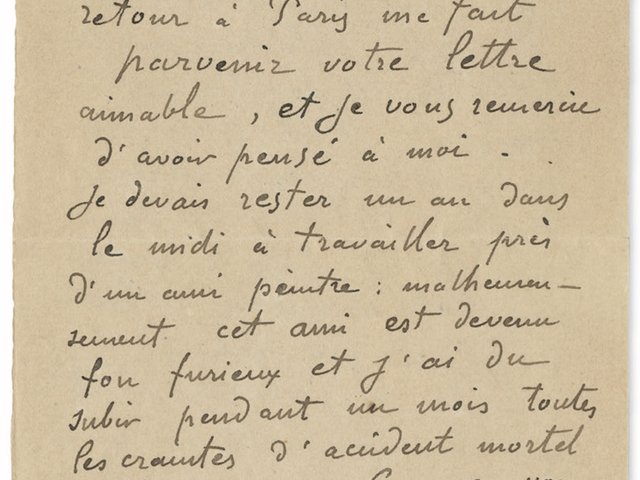
Schuffenecker wrote to Fayet just before the sale, in an unpublished letter: “I have the misfortune—due to a temporary need for money—to part with this work which, besides its artistic beauty, it reminded me more of poor Van Gogh, who I personally knew.”
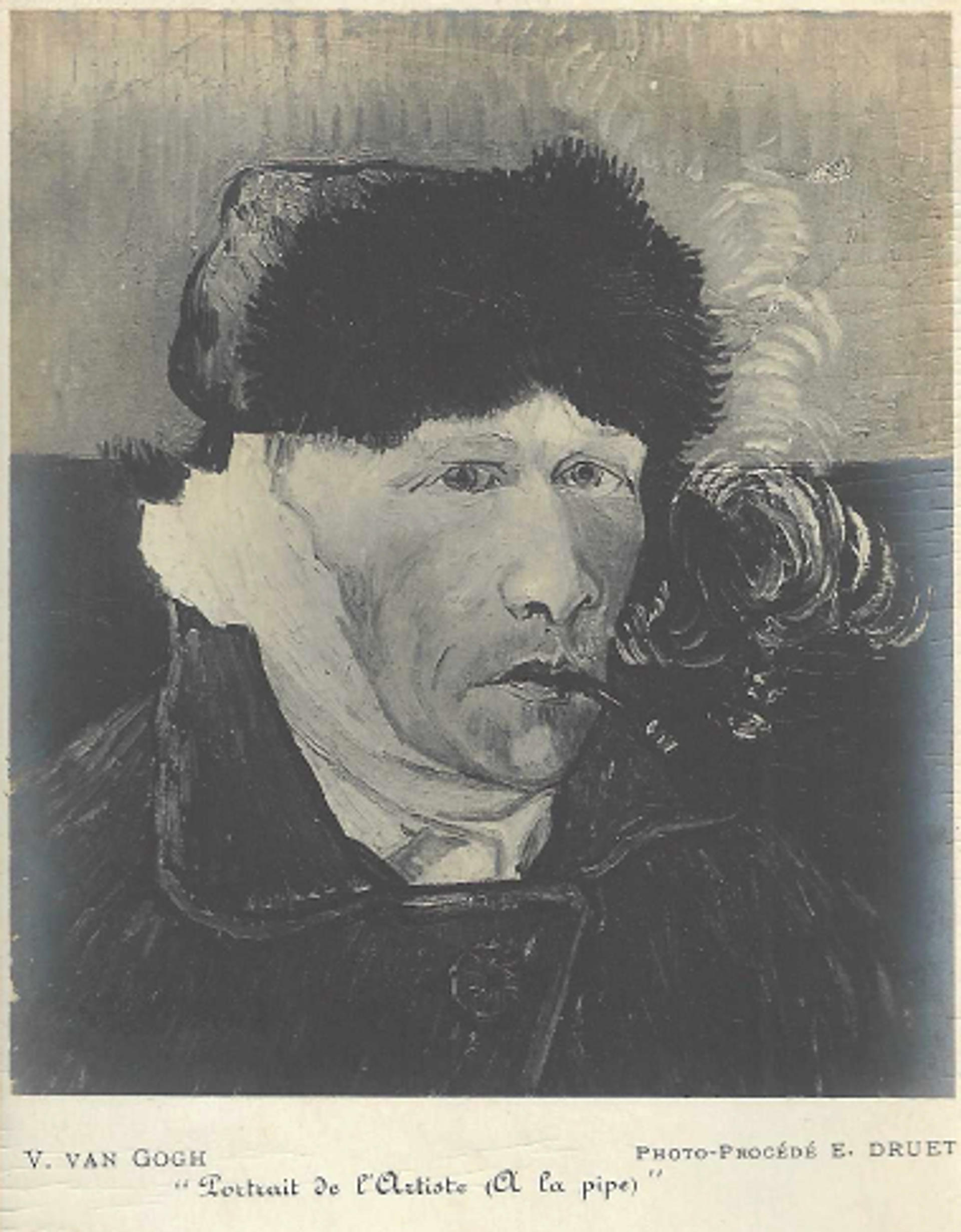
Postcard of Van Gogh’s “Portrait de l’Artist à la Pipe” (around 1910), published while the painting was owned by Gustave Fayet Published by Eugène Druet, Paris
Fayet, who eventually bought an astonishing 16 Van Gogh paintings, kept the self-portrait until his death in 1925. It then went to the Paris art dealer Paul Rosenberg. In March 1939, on the eve of the Second World War, he sent it on a short-term loan to a slightly unexpected venue in eastern Europe—the Prince Paul Museum in Belgrade, then in Yugoslavia.
Looting
In 1941, the self-portrait was seized by the Nazis from Rosenberg’s collection and then acquired by Hermann Göring, Hitler’s deputy. It was subsequently smuggled into Switzerland in a diplomatic bag. The Van Gogh was recovered in Zurich in 1945 and three years later it was restituted to Rosenberg (so it is now not subject to potential restitution claims).
The self-portrait was then bought by the New York advertising executive Albert Lasker and in 1949 it passed to the Chicago steel-company owner Leigh Block and his wife Mary. There were hopes that the Van Gogh work might eventually be given to the Art Institute of Chicago, but that was not to be, and Block sold the painting in the mid 1970s, when it went to Niarchos.
At the Fondation Louis Vuitton’s exhibition the Van Gogh self-portrait will be presented along with a later self-portrait by his friend Gauguin, Self-Portrait with a Palette (1898). The Gauguin work, which is now in another private collection, had also once been owned by Fayet. It will be striking to see the self-portraits of two artists who had had such a turbulent relationship.
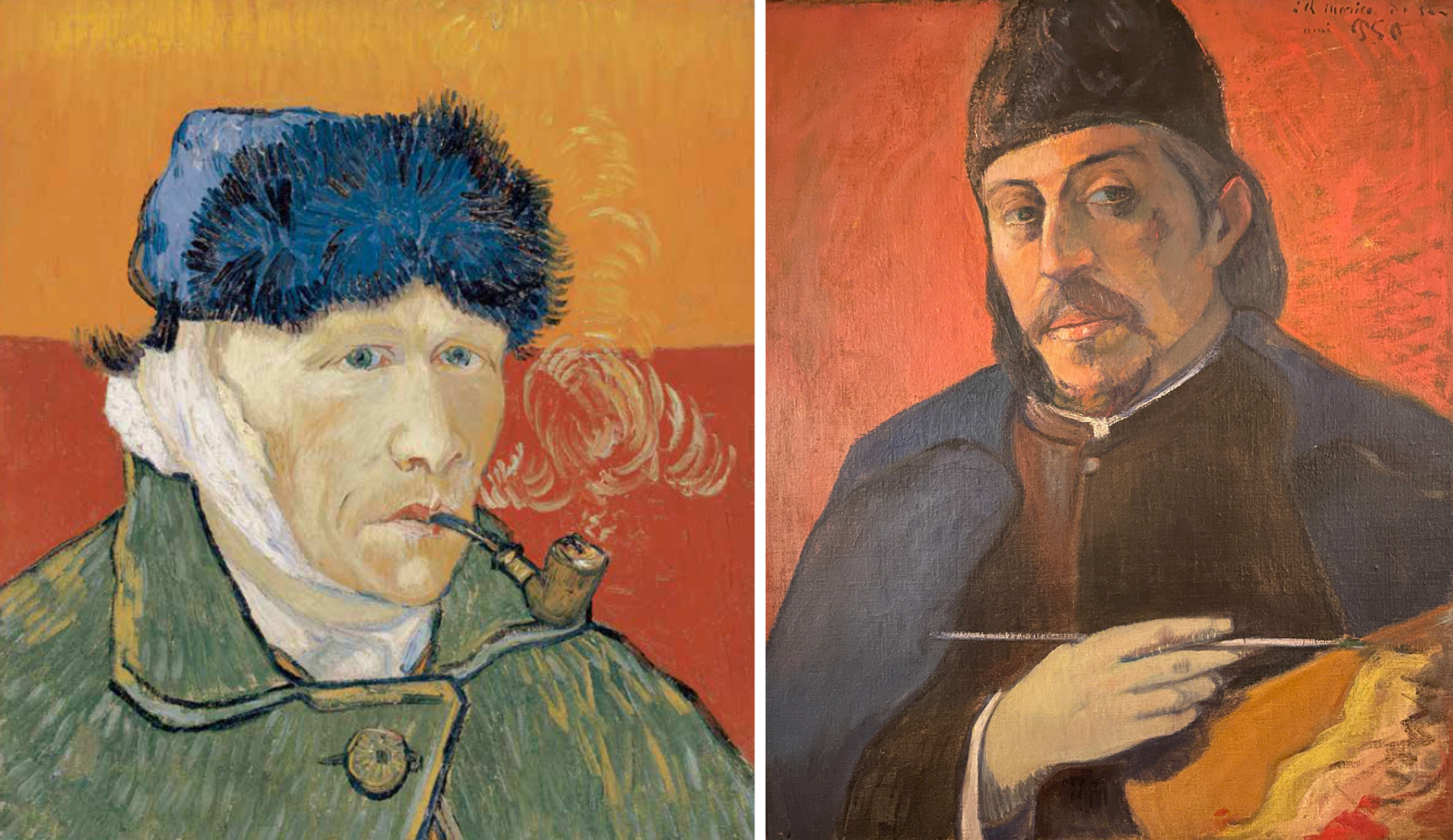
Van Gogh’s Self-Portrait with Bandaged Ear and Pipe (January 1889) and Paul Gauguin’s Self-portrait with a Palette (1898) Van Gogh: Private collection, photo © Peter Schälchli; Gauguin: Private collection, courtesy of Fondation Louis Vuitton
And what will happen to the Van Gogh self-portrait next March, when the Paris exhibition closes? It is now much too valuable to hang on a Niarchos wall, so while it continues to be owned by the family, it will presumably remain in a very secure store. Don’t miss the very unusual opportunity to see the self-portrait at the Fondation Louis Vuitton.
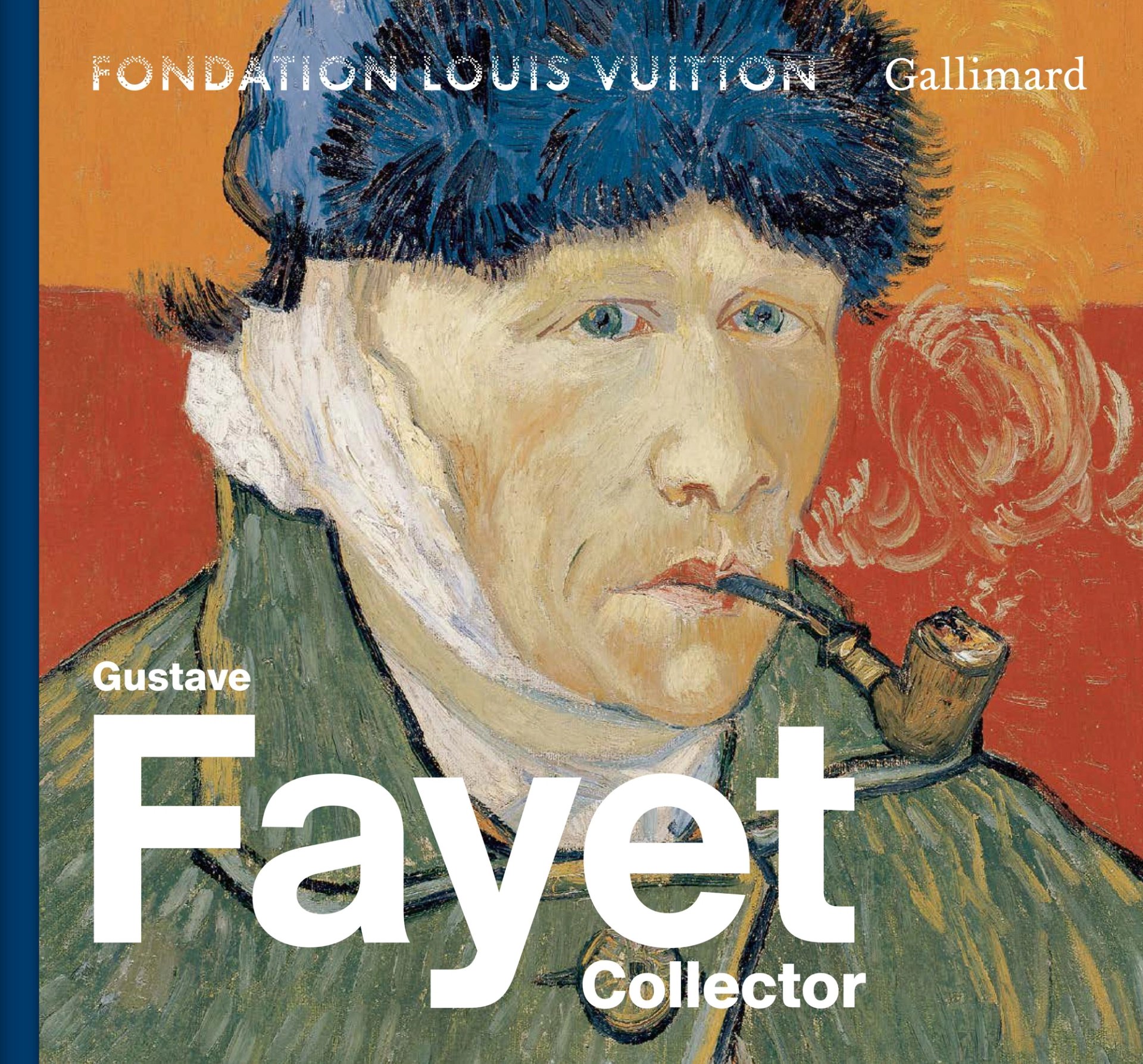
Cover of the Gustave Fayet exhibition catalogue
Fondation Louis Vuitton/Gallimard, Paris