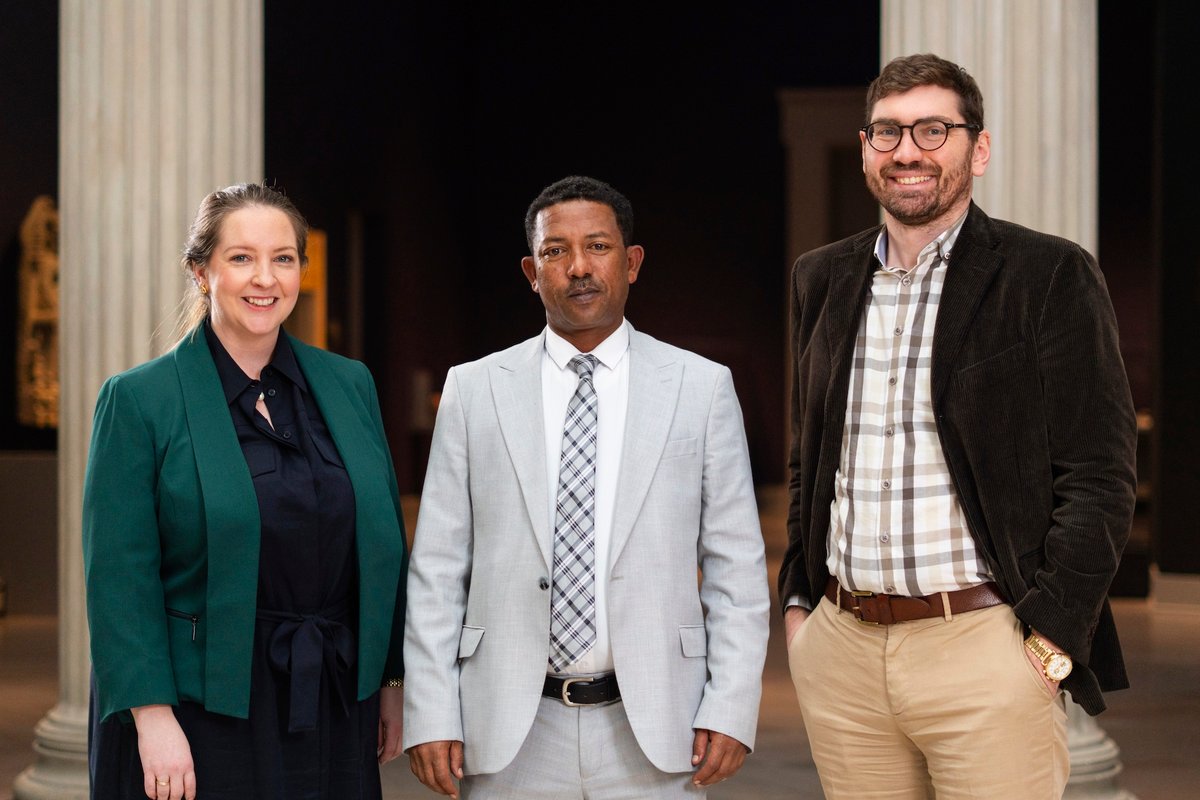
The Toledo Museum of Art (TMA) has formed a new institutional partnership with the Ethiopian Heritage Authority (EHA), which will see five objects from a private collection returned to Ethiopia.
Bob McCarthy, a collector focused on medieval art, approached the TMA about donating some objects so they could be returned to their rightful homes. However, the objects had no provenance documents, so determining their custodians proved complicated. The professional guidelines for such objects are murky. The first piece of legislation on the matter was the Unesco 1970 Convention against “illicit acquisition of cultural properties”. The 30-year review of the resolution in 2000 significantly strengthened its enforcement, but in the gap between 1970 and 2000, the black market for antiquities ballooned. In 2008, the American Alliance of Museums officially adopted the 1970 Convention resolution as an institutional best practice and the conversation around antiquities began to shift toward doing more diligent provenance research.
“It’s left this donut hole where you end up with this retroactive assigning of a best practice,” says Adam M. Levine, the TMA’s director and chief executive. “Literally millions of works of art have been collected in good faith but not the standard between 1970 and 2008, and this is the position Bob McCarthy found himself in.”
The museum’s relationship with McCarthy began during discussions of a reinstallation of its Cloister gallery, which is devoted to medieval art and architecture. Sophie Ong, the TMA’s assistant director of strategic initiatives, is leading that project.
“Because we were doing the groundwork in Ethiopia, we looked for solutions of how to solve this problem of objects that have no evidence of exportation from the country,” Ong says.
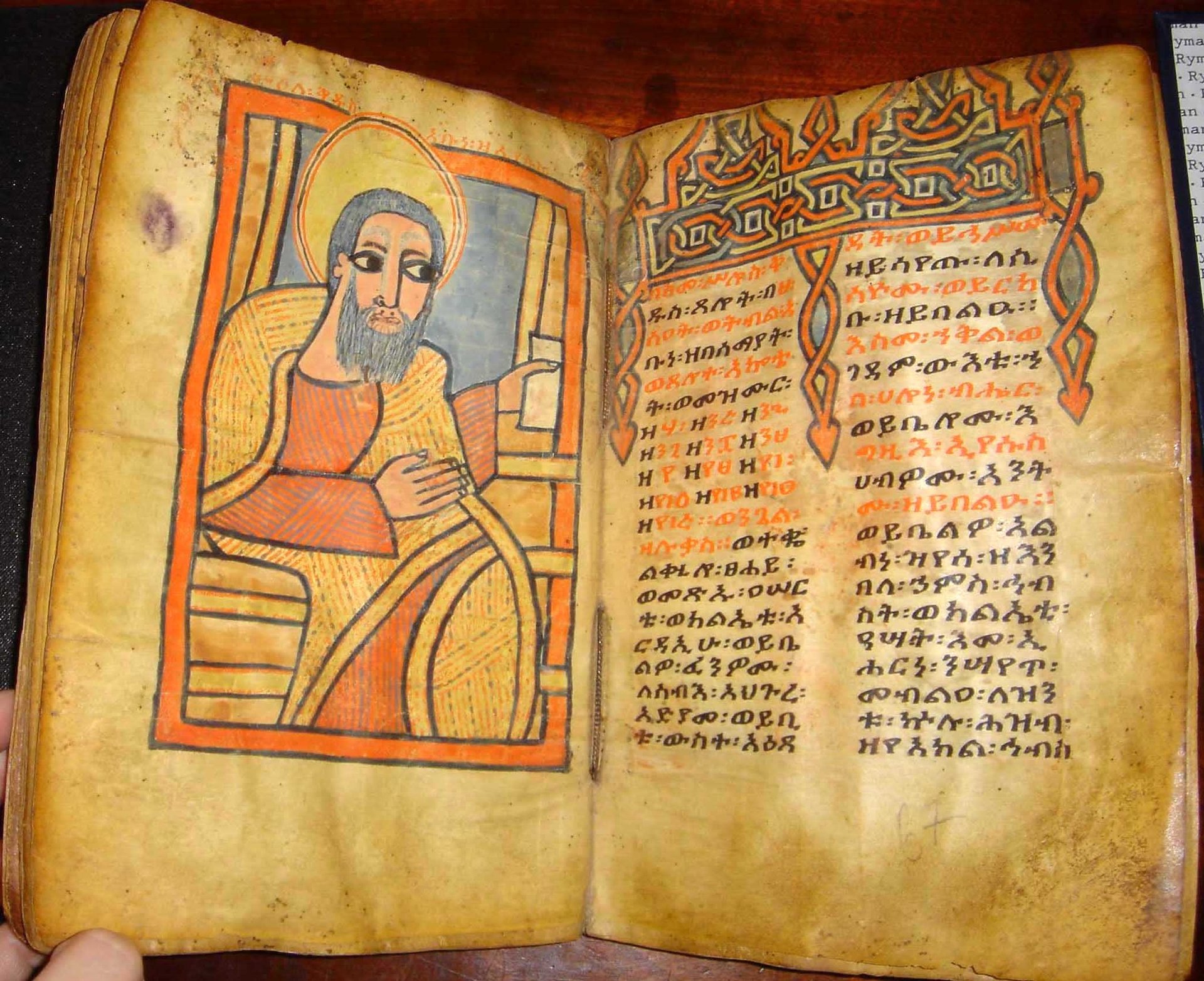
One of the five objects from the collection of Bob McCarthy being repatriated to Ethiopia as part of the new partnership between the Ethiopian Heritage Authority and the Toledo Museum of Art: a 15th-century Book of Revelation with Horologium, which was determined to have been illegally removed from Ethiopia The McCarthy Collection
The Cloister gallery’s reinstallation will be complete next year and will focus on how nations like Ethiopia, Armenia and the Byzantine and Islamic Empires connected through shared religion or ideas. The reinstallation will display objects with documented provenance, but the larger focus of the partnership with the EHA is to research and eventually repatriate objects with no documentation.
“[The museum] has to acquire these objects and engage directly with scholars and museum professionals in Ethiopia, as well as us going to Ethiopia ourselves,” Ong says. “Over the course of acquisition, research, cataloguing, loans and installation displays, new findings will emerge and ownership should then be rightly transferred next to Ethiopia.”
Levine and Ong refer to artefacts like the five from McCarthy that lack provenance as “objects in limbo”, rather than the traditional moniker of “orphaned objects”, as a way of showing them greater respect. What is missing is not their actual origin but the trail of documentation. For objects in this category, there is no direct evidence of illicit activity but no proof of legitimate movements, either.
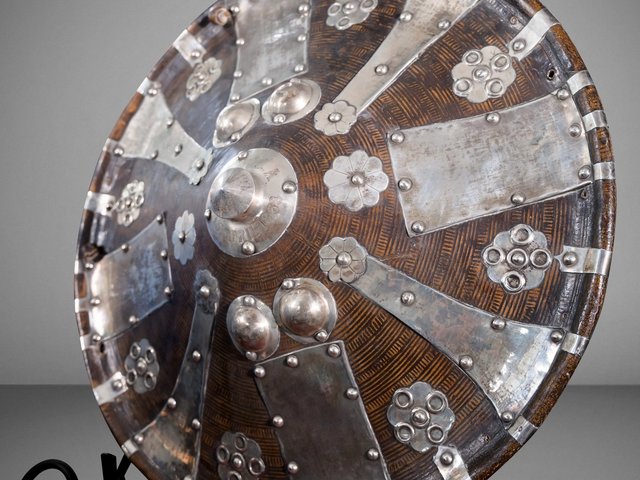
“In the course of our research on provenance, two manuscripts were identified that were known to be in Ethiopia post-1970 that likely were removed from the country,” Ong says. “There are also three crosses, transferred by Bob McCarthy to the Ethiopian Heritage Authority.”
The partnership is not only about finding solutions for individual objects, but also about cultivating a good faith international relationship that can serve as a model for other museums. The agreement is intended to continue for the next 20 years, with the first decade focusing on research, capacity and restitution, and the second on the long-range disposition of each object returned to Ethiopia.
“What we’re trying to do in this partnership is move to a position of stewardship rather than ownership. Ethiopia’s contributions to art history should be shared with the world,” Levine says. “This is an opportunity to engage with real problems we have in the art world. I think one of the things it highlights is a lot can be accomplished when you don’t assume what the other party wants and when you engage them in actual conversation.”