The UK government’s decision to grant regional mayors in England the power to introduce a "tourist tax" (Overnight Visitor Levy, OVL) has been welcomed by some UK cultural leaders who stress that revenue raised should be ring-fenced for arts and culture.
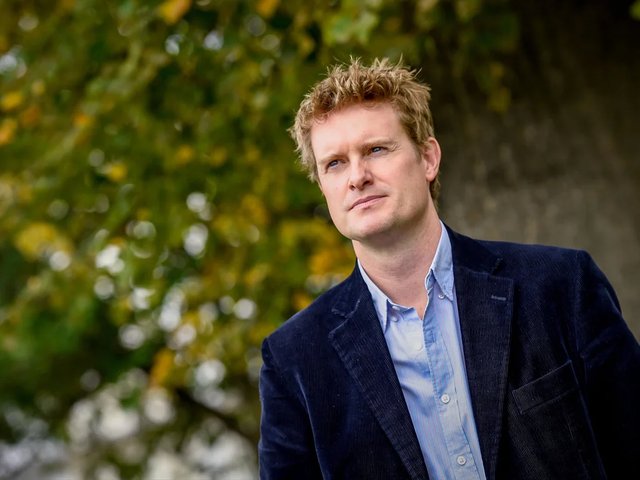
“It is very important that there are guardrails in the legislation to ensure that the funds raised support the visitor economy. In London, I would hope that 50% of [the levy] income sustains free entry to our major cultural institutions,” Tristram Hunt, the director of the Victoria and Albert Museum in London, told The Art Newspaper. The government is currently exploring options around introducing admission charges at national museums in England for overseas visitors.
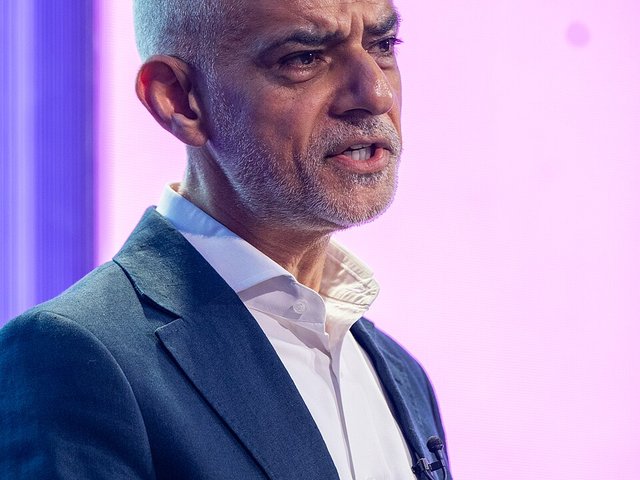
The OVL plan, presented earlier this week by Angela Rayner, the secretary of state for housing, communities and local government, will allow mayors to impose a “tourist tax” without a cap on how much they can charge and with few controls on how they can spend it. The Mayor of London, Sadiq Khan, has said that the capital's OVL tax would not be above 5% of the cost of an overnight stay, although the exact figure is yet to be determined. The money raised “could be invested into high streets, public transport and events to boost tourism,” the UK government website says.
Mayors will be expected to lay out their plans for how they intend to use the new powers in early 2028. According to The Guardian, the new tax was welcomed by regional leaders who said it would give them a vital revenue stream at a time when cash-strapped local governments are facing a funding crisis.
Hunt, who has been campaigning for a tourism levy since 2018, added: “The OVL is a hugely welcome initiative and brings the UK into line with tourism destinations around the world. It offers city mayors and local leaders across the UK a transformative chance to invest in museums, galleries and visitor attractions. The culture sector will now look forward to working with mayors and councils to ensure we can access the resources we need to attract new national and international audiences.”
Alison Cole, the former editor of The Art Newspaper and the director of the Cultural Policy Unit (CPU), says: “The CPU welcomes the announcement and the choice to charge a percentage rate. We would now like to see mayors invest a significant amount in the cultural infrastructure that makes the UK such an outstanding tourist destination.”
Khan said in a statement that he “strongly welcomes” the government giving London the power to introduce the OVL, which needs to “happen sooner rather than later”. He added: “A well-designed, modest levy… would allow us to reinvest in the places, infrastructure, culture and experiences that make London one of the world’s greatest cities to visit, while helping manage the pressures that come with welcoming tens of millions of visitors every year. I will work closely with London’s boroughs, accommodation providers, hospitality and tourism businesses and other partners, before final decisions are taken.”