A moveable feast of shifting geographies spread across dozens of sites in and around Canada’s largest city, this year’s Toronto Biennial of Art (TBA) opened on Saturday (until 20 December). Under the continued direction of founding executive director Patrizia Libralato, this fourth edition was curated by the Detroit-based curator Allison Glenn and is titled Things Fall Apart (inspired both by William Butler Yeats’s 1919 poem “The Second Coming” and Chinua Achebe’s 1958 novel on British colonialism in Nigeria). It is driven by a heady and heavy central question: “What can we learn from artists who explore rupture as an ontological tool or a way of understanding?”
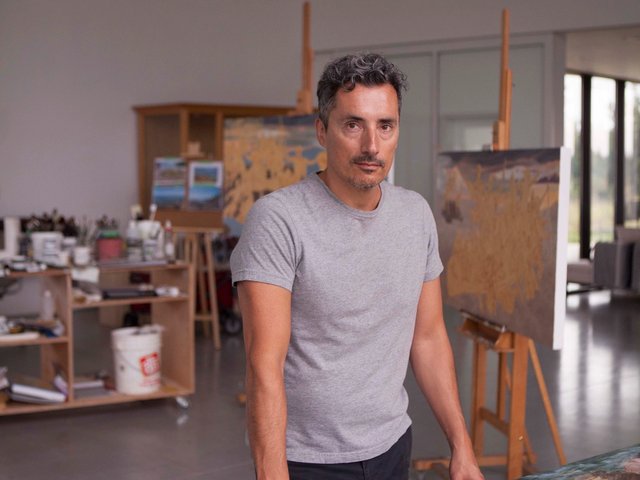
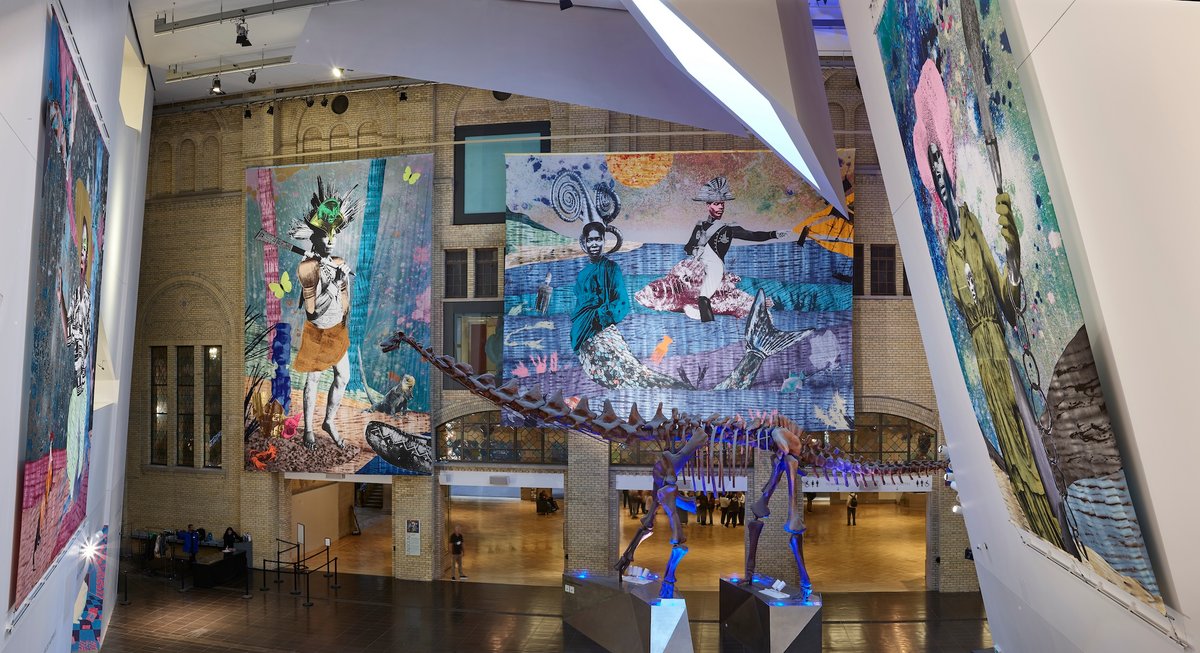
While this question may sound more like the subject of a research paper than an exhibition premise, the cornucopia of installations and happenings offers many possible answers. The 12-week citywide exhibition features works by more than 30 artists and collectives—among them Coco Fusco, Kent Monkman, Nanibah Chacon, Raphaël Barontini, Cameron Harvey, Skawennati and others—including 16 new commissions. It frames the Great Lakes region as a point of departure to explore connections to more than 20 trade routes, waterways and journeys across five continents.
Glenn has “intentionally expanded upon an inquiry into waterways seeded by the 2019 biennial, which looked specifically at Toronto’s geographies, to position the fourth edition as part of a larger organisational conversation and legacy”, she tells The Art Newspaper. “This fourth edition roots itself within the contemporary moment, asking what we can learn from artists who see or use rupture as a generative force, whether theoretically or practically.”
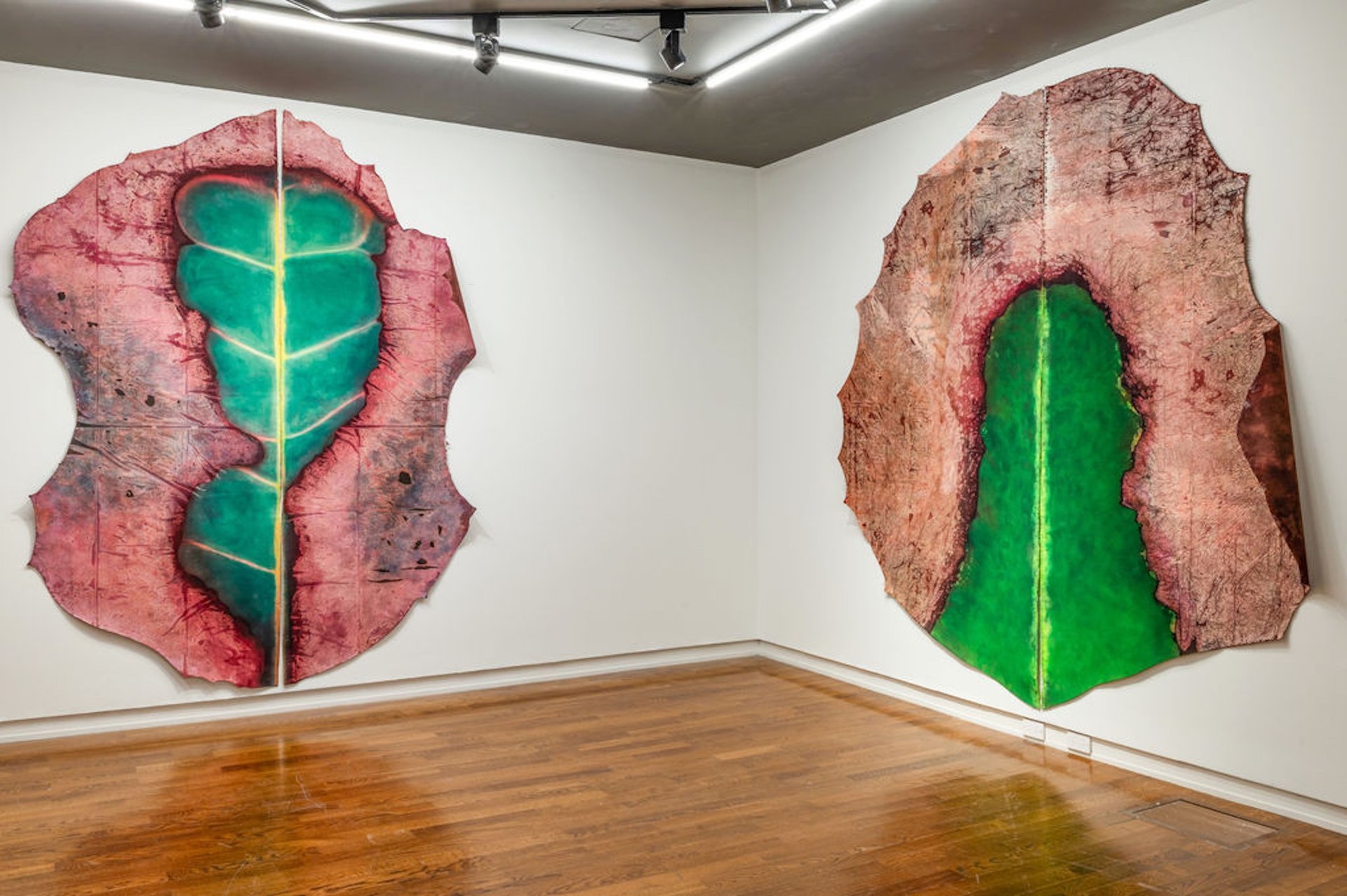
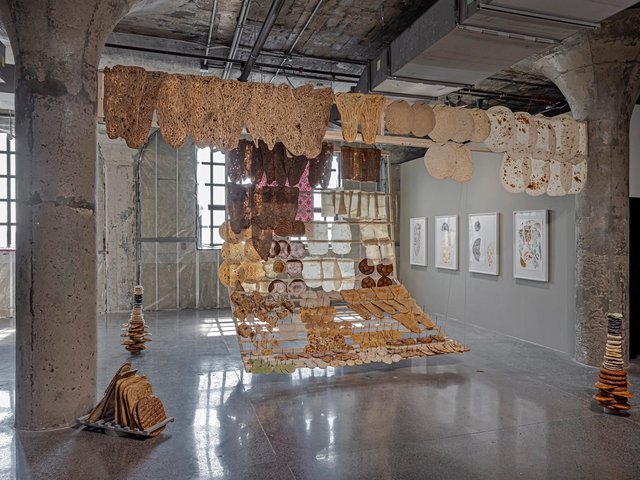
Installation view of Cameron Harvey at the University of Toronto Art Centre as part of the Toronto Biennial of Art, 2026, featuring Ancestor 74 and Ancestor 78 (both 2026), commissioned by the Toronto Biennial of Art and the Anchorage Museum, co-presented with the Art Museum at the University of Toronto Photography: Rebecca Tisdelle-Macias
As if addressing the 7 million people of the Greater Toronto Area, who speak more than 200 different languages, was not enough, Glenn says she is “very excited” to have introduced an initiative dubbed the “Extended Footprint”, through which partner organisations across North America are presenting portions of artists’ TBA commissions simultaneously. Participants in the Extended Footprint initiative include the Anchorage Museum in Alaska, the Counterpublic Triennial in St Louis, Allana Clarke’s “Amend” garden in Detroit, the Medina Triennial in upstate New York and Times Square Arts in Manhattan.
This many-tentacled edition of TBA comprises three parts, Glenn explains: a central exhibition “grounded in methodologies of collectivity, sovereignty, reflection and refusal”; a series of performances and artist-led programming that “invites embodied engagement with these practices”; and a “collaboratively curated gathering in the form of a convening”.
The last is a three-day public gathering (16-18 October) conceived by Glenn as a means to gather “a polyphonic group of knowledge-holders”, including artists, co-curators, Elders, Knowledge Keepers, scientists, farmers, musicians and more. It will be structured around three thematic pillars—arrival by water, grounding and departure—across various Toronto venues and include panels, performances and shared community meals.
One of the biennial’s many promising installations that will be a part of the convening is an installation by the Torontonian interdisciplinary artist Nirbhai (nep) Singh Sidhu at the Sikh Gurdwara in suburban Scarborough. Titled A Deathless Potential In Remembrance By You, it embodies the concept of Jivan Mukti, which is described as “a state of being spiritually liberated while still alive”. The sculpture—made of earth from Gurdwara Sri Fatehgarh Sahib in Punjab, a place dedicated to Safar-e-Shahadat, or the “journey of martyrdom”—expresses a spiritual state accessed through the acts of Simran (a practice of stillness and deep listening), Seva (selfless service) and Sangat (community). It promises to be a place of contemplation away from the fray of the biennial’s cluster of venues downtown.
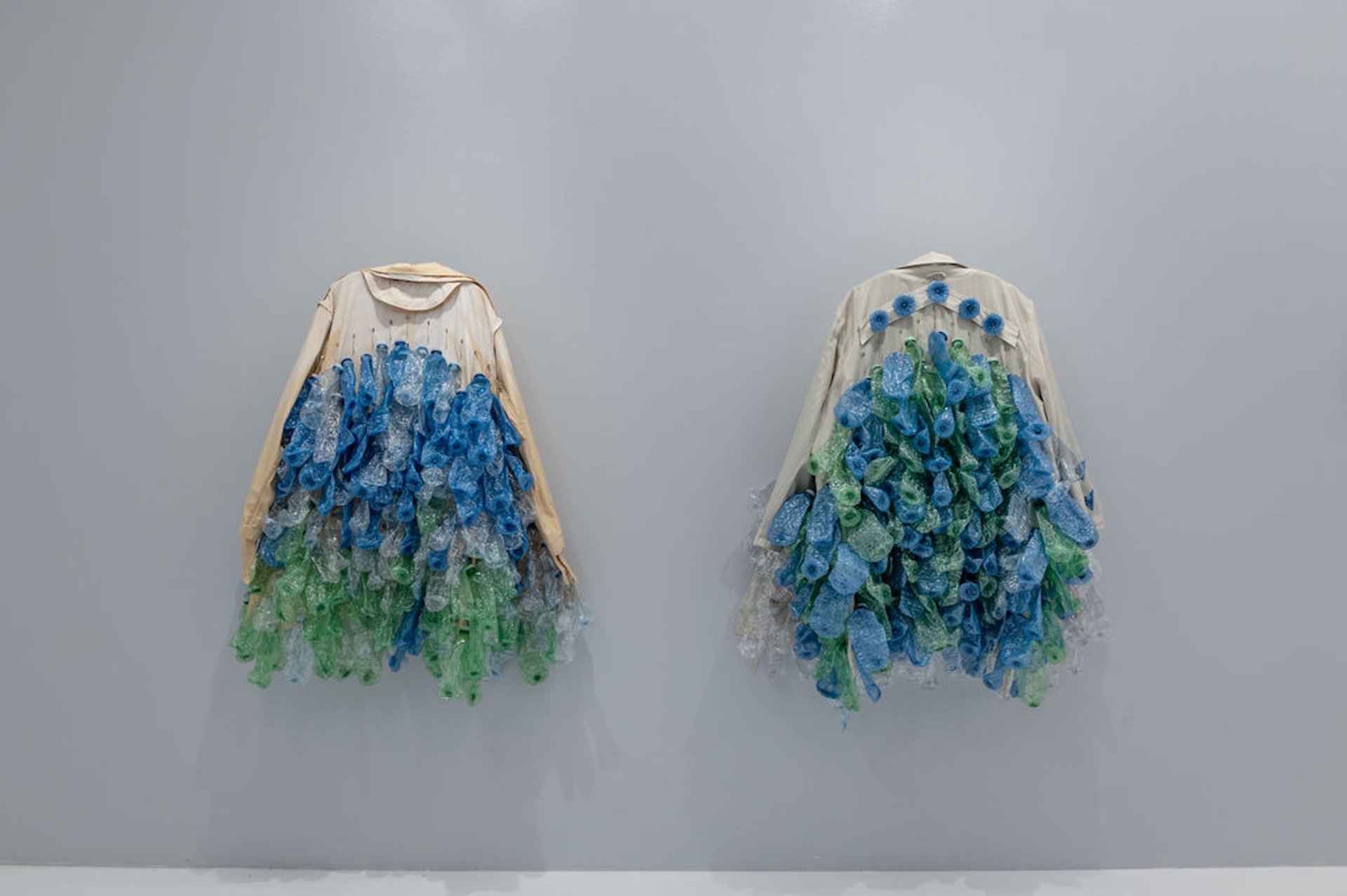
Rebecca Belmore, Gichigami, 2026. On view at the University of Toronto Art Centre as part of the Toronto Biennial of Art, 2026. Commissioned by the Toronto Biennial of Art and co-presented with the Art Museum at the University of Toronto Made possible with the generous support of the Women Leading Initiative and the Canada Council for the Arts. Photography: Rebecca Tisdelle-Macias.
An installation and opening weekend performance by Rebecca Belmore, Gichigami, was commissioned by the biennial. Belmore’s inspiration for the work arrived during a visit with family in Thunder Bay, Ontario, where her daily view was of Lake Superior and a park sheltering an un-housed population. She had a kind of epiphany on a trip to a landfill where she saw a rare golden eagle alight on a pile of trash. The result was an installation that connected to the Nishnaabeg creation story of a flood that left all the animals stranded on water.
“We are in a sea of waste of our own making, and the creation story reminds us that we all need land,” Belmore says. She created seven garments adorned with plastic water bottles that were worn by performers on Saturday during a silent march through Queen’s Park before being installed at the Art Museum of the University of Toronto, where they will remain on view throughout the biennial.
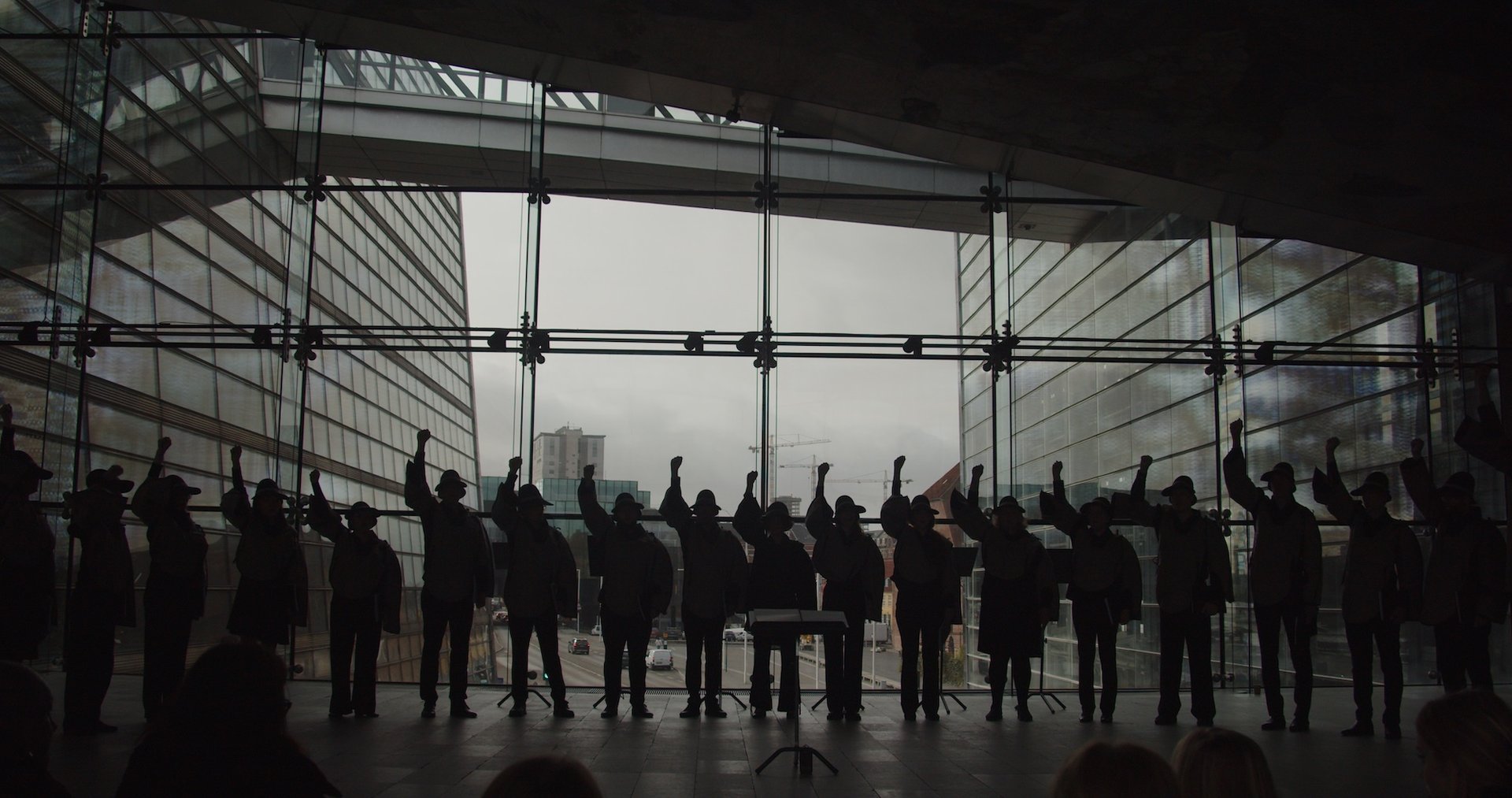
Brendan Fernandes, The Calls, 2023. Live and recorded performance, sonic composition and choreography Courtesy the artist
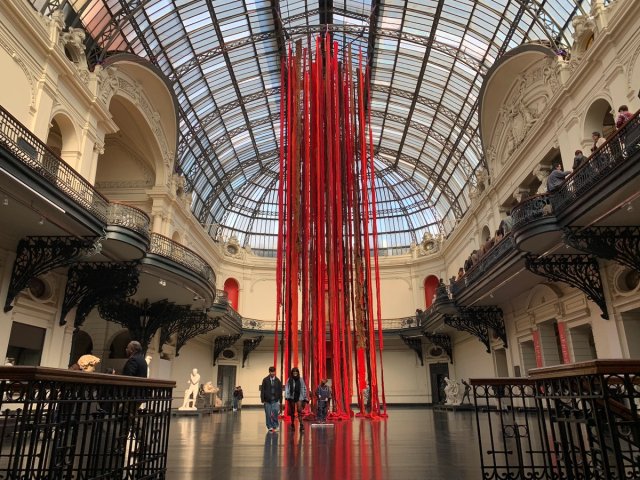
The French Caribbean poet and artist Julien Creuzet channels Aimé Cesaire’s classic négritude text Cahier d’un retour au pay natal with mixed media work embodying oceanic forces in an exhibition at the University of Toronto Art Centre. He explores the Afro-Caribbean figure of the red devil—prominent in Martinique’s carnival culture and referenced in Shrove Tuesday traditions—as a “fluid, androgynous, untamed entity”.
Another opening weekend activation, The Calls by the Kenyan Canadian artist Brendan Fernandes, allowed participants to sail away into Lake Ontario. Comprised of a choir of 18 voices accompanied by two dancers who acted as guides, abstract sounds and vocal sirens collided as the ship moved across the lake. For the artist, the performance “expands upon notions of solidarity while proposing new ways to gather, move and resist in these precarious times”. In other words, a potent encapsulation of the 2026 TBA’s twin focuses on the connective functions of waterways and the creative potential of rupture.
- 2026 Toronto Biennial of Art: Things Fall Apart, until 20 December, various locations, Toronto