The Phoenix Art Museum in Arizona has received a $5m gift from the philanthropist Sukumar Nagendran. The money will be used to expand its Asian art galleries and support acquisitions, scholarly research and public programmes focused on Sri Lankan art.
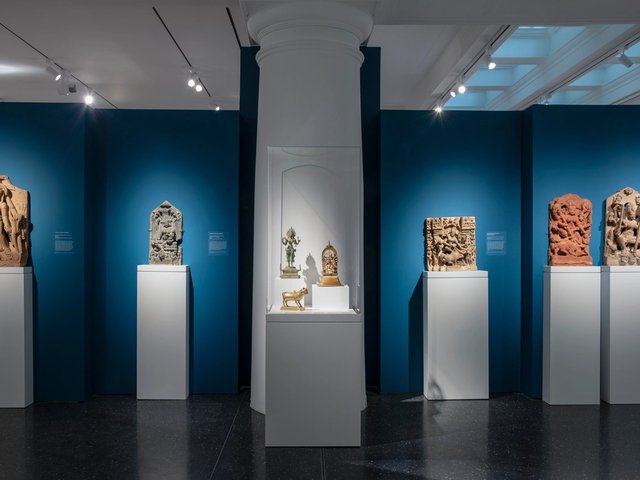
The expansion will increase the footprint of the museum’s Art of Asia galleries from around 6,000 sq. ft to 10,000 sq. ft through the renovation and repurposing of existing space. A new 2,000-sq.-ft Nagendran Gallery for the Art of Sri Lanka and South Asia will honour the donor and his long-standing relationship with the museum. Nagendran hopes the gift will deepen cultural understanding, inspire future generations and help preserve and elevate Sri Lankan art.
More than 4,000 historic and contemporary works in the museum’s more than 21,000-piece collection come from artists who live, work in or are from Asia, making Phoenix Art Museum a foremost institution for Asian art in the US.
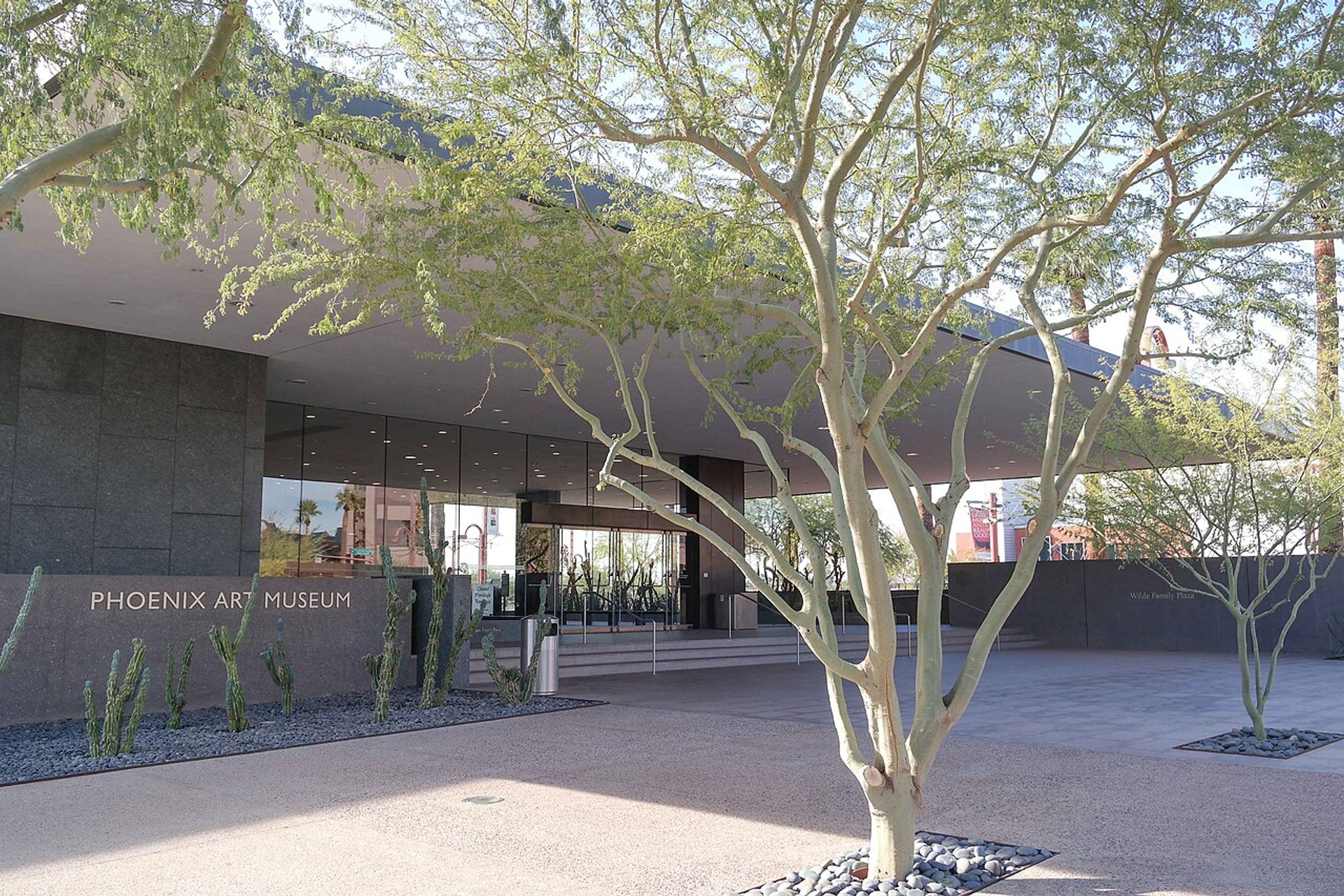
Phoenix Art Museum, Arizona Photo: Visitor7, via Wikimedia Commons
“As one of the fastest-growing and most internationally connected cities in the US, Phoenix and its cultural identity are being redefined by its expanding Asian and Asian American communities,” Jeremy Mikolajczak, the director of the museum, tells The Art Newspaper. “The Nagendran gift marks a critical benchmark for Phoenix’s ascendant cultural capital, as the city emerges as a key centre of scholarship, artistic exchange and cultural stewardship outside the longstanding art capitals of New York and Los Angeles.”
Nagendran is an Arizona-based philanthropist, physician and biotechnology executive who is the president and head of research and development at Taysh Gene Therapies. He has supported several civic projects in Sri Lanka, including the construction of medical facilities and schools.
Nagendran was introduced to the museum a decade ago by the philanthropists Coleene and Barry Fernando. The Fernandos have had a major role in bolstering the museum’s holdings in South Asian art, donating more than 130 works and a collection of several related photographs, in addition to providing significant loans. Their contributions helped realise major exhibitions including The Guardian of the Flame: Art of Sri Lanka in 2003 and Legacy of Ceylon: Art and Photography of Sri Lanka in 2021.

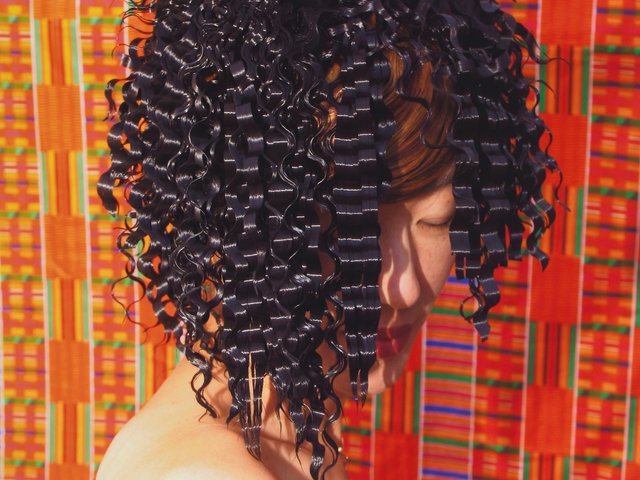
Pala Pothupitiye’s Iranamadu (2025) Photo: Airi Katsuta, courtesy Phoenix Art Museum
In November, the museum will inaugurate the Nagendran Gallery with the exhibition Pala Pothupitiye: Mapping a Sri Lankan Consciousness, curated by Tushara Bindu Gude. Pothupitiye is a Sri Lankan artist who creates work exploring the spaces between castes, the spiritual and secular worlds and ancestral craft and contemporary art. His work also confronts the social and political effects Sri Lanka faced under successive colonial occupations by the Portuguese, Dutch and British between the 16th and mid-20th centuries.
“In a very broad sense, Pothupitiye’s artworks can be said to engage with ways of seeing places and people, self and other—through lenses shaped by global power dynamics, education, affluence and religious, ethnic and linguistic affiliations, among many other things,” Gude says.
The show will pair Pothupitiye’s work—including sculpture, assemblage, painting, mixed-media and modified colonial maps—with historical Sri Lankan art from the museum’s collection. These include illustrated palm-leaf manuscripts, Buddhist sculptures and mid-20th-century photographs by Quintus Fernando (the father of Barry Fernando). The photographs document archaeological sites, Sri Lankan dancers and other aspects of the island’s complex culture. Other works from the Fernando collection will also feature prominently in the exhibition.